




RELATED: 'Partnering' with employees, customers key to advancing transit's safety culture
Caught on Tape: Transit Employees' ‘Heroic Acts’
For transit employees working with the public on a daily basis, no two shifts might be the same and each day can bring an opportunity to make a difference in the lives of the customers we serve. Often, the acts go unnoticed, but for two SEPTA employees, their special acts — both coming within hours of each other — were caught on video.
August 8, 2017
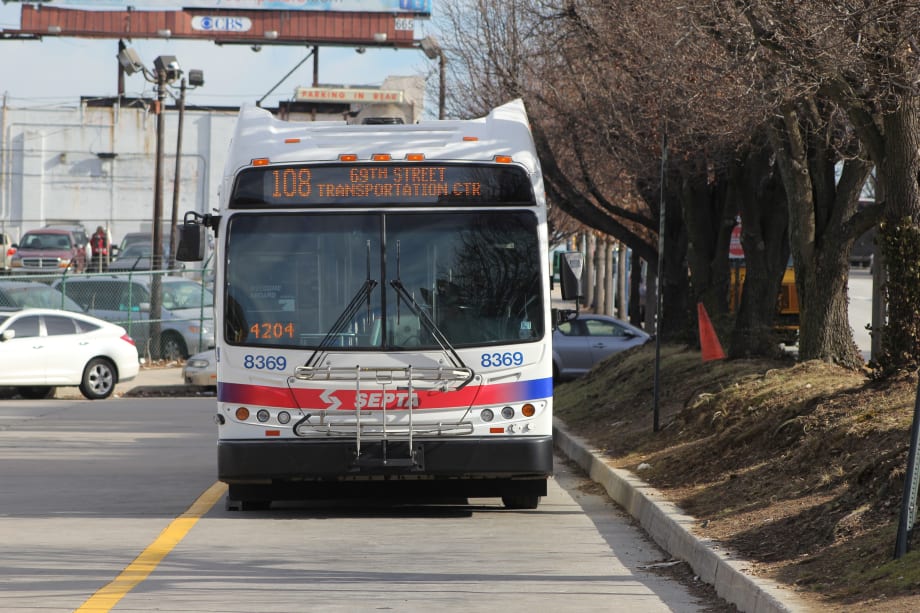
A Southeastern Pennsylvania Transportation Authority bus in service. Photo: SEPTA
2 min to read
A Southeastern Pennsylvania Transportation Authority bus in service. Photo: SEPTA
For transit employees working with the public on a daily basis, no two shifts might be the same and each day can bring an opportunity to make a difference in the lives of the customers we serve. Often, the acts go unnoticed, but for two Southeastern Pennsylvania Transportation Authority (SEPTA) employees, their special acts — both coming within hours of each other — were caught on video.
On June 29, Jeff Schoolfield, a 20-year veteran SEPTA bus operator, was driving the Route 65 along a stretch of Philadelphia’s busy City Avenue. One of his passengers, a visually-impaired man, had difficulty crossing the street after alighting the bus. Schoolfield exited the bus and escorted the man through traffic. One rider, so touched by Schoolfield’s act, captured it all on a cellphone video and sent it to Philadelphia’s Fox affiliate. On a follow-up story with the station, Schoolfield explained, “I expect any driver to do it.”
Early on the morning of June 30, SEPTA Police Sergeant Marc Pasquarella, a seven-year veteran, was on his usual overnight patrol, checking on his officers in the field, when he came upon a motor vehicle accident in Philadelphia’s Northern Liberties neighborhood. When Pasquarella exited his patrol car, he saw an unconscious man behind the wheel of a car that had struck a trash truck, the driver’s legs wedged under the car’s dashboard. The car had also caught fire as a result of the impact. With the help of a Good Samaritan, who had stopped at the accident scene, Pasquarella was able to pull the driver from the car, seconds before it was engulfed in flames.
“I kept slipping on the engine oil, and that’s what really concerned me,” said Pasquarella. “The front of the car is on fire, I’m worried about that catching fire and engulfing me and the passerby.”
The driver was hospitalized with serious injuries. Pasquarella’s heroic act was caught by his patrol car’s dashboard camera and his body worn camera.
“We are proud of the actions of Operator Schoolfield and Sergeant Pasquarella,” said SEPTA GM Jeffrey Knueppel. “They exemplify our employees’ commitment to our customers and our community. The videos show the public what we know transit employees do on a regular basis — go above and beyond the call of duty.”
Heather Redfern is the Public Information Manager for the Southeastern Pennsylvania Transportation Authority.
Subscribe to Our Newsletter
More Blog Posts
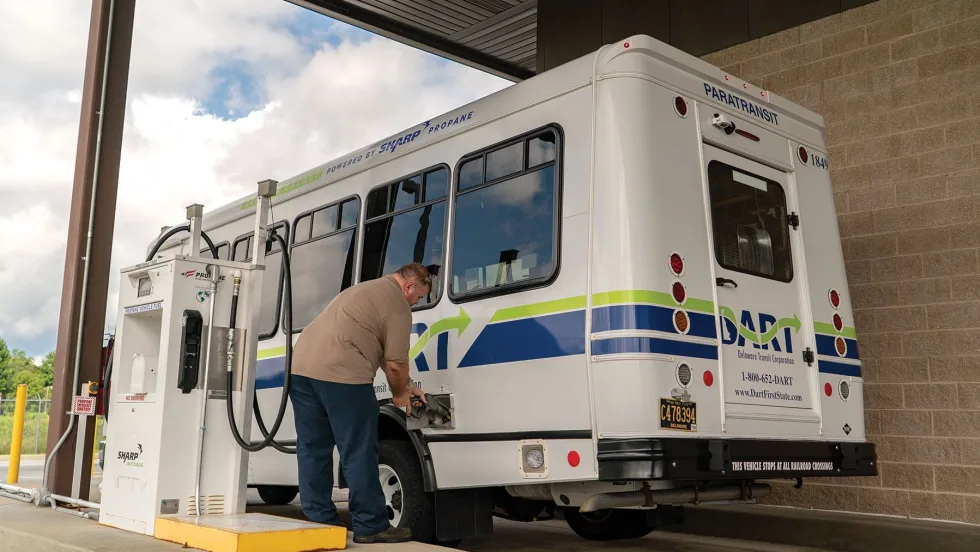
Building a Winning FTA Grant Proposal: Why Propane Autogas is the Pragmatic Choice for Fleet Resilience
With $610 million available through the FY 2026 Buses and Bus Facilities Competitive Program and the Low or No Emission Grant Program, agencies must build a compelling case before the September 21 deadline that balances environmental compliance with operational feasibility.
Read More →
Velo-city Conference 2026: Latest Trends in Cycling as Part of Urban Mobility
The global cycling conference highlighted how cities are integrating bicycles into multimodal transportation networks, expanding cycle tourism and reshaping urban mobility.
Read More →
Kindness Isn’t Soft...It’s Strategic.
Mike Bismeyer — often known as “The Kindness Guy” — has spent more than 17 years in public transit and mobility, serving in industry leadership roles, speaking across North America, and advocating for stronger workplace cultures. But his message doesn’t come from theory. It comes from lived experience.
Read More →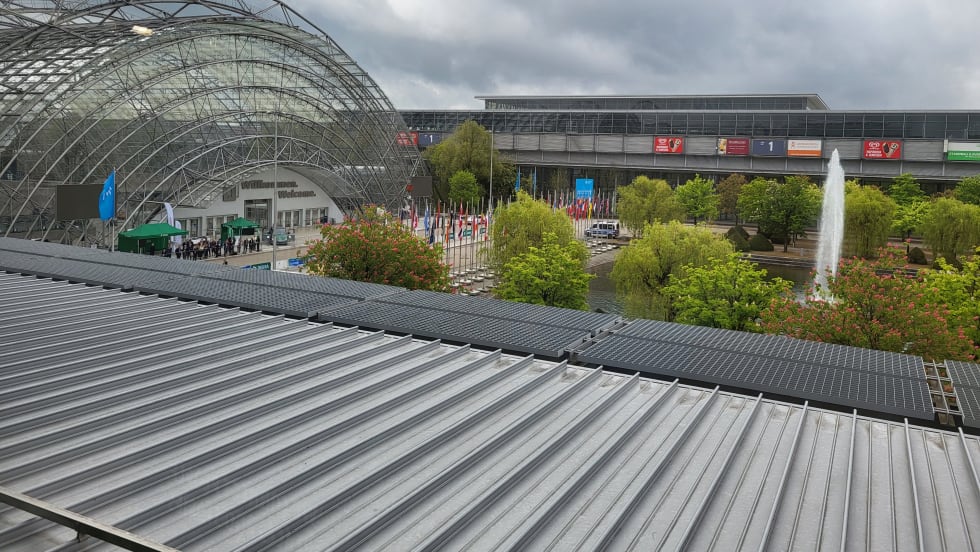
Inside ITF 2026: Transport Reacts to A Challenging World
Transport leaders from around the world gathered in Leipzig, Germany, for the 2026 International Transport Forum to discuss resilience, climate impacts, supply chains and the future of sustainable mobility.
Read More →
Every Ride Tells a Story — But You’re Not Just Selling the Ride
You’re selling the moment, the meaning, and the emotion behind it.
Read More →
How Digital Signage is Reshaping the Traveler Experience at Transportation Hubs
What was once a landscape of static signs has evolved into a responsive, immersive environment powered by real-time visual communication.
Read More →
Latest Trends in Urban Mobility from Polis Conference 2025
Polis comprises cities and regions, as well as corporate partners, from across Europe, promoting the development and implementation of sustainable mobility. This year’s event had over a thousand attendees across various policy forums and an exhibition.
Read More →
Why Transit Leaders Require Better Tools for Operational Clarity In Today’s Tech-Fragmented Environment
Across North America and beyond, transit agency officials are contending with a perfect storm of operational headaches and strategic challenges that hamper daily service and long-term progress.
Read More →
The Powerless Brokers: Why California Can’t Build Transit
It is no secret that transit in the U.S. is slow and expensive to build.
Read More →
Why Transport Sustainability Should Focus on People Instead of Cars
Simply incentivizing electrification is not enough to make a meaningful impact; we must shift our focus toward prioritizing public transportation and infrastructure.
Read More →