



Convincing Customers to Ditch their Cars for Public Transportation
The state of public transportation in the U.S. is painfully subpar when compared to the rest of the developed world. This begs the question: Why can’t we have that here in the U.S.?

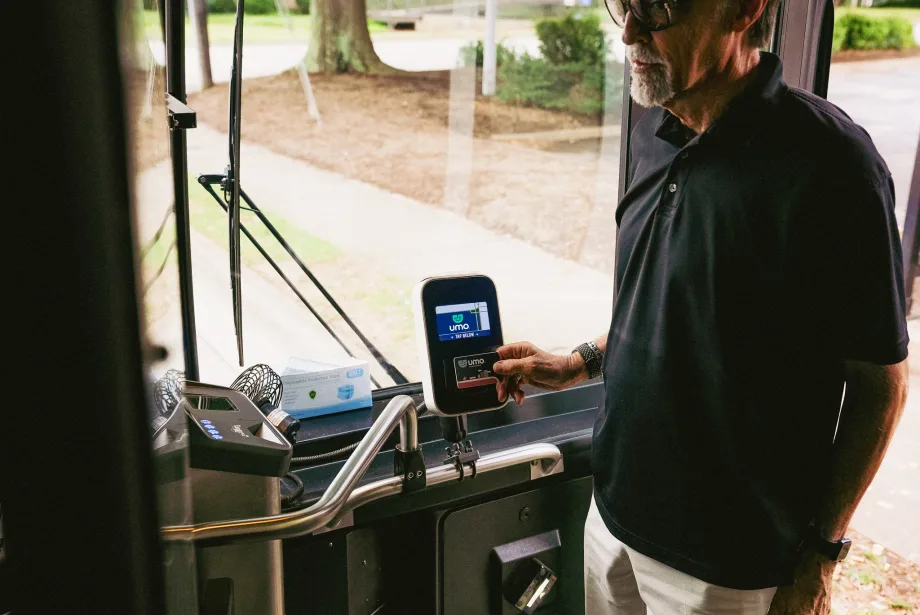
A seamless travel experience can turn public transport into a go-to service for their customers.
Umo Mobility
The state of public transportation in the U.S. is painfully subpar when compared to the rest of the developed world. In Sydney, Australia, for example, people can use their Opal card to ride the ferry around Sydney Harbour or take a trip to the Blue Mountains for less than a gallon of gas.
This begs the question: Why can’t we have that here in the U.S.? To answer that, we must examine what a public transit experience should look like to convince customers to ditch their cars for the bus, train, or ferry.
Stepping into the Customer’s Shoes
Public transit agencies in the U.S. have had to compete against the fundamentally American ideal of owning one’s own car for decades, and now rideshare companies, such as Lyft and Uber, have come in to offer customers the experience of riding in a personal car without having to worry about costly insurance and repairs or finding a parking spot in a busy area.
To win customers over and beat out the automotive industry, public transportation agencies must step into the rider’s shoes. What leads people to choose driving in traffic and paying for parking overriding the subway? What about the rideshare experience convinces commuters to choose that over a much less expensive city bus that covers the same route?
How to win over curious customers
There are several strategies transit agencies should focus on when reaching out to new customers and trying to convert long-time car owners:
1. Take notes from private industry
Uber and Lyft have revolutionized how people can travel in large cities. Agencies need to learn from how they succeeded as well as what customers like about the rideshare experience and implement what they can to public transportation.
A major appeal is the ability for the rider to download an app and see where the car is, when it will arrive, and how long the trip will take. They also offer various riding options at different price points.
Transit agencies are well within their ability to offer greater precision and flexible riding options depending on the rider’s priorities whether it be the fastest trip, the lowest fare, or the most environmentally friendly.
2. Use incentives to create loyalty
Public transit is a cornerstone of most cities and towns, so it only makes sense to put more effort into weaving public transit agencies further into the community. They can inject much-needed boosts to local economies by partnering with small businesses.
Such partnerships could mean riding incentives such as free drinks at a local coffee shop along their route in exchange for choosing public transit. This becomes a win for all parties involved; travelers are rewarded for their loyalty, and businesses get the chance to reach many more customers.
3. Keep it simple
The companies with the greatest impact in the last decade have been the ones that made life a lot easier for their customers. Google brought all the knowledge in the world to our fingertips, and Amazon became a one-stop shopping experience with every product under the sun.
Public transportation agencies have the power to bring the customer this kind of simplicity, as well by consolidating all modes of transportation into a single account for travelers to explore and get to wherever life takes them. A seamless travel experience can turn public transport into a go-to service for their customers.
Mobility can have a bright future in the U.S., if transit agencies put the customer at the center of their work and create a service that makes riders excited to leave their car at home and try something new.
More Blog Posts
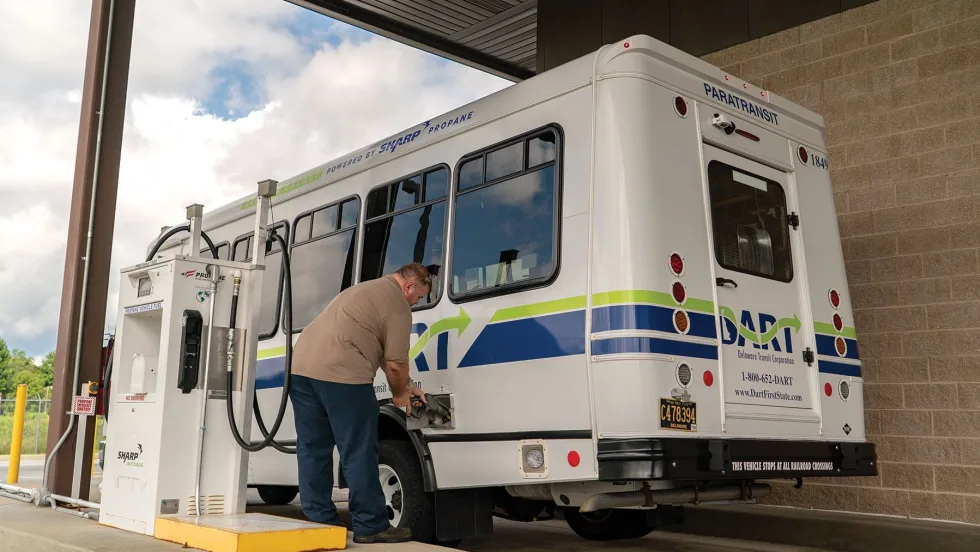
Building a Winning FTA Grant Proposal: Why Propane Autogas is the Pragmatic Choice for Fleet Resilience
With $610 million available through the FY 2026 Buses and Bus Facilities Competitive Program and the Low or No Emission Grant Program, agencies must build a compelling case before the September 21 deadline that balances environmental compliance with operational feasibility.
Read More →
Velo-city Conference 2026: Latest Trends in Cycling as Part of Urban Mobility
The global cycling conference highlighted how cities are integrating bicycles into multimodal transportation networks, expanding cycle tourism and reshaping urban mobility.
Read More →
Kindness Isn’t Soft...It’s Strategic.
Mike Bismeyer — often known as “The Kindness Guy” — has spent more than 17 years in public transit and mobility, serving in industry leadership roles, speaking across North America, and advocating for stronger workplace cultures. But his message doesn’t come from theory. It comes from lived experience.
Read More →
Inside ITF 2026: Transport Reacts to A Challenging World
Transport leaders from around the world gathered in Leipzig, Germany, for the 2026 International Transport Forum to discuss resilience, climate impacts, supply chains and the future of sustainable mobility.
Read More →
Every Ride Tells a Story — But You’re Not Just Selling the Ride
You’re selling the moment, the meaning, and the emotion behind it.
Read More →
How Digital Signage is Reshaping the Traveler Experience at Transportation Hubs
What was once a landscape of static signs has evolved into a responsive, immersive environment powered by real-time visual communication.
Read More →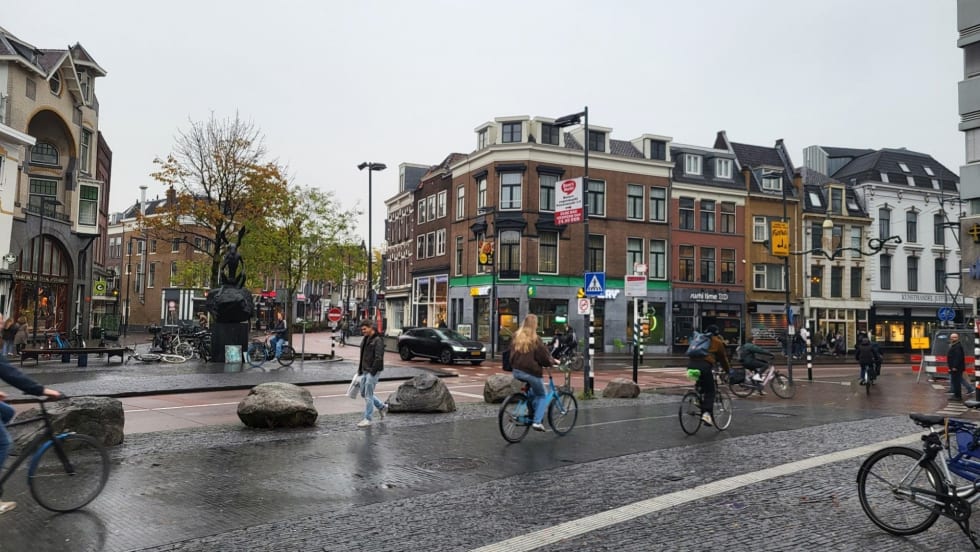
Latest Trends in Urban Mobility from Polis Conference 2025
Polis comprises cities and regions, as well as corporate partners, from across Europe, promoting the development and implementation of sustainable mobility. This year’s event had over a thousand attendees across various policy forums and an exhibition.
Read More →
Why Transit Leaders Require Better Tools for Operational Clarity In Today’s Tech-Fragmented Environment
Across North America and beyond, transit agency officials are contending with a perfect storm of operational headaches and strategic challenges that hamper daily service and long-term progress.
Read More →
The Powerless Brokers: Why California Can’t Build Transit
It is no secret that transit in the U.S. is slow and expensive to build.
Read More →
Why Transport Sustainability Should Focus on People Instead of Cars
Simply incentivizing electrification is not enough to make a meaningful impact; we must shift our focus toward prioritizing public transportation and infrastructure.
Read More →