Execution Over Strategy: The Entrepreneurial Game-Changer in A Fast-Paced World
While it's correct that "culture eats strategy for breakfast," in the entrepreneurial realm, this isn't about undermining strategy. It’s about elevating the importance of a vibrant, execution-driven culture.
Sure, strategic planning plays a role, but it’s the consistent and effective execution of these plans that truly drives progress.
Photo: AnnaTarazevich
3 min to read
While it's correct that "culture eats strategy for breakfast," in the entrepreneurial realm, this isn't about undermining strategy. It’s about elevating the importance of a vibrant, execution-driven culture.
So, while it's this culture that truly moves the needle in business, what does this mean in the real world?
Ad Loading...
The Unspoken Truth of Entrepreneurship
The allure of a well-crafted strategy is undeniable. It's structured, promising, and intellectually satisfying.
However, as an entrepreneur in the charter bus industry, I've learned execution is where ideas transform into results. While it's easy to create plans, the real challenge lies in their execution. It's like having a roadmap without a vehicle. You know where you want to go, but you're not moving anywhere.
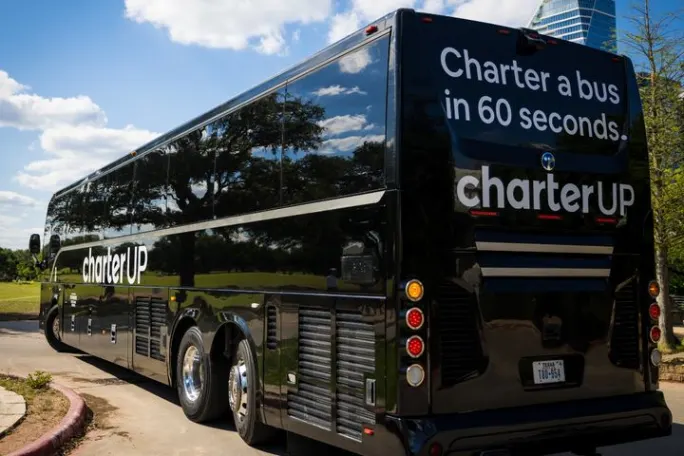
CharterUP was first founded to simplify the booking process for charter buses.
Photo: CharterUP
Where the Rubber Meets the Road
My journey in business, filled with its own set of trials and triumphs, has taught me the real magic happens in the trenches of execution. It’s about taking those plans and putting them into action, rolling up your sleeves, and diving into the nitty-gritty of making things happen.
Sure, strategic planning plays a role, but it’s the consistent and effective execution of these plans that truly drives progress.
5 Tips to Prioritize Execution Over Strategy
Start Small and Scale Up: Tackle achievable tasks first. This approach builds momentum and confidence, creating a snowball effect. As these small wins accumulate, they pave the way for bigger achievements. CharterUP was first founded to simplify the booking process for charter buses. This small yet significant step laid the foundation for what would become a comprehensive platform, revolutionizing the charter bus industry.
Ad Loading...
Action-Oriented Team Meetings: Transform meetings from planning sessions into action huddles. Encourage discussions that center on “What’s the next step?” rather than getting lost in theoretical deliberations.
Resourcefulness is King: In the world of startups and fast-paced businesses, resourcefulness is invaluable. Using available resources creatively often leads to the most innovative and effective solutions.
Embrace Imperfection: The pursuit of the perfect plan can lead to paralysis. Instead, take action with what you have, learn from real-world feedback and iterate.
Relentless Daily Execution: True value is forged through unwavering daily execution, year after year. It's this steadfast commitment to daily action that turns ambitious visions into tangible realities. Emphasizing consistency and resilience, we build a legacy of success — one day at a time.
The allure of a well-crafted strategy is undeniable. It's structured, promising, and intellectually satisfying.
Photo: fauxels
Subtlety is Key
In today's fast-moving business landscape, the most successful companies are those that adapt quickly and execute effectively. It’s not always about having the loudest strategies but about the quiet, consistent hum of progress.
Ad Loading...
From my observations and experiences, companies make incredible strides by focusing on doing, one step at a time. It's the subtle yet consistent focus on execution that leads to the most significant breakthroughs.
While strategy sets the direction, execution propels a business forward. The subtle interplay between planning and doing is where the true essence of entrepreneurship lies.
By fostering a culture that values execution as much as strategy, businesses can navigate the uncertainties of the market and emerge stronger, more agile, and more successful.
With $610 million available through the FY 2026 Buses and Bus Facilities Competitive Program and the Low or No Emission Grant Program, agencies must build a compelling case before the September 21 deadline that balances environmental compliance with operational feasibility.
The global cycling conference highlighted how cities are integrating bicycles into multimodal transportation networks, expanding cycle tourism and reshaping urban mobility.
Mike Bismeyer — often known as “The Kindness Guy” — has spent more than 17 years in public transit and mobility, serving in industry leadership roles, speaking across North America, and advocating for stronger workplace cultures. But his message doesn’t come from theory. It comes from lived experience.
Transport leaders from around the world gathered in Leipzig, Germany, for the 2026 International Transport Forum to discuss resilience, climate impacts, supply chains and the future of sustainable mobility.
Polis comprises cities and regions, as well as corporate partners, from across Europe, promoting the development and implementation of sustainable mobility. This year’s event had over a thousand attendees across various policy forums and an exhibition.
Across North America and beyond, transit agency officials are contending with a perfect storm of operational headaches and strategic challenges that hamper daily service and long-term progress.
Simply incentivizing electrification is not enough to make a meaningful impact; we must shift our focus toward prioritizing public transportation and infrastructure.