



Fare Capping Is Ushering in the Future of Commuting
As public transportation modernizes and work schedules become more flexible, operators need to keep pace and offer riders options for their daily commutes.

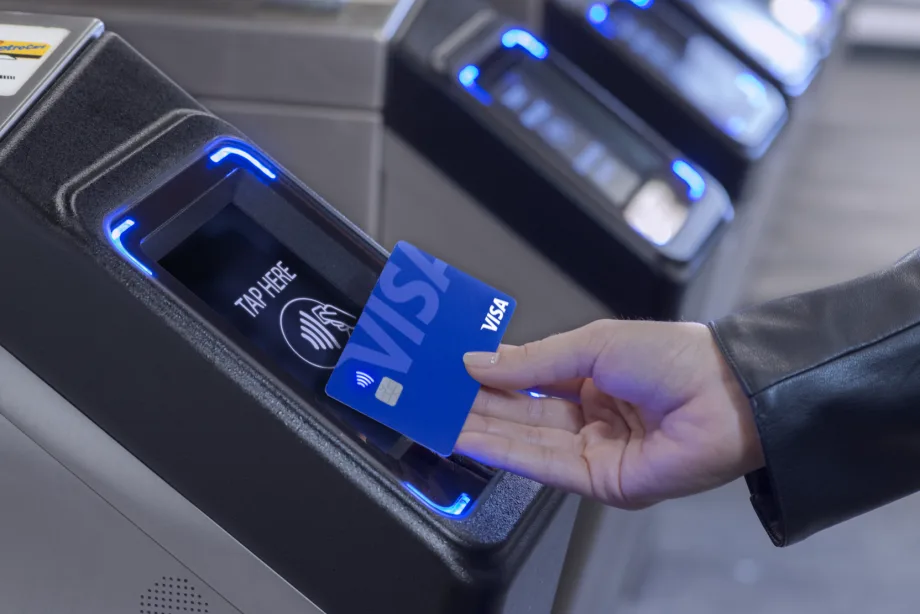
Riders don’t need to tie up funds on a transit card in anticipation of their commutes and they don’t need to consider how often they will be riding to get the most value from a pass.
Visa
How we get to work has changed over the last few years. In the U.S., the Biden Administration has allocated over $400 million to more than 70 transit projects. As public transportation modernizes and work schedules become more flexible, operators need to keep pace and offer riders options for their daily commutes.
One such option is fare capping — a component of a transit agency’s fare policy that allows commuters free rides once they pay a set number of fares over a given amount of time — for example, New York’s Metropolitan Transportation Authority (MTA) stops charging riders once they hit 12 fares in a given week. When a transit agency offers fare capping, in addition to allowing customers to pay as they go with their own contactless card or smart device (also called open loop payments), the benefits multiply. Riders don’t need to tie up funds on a transit card in anticipation of their commutes and they don’t need to consider how often they will be riding to get the most value from a pass. Instead, they can use their existing contactless credit, debit or prepaid card, or payment-enabled device to pay for rides directly and be guaranteed the best price for those rides. The frictionless payment method is gaining favor among transit operators and riders and is an essential feature for cities looking to build a more adaptable and equitable transit system.
A few reasons why:
It’s better suited for increasingly mixed workforce needs. Transit operators must consider the needs of various types of commuters: those who have shifted to hybrid working and have irregular commute schedules, those who are transitioning back to consistent commutes, and essential workers whose commutes never drastically changed.
Fare capping offers every customer the most flexibility and value. If a rider needs to commute daily one week, fare capping means they won’t spend more than they would have with a weekly pass. Conversely, there’s no missed value on lighter travel weeks.
It brings a more equitable riding experience. Fare capping in an open loop payment system can help get everyone to their destinations without undue financial stress and relieves customers from having to commit a substantial sum upfront for a transit-specific pass. When customers use an open loop payment option, it means their funds are available for other daily essentials in addition to transit.
We have already seen success stories as agencies nationwide offer contactless payments options with fare capping. As of 2021, agencies that have launched fare capping include Monterey-Salinas Transit, Portland’s TriMet, Miami-Dade Transit, Sacramento Regional Transit District, Dallas Area Rapid Transit and New York's MTA, whose popular weekly fare capping pilot saved commuters more than $1 million dollars in its first month.
Fare capping reduces complexity and helps keep transit on track. While rush hour may not look the same as it did in 2019, transit operators still need to minimize friction in their ticketing and payment systems. Beyond the passenger experience factor, agencies need to ensure they’re keeping buses and trains moving efficiently and on time.
Capping fares on open loop results in riders and transit operators no longer needing to worry about the what — What are they using to pay their fare? What balance they have on their closed loop card? — nor the how — how often this week will they be riding? Further, transit operators can increase efficiencies of their overall sales and ticketing channels, including reduced cash handling, since riders can pay for fares with their own existing card or device.
A More Flexible Future for Transit
As the demand for flexibility permeates every aspect of daily life, transit operators need to keep up. Open loop payments with fare capping fits right into the wave of flexible contactless technologies already emerging across public transportation. Making open loop with fare capping a key part of transit payment systems isn’t just a matter of efficiency, convenience, or savings, it’s also about supporting the passengers who need it the most. Fare capping gives the customer the power to choose how and when to pay for and access rides.
More Blog Posts
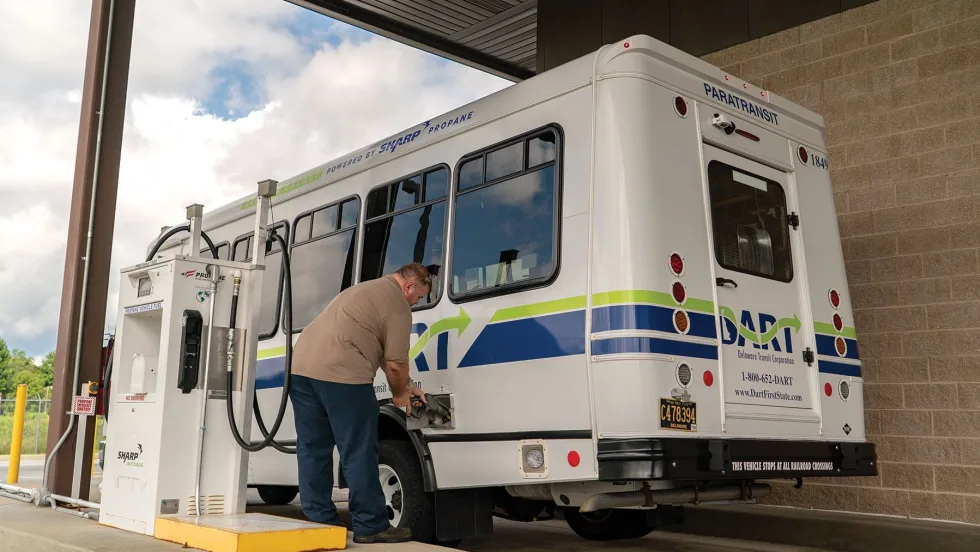
Building a Winning FTA Grant Proposal: Why Propane Autogas is the Pragmatic Choice for Fleet Resilience
With $610 million available through the FY 2026 Buses and Bus Facilities Competitive Program and the Low or No Emission Grant Program, agencies must build a compelling case before the September 21 deadline that balances environmental compliance with operational feasibility.
Read More →
Velo-city Conference 2026: Latest Trends in Cycling as Part of Urban Mobility
The global cycling conference highlighted how cities are integrating bicycles into multimodal transportation networks, expanding cycle tourism and reshaping urban mobility.
Read More →
Kindness Isn’t Soft...It’s Strategic.
Mike Bismeyer — often known as “The Kindness Guy” — has spent more than 17 years in public transit and mobility, serving in industry leadership roles, speaking across North America, and advocating for stronger workplace cultures. But his message doesn’t come from theory. It comes from lived experience.
Read More →
Inside ITF 2026: Transport Reacts to A Challenging World
Transport leaders from around the world gathered in Leipzig, Germany, for the 2026 International Transport Forum to discuss resilience, climate impacts, supply chains and the future of sustainable mobility.
Read More →
Every Ride Tells a Story — But You’re Not Just Selling the Ride
You’re selling the moment, the meaning, and the emotion behind it.
Read More →
How Digital Signage is Reshaping the Traveler Experience at Transportation Hubs
What was once a landscape of static signs has evolved into a responsive, immersive environment powered by real-time visual communication.
Read More →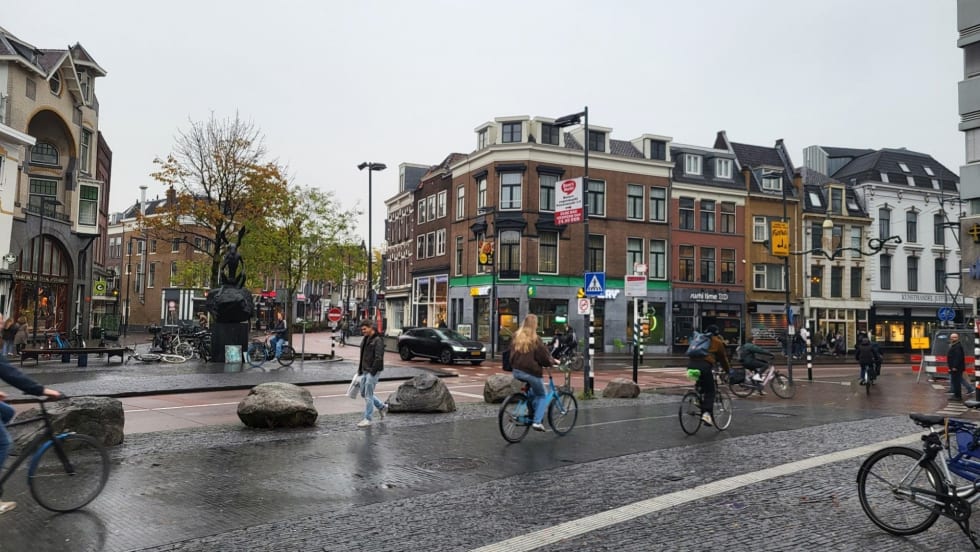
Latest Trends in Urban Mobility from Polis Conference 2025
Polis comprises cities and regions, as well as corporate partners, from across Europe, promoting the development and implementation of sustainable mobility. This year’s event had over a thousand attendees across various policy forums and an exhibition.
Read More →
Why Transit Leaders Require Better Tools for Operational Clarity In Today’s Tech-Fragmented Environment
Across North America and beyond, transit agency officials are contending with a perfect storm of operational headaches and strategic challenges that hamper daily service and long-term progress.
Read More →
The Powerless Brokers: Why California Can’t Build Transit
It is no secret that transit in the U.S. is slow and expensive to build.
Read More →
Why Transport Sustainability Should Focus on People Instead of Cars
Simply incentivizing electrification is not enough to make a meaningful impact; we must shift our focus toward prioritizing public transportation and infrastructure.
Read More →