



Federal Authorities Now Launching Programs to Promote P3s
Someone asked me recently if public-private partnerships (P3s) are just a fad or a delivery method that will ultimately be the country’s future. There’s no doubt about the answer. Public-private partnerships are here to stay.

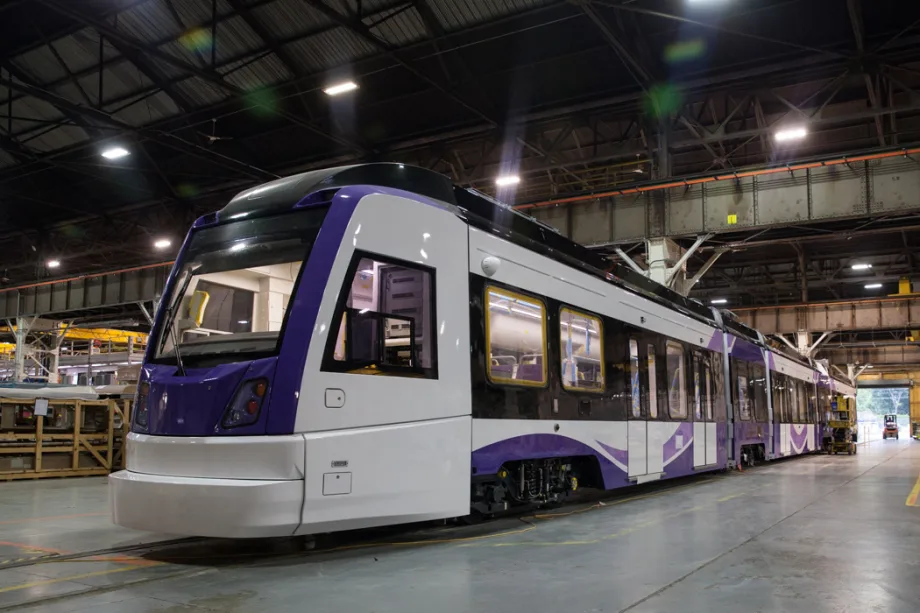
The Bureau’s stable of financing instruments includes low-interest rates, flexible amortization, and no pre-payment penalties.
Maryland Dept. of Transportation
Someone asked me recently if public-private partnerships (P3s) are just a fad or a delivery method that will ultimately be the country’s future. There’s no doubt about the answer. Public-private partnerships are here to stay. The federal government, realizing public funding alone cannot cover critical infrastructure needs, continues to provide funding incentives, tax credits, planning assistance, and expertise to projects that are collaborative initiatives involving both public and private-sector funding.
Infrastructure, of course, covers more than transportation but roadways, bridges, ports, and airports are a major focus of Congress. A quick look at how funding is being structured and how much assistance is now provided to attract private-sector funding to infrastructure projects is solid evidence the federal government has embraced alternative funding delivery models.
The U.S. Department of Transportation (USDOT) recently added millions of additional funding to a program designed to help public officials launch large P3 projects. Expertise, planning, funding, and various types of assistance are available now through the agency’s Build America Bureau.
Last year alone, the Bureau issued $11.3 billion in loans to 25 different projects in the U.S. But the newest initiative — the Regional Infrastructure Accelerator (RIA) program — offers more assistance than ever for P3 initiatives. Located in several regions, the accelerators are encouraging private sector investment and also providing guidance on everything required for successful public-private partnership initiatives. The accelerators are offering resources of all types to involve public officials, private-sector partners, and intergovernmental associations in infrastructure projects.
Regional planning organizations in Chicago, Seattle, Cleveland, Fresno, and San Diego were designated as the five inaugural accelerators. In less than a year, these initial RIAs have already galvanized progress on some of the largest, most widely ranging projects in the country.
Additional Funding Opportunities
The Bureau’s stable of financing instruments includes low-interest rates, flexible amortization, and no pre-payment penalties. Since its creation, the Bureau has used $36.6 billion to attract other sources of capital. Now, more than $130 billion has been invested in infrastructure projects.
One of the Bureau’s most dynamic financing instruments is the Transportation Infrastructure Finance and Innovation Act (TIFIA) credit program. Currently, a TIFIA low-interest loan of $1.76 billion for a P3 in Maryland is funding one-third of the costs (capped at just under $6 billion) associated with the Purple Line Light Rail project. California’s State Transportation Agency (Caltrans) will use TIFIA funding for improvements at state ports.
Other upcoming projects will also use TIFIA funding, and many of the projects will go through the new regional accelerators. One upcoming project at the Port of Oakland, an electrification project, will use TIFIA funding to attract private investors to the $218 million project. A railway project at the Port of Long Beach will be delivered in the same way. The port will use a mix of public and private sector funding for construction of on-dock rail support facilities. The project has a projected cost tag of $870 million.
Dollars in Action
The Chicago Metro Agency for Planning (CMAP) will use an initial $1 million to steer delivery of a regional electric vehicle (EV) charging project. As a designated accelerator for the region, CMAP will host discussions among public officials, private parties, and nonprofit organizations to develop a shared vision for EV charging infrastructure across seven counties in Illinois. CMAP is also assisting the delivery of Chicago’s $52 million LaSalle Street Bridge and Viaduct project that will solicit bids this summer.
Along with its RIA designation, the Pacific Northwest Economic Region in Seattle will help to deliver numerous large, regionalized transportation projects. The designated RIA is now working with area partners — the port authority and others — to develop a scalable drayage electrification model for trucks involved in port operations. The RIA will provide innovative financing options to ensure that port operations obtain the higher-priced drayage trucks needed to achieve carbon dioxide reduction across the ports of Seattle and Tacoma.
The Ohio Areawide Coordinating Agency has consolidated a slate of projects to reduce regional congestion. The RIA will help coordinate partnerships to deliver the improvements. Between 2025 and 2030, programmed road improvements are projected to cost $100 million. The RIA will provide planning assistance for a $200 million project for pedestrian access to roadways in Cleveland as well.
The San Diego Association of Governments (SANDAG) is working with the regional accelerator to plan development of commuter rail infrastructure. The RIA is already designing a $12.7 billion commuter rail connection between Sorrento Mesa and National City. Eventually, the initiative will provide a $3 billion connection between National City and the California-Mexico border.
Projects backed by RIA guidance will continue to emerge. Public officials and private companies interested in future partnering opportunities should be working with the accelerators now. The new RIA program was designed with the goal of ultimately transforming regional transportation infrastructure. It is clearly obvious that federal authorities plan to rely on public-private partnerships to deliver infrastructure relief in the future.
More Blog Posts
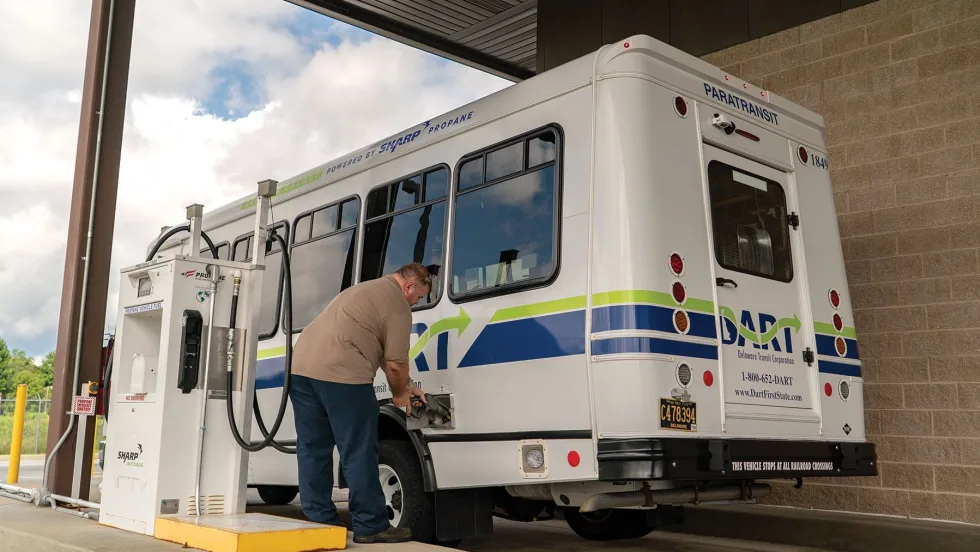
Building a Winning FTA Grant Proposal: Why Propane Autogas is the Pragmatic Choice for Fleet Resilience
With $610 million available through the FY 2026 Buses and Bus Facilities Competitive Program and the Low or No Emission Grant Program, agencies must build a compelling case before the September 21 deadline that balances environmental compliance with operational feasibility.
Read More →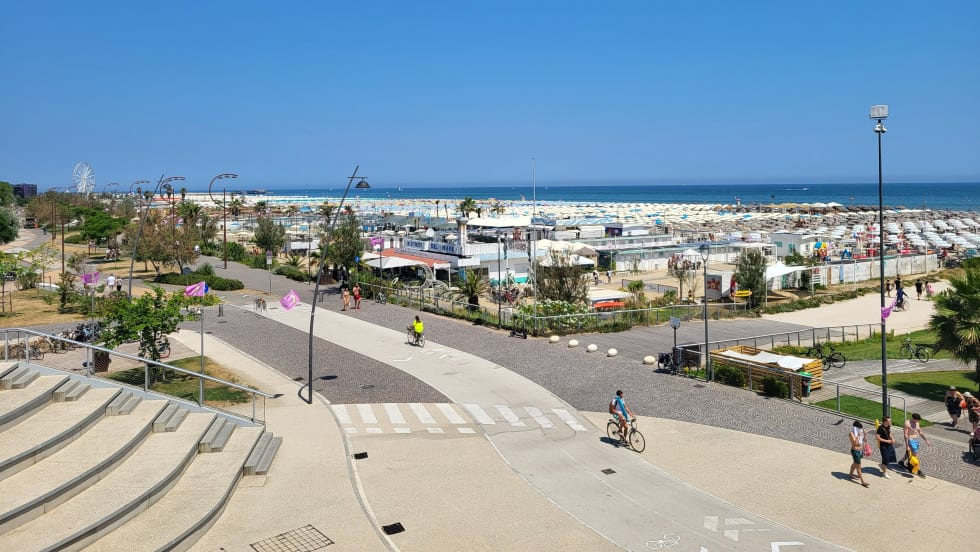
Velo-city Conference 2026: Latest Trends in Cycling as Part of Urban Mobility
The global cycling conference highlighted how cities are integrating bicycles into multimodal transportation networks, expanding cycle tourism and reshaping urban mobility.
Read More →
Kindness Isn’t Soft...It’s Strategic.
Mike Bismeyer — often known as “The Kindness Guy” — has spent more than 17 years in public transit and mobility, serving in industry leadership roles, speaking across North America, and advocating for stronger workplace cultures. But his message doesn’t come from theory. It comes from lived experience.
Read More →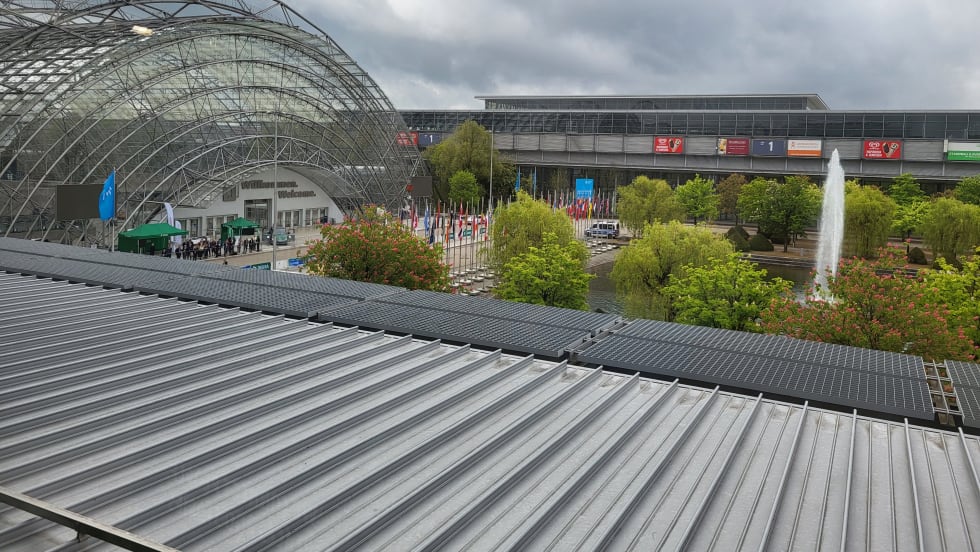
Inside ITF 2026: Transport Reacts to A Challenging World
Transport leaders from around the world gathered in Leipzig, Germany, for the 2026 International Transport Forum to discuss resilience, climate impacts, supply chains and the future of sustainable mobility.
Read More →
Every Ride Tells a Story — But You’re Not Just Selling the Ride
You’re selling the moment, the meaning, and the emotion behind it.
Read More →
How Digital Signage is Reshaping the Traveler Experience at Transportation Hubs
What was once a landscape of static signs has evolved into a responsive, immersive environment powered by real-time visual communication.
Read More →
Latest Trends in Urban Mobility from Polis Conference 2025
Polis comprises cities and regions, as well as corporate partners, from across Europe, promoting the development and implementation of sustainable mobility. This year’s event had over a thousand attendees across various policy forums and an exhibition.
Read More →
Why Transit Leaders Require Better Tools for Operational Clarity In Today’s Tech-Fragmented Environment
Across North America and beyond, transit agency officials are contending with a perfect storm of operational headaches and strategic challenges that hamper daily service and long-term progress.
Read More →
The Powerless Brokers: Why California Can’t Build Transit
It is no secret that transit in the U.S. is slow and expensive to build.
Read More →
Why Transport Sustainability Should Focus on People Instead of Cars
Simply incentivizing electrification is not enough to make a meaningful impact; we must shift our focus toward prioritizing public transportation and infrastructure.
Read More →