



Make the season for giving last all year long
During the holiday season, many companies participate in activities to give back to those in need. At Southeastern Pennsylvania Transportation Authority, community involvement is part of the culture.

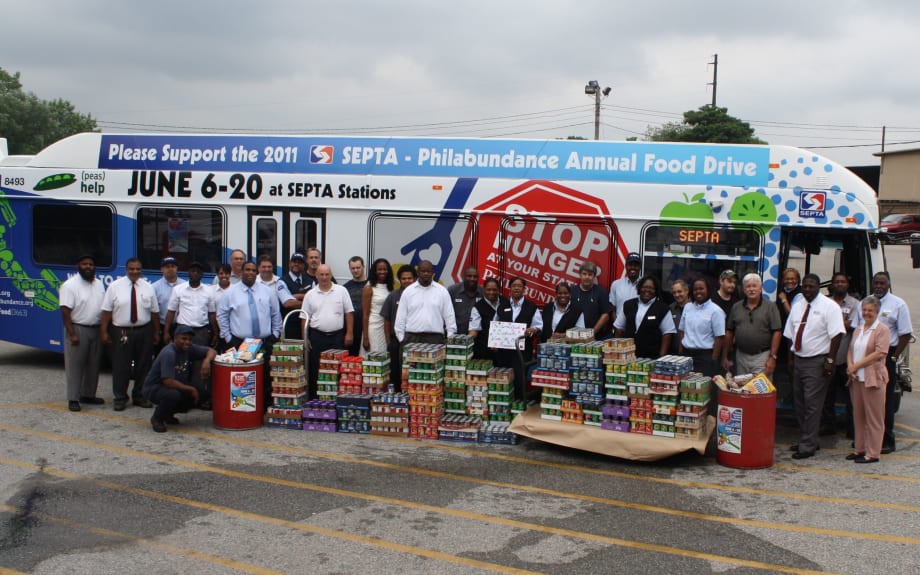
Employees from SEPTA's Frontier Division with their contributions to the annual "Stop Hunger at Your Station Food Drive." In three years, SEPTA employees and customers have donated more than 46 tons of food to Philabundance hunger relief organization.
During the holiday season, many companies participate in activities to give back to those in need. At Southeastern Pennsylvania Transportation Authority (SEPTA), community involvement is part of the culture.
Individually, SEPTA’s employees are active members of their neighborhoods, local organizations and places of worship. Collectively, the authority consistently looks for opportunities that will make an impact for the greater good in its service region.
Employees from SEPTA's Frontier Division with their contributions to the annual
From donating thousands of toys to local children in need during the annual holiday “Yule Toy” drive to helping beautify neighborhoods for the Philadelphia Mayor’s spring cleanup and joining with customers to collect tons of food during the summer food drive, giving to others is a way of daily operations.
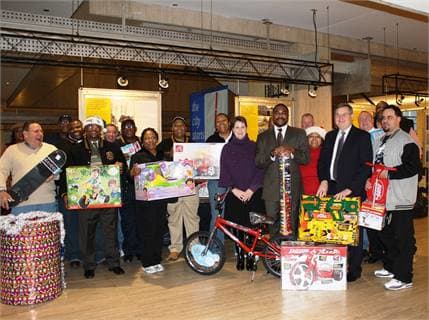
Every holiday season for more than 30 years, SEPTA employees have donated thousands of presents for deserving children in the Greater Philadelphia region.
“We are a service organization, with an emphasis on service, and provide our neighbors with more than just a means of transportation,” said SEPTA GM Joseph Casey. “This is our home and it is our responsibility to give back.”
SEPTA recently extended its community service commitment beyond the Greater Philadelphia region by teaming with the Philadelphia Sports Congress to collect items for care packages to be sent to U.S. troops stationed around the world via Operation Gratitude.
Members of the armed forces, joined by volunteers at SEPTA’s AT&T Station and Philadelphia Headquarters and other Center City locations, collected toiletries, socks, scarves, gloves, CDs, gift cards, and letters of appreciation for servicemen and women.
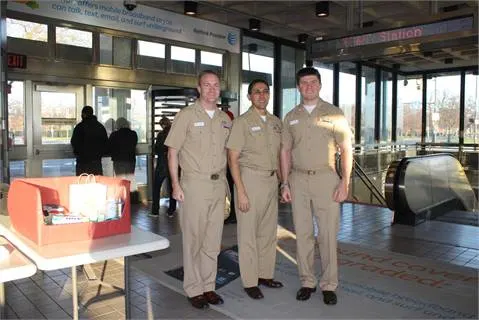
(From left) Lt. Vaughn Cooper, Lt. Commander Sal Torres and Lt. Joe Bossi collected donations and signed cards from passengers at SEPTA's AT&T Broad Street Line Station.
“The gifts are very much appreciated,” said Lt. Vaughn Cooper, who collected items at AT&T Station on SEPTA’s Broad Street Line.
“Even in this time of email, when there is a letter or package from back home, the feeling is so great,” added Lt. Commander Sal Torres, who was also at the station.
The collection was held in conjunction with the Army-Navy game, which will return to Philadelphia in 2012. Those who donated supplies or signed cards were given the opportunity to win tickets to next year’s game.
“The holidays are a time to be with family, but for many members of our armed forces, the season will be spent thousands of miles from home,” said Casey. “We were pleased to be able to join with the Sports Congress in showing our appreciation for our service men and women by sending small gifts and words of thanks overseas.”
As vital components of their communities that rely on citizens for increased ridership and support, public transit agencies should find ways to make the spirit of giving last not only for the holidays, but throughout the year.
In case you missed it...
Read our METRO blog, "How do you change the public's perception?" here.
More Blog Posts
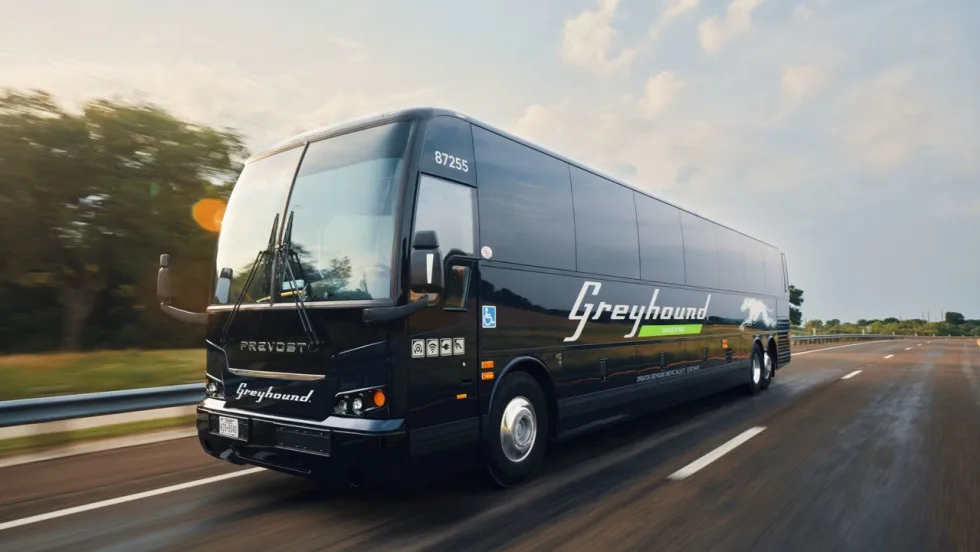
Five Years Later: What’s Changed at Greyhound
Five years after Flix acquired it, Greyhound reflects on fleet modernization, operational improvements, employee empowerment, and a renewed focus on customer experience.
Read More →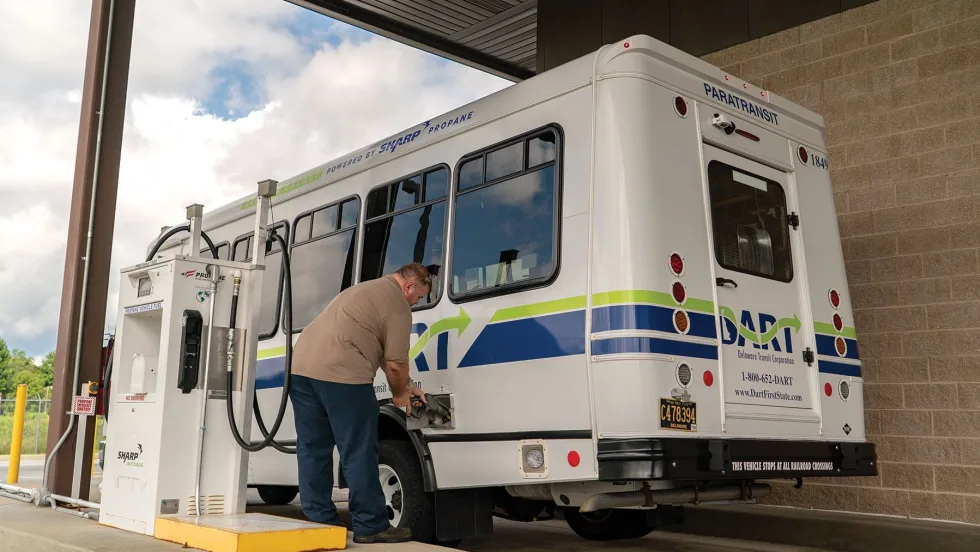
Building a Winning FTA Grant Proposal: Why Propane Autogas is the Pragmatic Choice for Fleet Resilience
With $610 million available through the FY 2026 Buses and Bus Facilities Competitive Program and the Low or No Emission Grant Program, agencies must build a compelling case before the September 21 deadline that balances environmental compliance with operational feasibility.
Read More →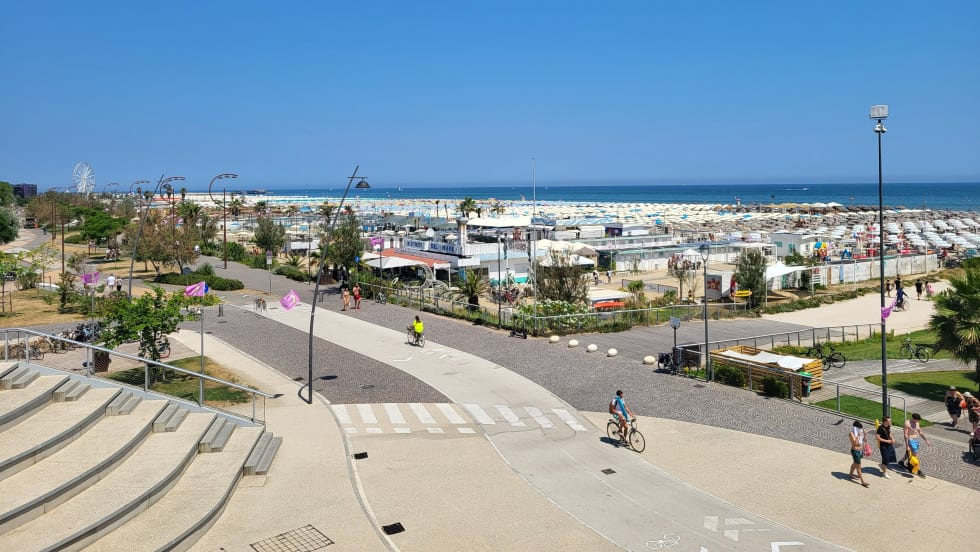
Velo-city Conference 2026: Latest Trends in Cycling as Part of Urban Mobility
The global cycling conference highlighted how cities are integrating bicycles into multimodal transportation networks, expanding cycle tourism and reshaping urban mobility.
Read More →
Kindness Isn’t Soft...It’s Strategic.
Mike Bismeyer — often known as “The Kindness Guy” — has spent more than 17 years in public transit and mobility, serving in industry leadership roles, speaking across North America, and advocating for stronger workplace cultures. But his message doesn’t come from theory. It comes from lived experience.
Read More →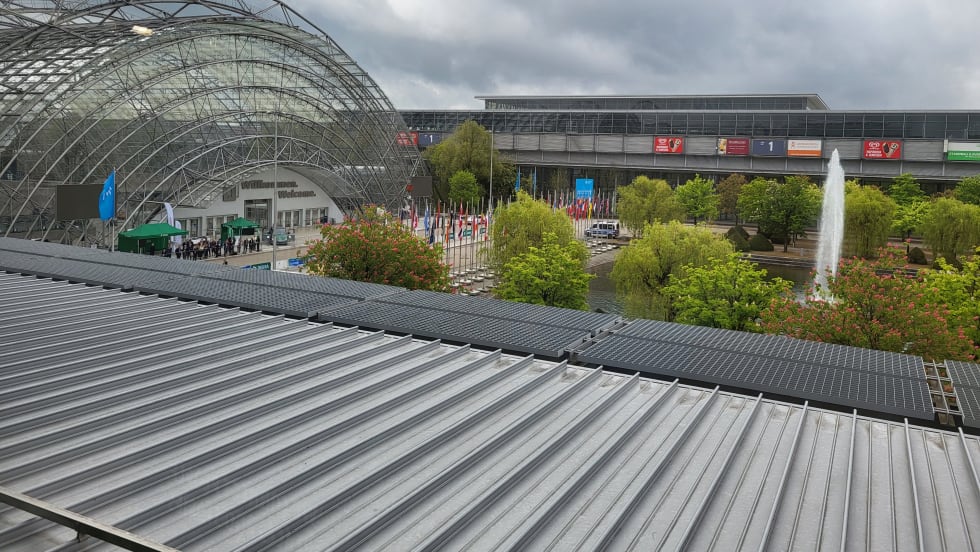
Inside ITF 2026: Transport Reacts to A Challenging World
Transport leaders from around the world gathered in Leipzig, Germany, for the 2026 International Transport Forum to discuss resilience, climate impacts, supply chains and the future of sustainable mobility.
Read More →
Every Ride Tells a Story — But You’re Not Just Selling the Ride
You’re selling the moment, the meaning, and the emotion behind it.
Read More →
How Digital Signage is Reshaping the Traveler Experience at Transportation Hubs
What was once a landscape of static signs has evolved into a responsive, immersive environment powered by real-time visual communication.
Read More →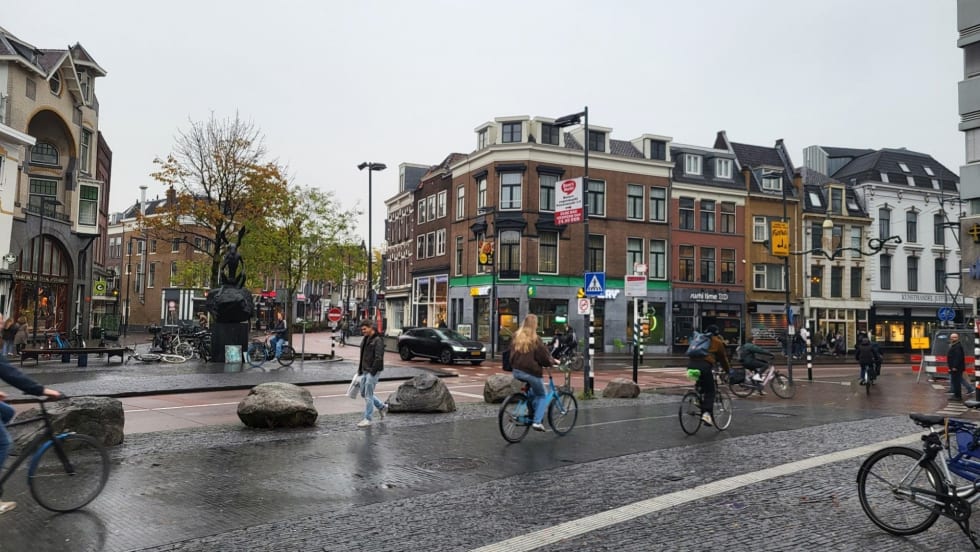
Latest Trends in Urban Mobility from Polis Conference 2025
Polis comprises cities and regions, as well as corporate partners, from across Europe, promoting the development and implementation of sustainable mobility. This year’s event had over a thousand attendees across various policy forums and an exhibition.
Read More →
Why Transit Leaders Require Better Tools for Operational Clarity In Today’s Tech-Fragmented Environment
Across North America and beyond, transit agency officials are contending with a perfect storm of operational headaches and strategic challenges that hamper daily service and long-term progress.
Read More →
The Powerless Brokers: Why California Can’t Build Transit
It is no secret that transit in the U.S. is slow and expensive to build.
Read More →