



Making public transit greener
How do you make public transit even more environmentally-friendly and efficient for the 21st Century? SEPTA, in partnership with a Philadelphia smart grid company is bringing the regenerative braking energy technology long used by hybrid-electric vehicles to its Market-Frankford Line elevated trains.


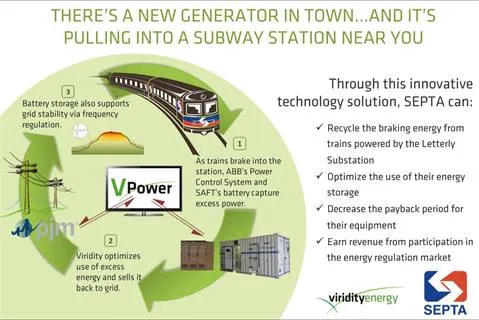
Public transit has always been the green transportation alternative. How do you make it even more environmentally-friendly and efficient for the 21st Century? The Southeastern Pennsylvania Transportation Authority (SEPTA), in partnership with Viridity Energy Inc. — a Philadelphia smart grid company — is bringing the regenerative braking energy technology long used by hybrid-electric vehicles to its Market-Frankford Line elevated trains.
But where hybrid-electric buses and cars have onboard batteries to capture and store energy created when the vehicle brakes, trains don’t have a storage capability and the energy created during the regenerative braking process can only be used by a nearby accelerating train. And if there’s no train? That energy is lost, vanishing into the air.
Until now.
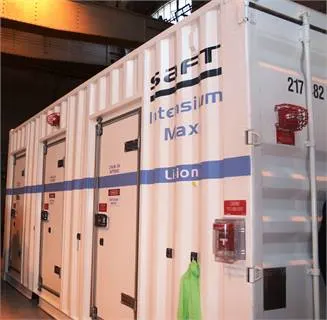
SEPTA and Viridity have devised a way to capture, store and reuse braking “El” trains’ energy, building upon the idea of an on-board battery.
In a first-of-its kind “wayside energy storage” project, SEPTA and Viridity have devised a way to capture, store and reuse braking “El” trains’ energy, building upon the idea of an on-board battery. Instead of just one battery like that on a car or bus, SEPTA’s system is several large batteries (produced by Saft Batteries Inc.) and a controller (produced by ABB Envitech, Inc.) located offsite (“wayside”) at SEPTA’s Letterly Substation. The stored energy can later be used by SEPTA to meet a variety of energy needs on the portion of the Market-Frankford Line served by that substation, including powering additional trains.
Wayside energy storage is green for reasons other than being socially responsible by reducing the amount of energy SEPTA needs from the power grid. The project will be a money saver and revenue generator for SEPTA — an important outcome at a time when transportation organizations are being looked upon to develop innovative means of creating income.
Much like SEPTA’s hybrid buses reduce fuel consumption, the battery is projected to decrease the electric bills at Letterly Substation by up to $190,000 per year. Additionally, the excess energy captured and stored by the battery can provide support to the electric grid via the frequency regulation market. Through its partnership with Viridity, SEPTA will deploy its energy surplus as virtual power into PJM Interconnection’s wholesale power frequency regulation and energy markets. SEPTA anticipates that frequency regulation and other demand response programs could generate up to $250,000 annually in new revenue.
“Through this pilot project, SEPTA will become even more energy efficient, which will help control operating costs — benefiting both customers and taxpayers. We’ve made our system cleaner, greener and more efficient in recent years: things like replacing traditional diesel buses with diesel-electric hybrids and installing energy-efficient lighting at stations, facilities and offices,” said SEPTA GM Joseph Casey. “These measures are helping us control costs in tough economic conditions and making us a better neighbor in the communities we serve."
The Letterly Substation project, funded by a $900,000 grant from the Pennsylvania Energy Development Authority, is just the first in SEPTA’s wayside energy storage initiative. The agency received a $1.44 million FTA grant to install another device at a substation in Northeast Philadelphia. That grant will also be used to test alternative battery technology and determine the best fit for SEPTA’s propulsion system. The results will be shared within the transportation industry, allowing other rail transit agencies to determine how they might be able to use the wayside storage technology in their systems.
In case you missed it...
Read our METRO blog, "Finalizing bus stop placement" here.
More Blog Posts
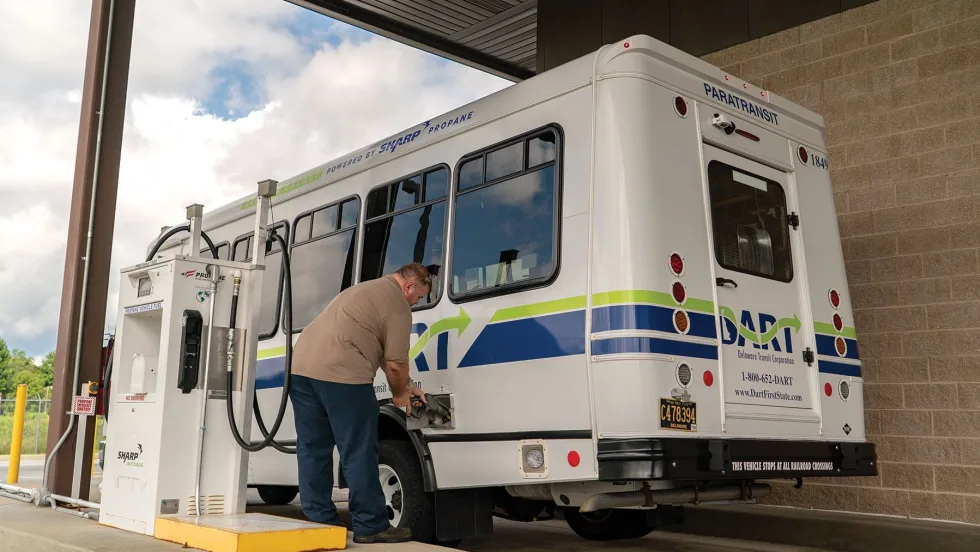
Building a Winning FTA Grant Proposal: Why Propane Autogas is the Pragmatic Choice for Fleet Resilience
With $610 million available through the FY 2026 Buses and Bus Facilities Competitive Program and the Low or No Emission Grant Program, agencies must build a compelling case before the September 21 deadline that balances environmental compliance with operational feasibility.
Read More →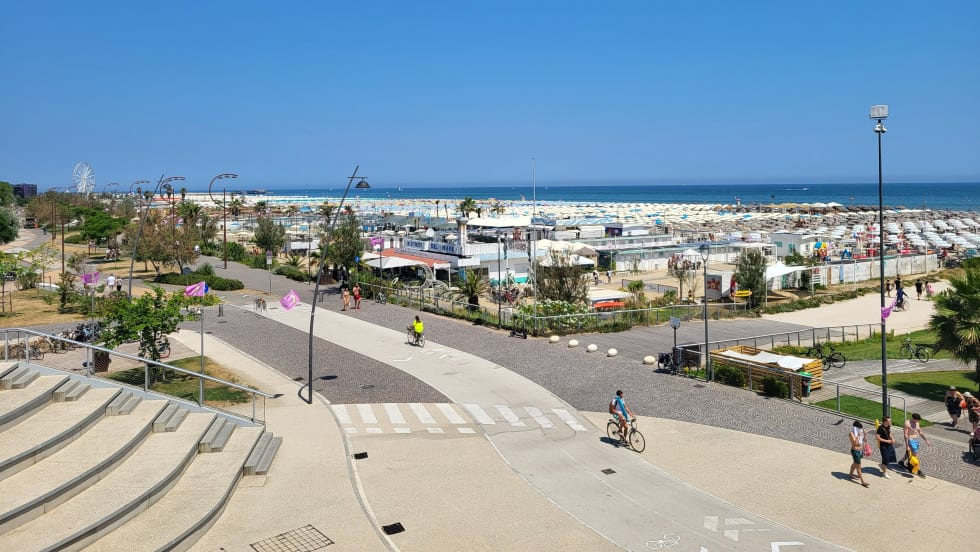
Velo-city Conference 2026: Latest Trends in Cycling as Part of Urban Mobility
The global cycling conference highlighted how cities are integrating bicycles into multimodal transportation networks, expanding cycle tourism and reshaping urban mobility.
Read More →
Kindness Isn’t Soft...It’s Strategic.
Mike Bismeyer — often known as “The Kindness Guy” — has spent more than 17 years in public transit and mobility, serving in industry leadership roles, speaking across North America, and advocating for stronger workplace cultures. But his message doesn’t come from theory. It comes from lived experience.
Read More →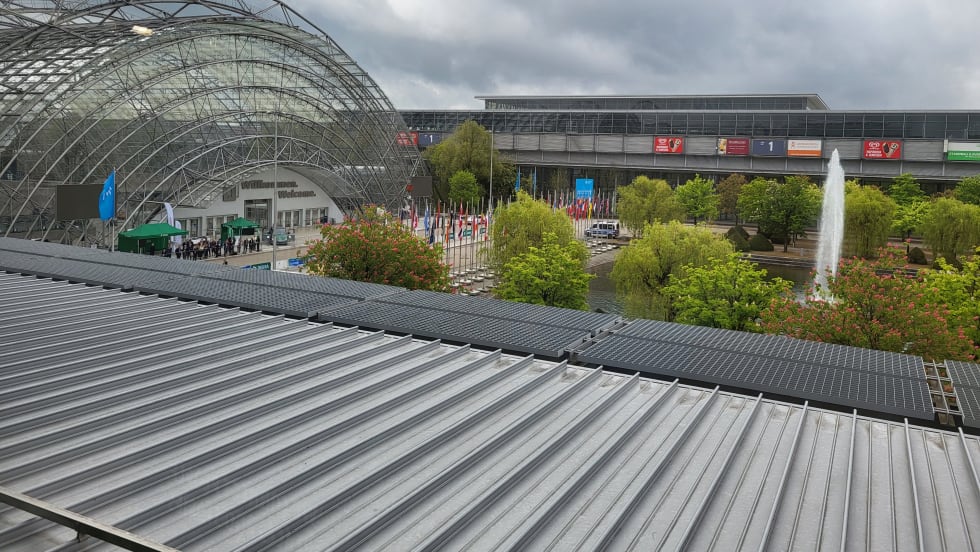
Inside ITF 2026: Transport Reacts to A Challenging World
Transport leaders from around the world gathered in Leipzig, Germany, for the 2026 International Transport Forum to discuss resilience, climate impacts, supply chains and the future of sustainable mobility.
Read More →
Every Ride Tells a Story — But You’re Not Just Selling the Ride
You’re selling the moment, the meaning, and the emotion behind it.
Read More →
How Digital Signage is Reshaping the Traveler Experience at Transportation Hubs
What was once a landscape of static signs has evolved into a responsive, immersive environment powered by real-time visual communication.
Read More →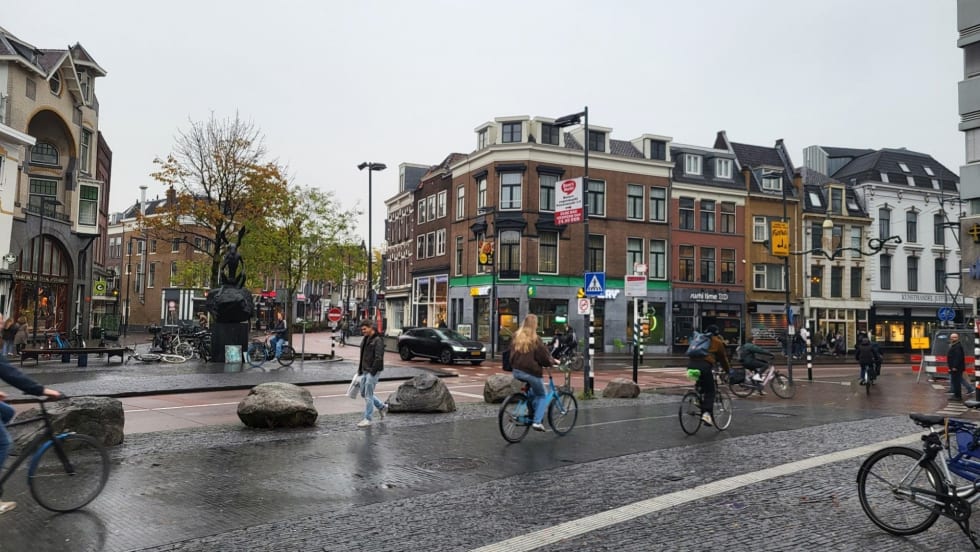
Latest Trends in Urban Mobility from Polis Conference 2025
Polis comprises cities and regions, as well as corporate partners, from across Europe, promoting the development and implementation of sustainable mobility. This year’s event had over a thousand attendees across various policy forums and an exhibition.
Read More →
Why Transit Leaders Require Better Tools for Operational Clarity In Today’s Tech-Fragmented Environment
Across North America and beyond, transit agency officials are contending with a perfect storm of operational headaches and strategic challenges that hamper daily service and long-term progress.
Read More →
The Powerless Brokers: Why California Can’t Build Transit
It is no secret that transit in the U.S. is slow and expensive to build.
Read More →
Why Transport Sustainability Should Focus on People Instead of Cars
Simply incentivizing electrification is not enough to make a meaningful impact; we must shift our focus toward prioritizing public transportation and infrastructure.
Read More →