



Micromobility: The missing link between people and cities
Millennials and Generation Z alike are looking for homes and jobs in cities, where they can walk and take public transportation for daily life.


Micromobility options such as e-scooters can play a huge role in cities of all sizes: solving the first- and last-mile problem.
Bird

Micromobility options such as e-scooters can play a huge role in cities of all sizes: solving the first- and last-mile problem.
Bird
One of the largest trends in real estate over the past few years has been urbanization. Millennials and Generation Z alike are looking for homes and jobs in cities, where they can walk and take public transportation for daily life. The trend has moved so much in this direction that the demand has outweighed the supply, and so far our public transportation infrastructure across the country has been unable to keep up. Enter: micromobility.
Micromobility includes options that are both physically small and meant for short distances: electric scooters, shared dockless bikes, and electric bikes. The boom really took off in late 2017, with the introduction of several different companies in cities across the country. They began to consolidate, and main operators like Lyft, Uber, Bird, Skip, Lime, and Spin are still in the game (though rumors continue swirling around Uber and Lyft purchasing some of the smaller companies).
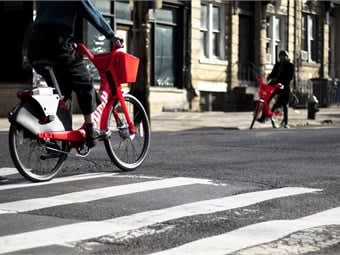
The average trip for a JUMP electric bike in DC is three miles, about twice the distance of the average trip on a traditional bikeshare.
JUMP
The popularity of these options shouldn’t be surprising. First of all, they’re fun — especially when the weather is nice. But additionally, they can play a huge role in cities of all sizes: solving the first- and last-mile problem. As cities continue to grow and develop, the existing public transportation infrastructure (particularly for mass transit like subways) often struggles to keep up. This means enviable destinations for both work and play are farther from metro stops, causing people who don’t want to walk that last mile to just drive the whole way instead of relying on public transit.
With scooters and e-bikes more readily available, people can complete their trips with ease, giving them the confidence to take public transportation more often. They also play an interesting role in potentially reducing short car trips. The average trip for a JUMP electric bike in DC is three miles, about twice the distance of the average trip on a traditional bikeshare. This difference is at the inflection point where a user would consider calling a car, but because of the ease and availability of the electric bikes, they’ll make a more sustainable choice.
Scooters and electric bikes also solve another hurdle with sustainable commuting. People often choose not to bike to work because they’ll arrive disheveled and don’t have on-site shower facilities; electric options remove this barrier. Particularly in geographically smaller cities like DC, this can make a huge difference.
Micromobility is not the only solution, and it’s certainly not meant to replace public transit. However, investing in infrastructure like light rail and subway expansions takes time and money. Maryland’s Purple Line light-rail project has been discussed since 1994 and under construction since 2017; and it still isn’t slated to be finished until 2024. Micromobility can fill in the gaps while cities continue to invest in dependable public transit.
Indeed, additional infrastructure for micromobility itself is also a requirement to its success. Without increased numbers of protected bike lanes and changed curb spaces, people will be less likely to feel safe taking full advantage.
We have an opportunity to create a robust mobility network for cities and their suburbs, expanding transit’s reach farther than public options currently allow. By supporting private companies while simultaneously encouraging continued expansion of public transit, we can support people who can’t live directly in the urban core.
Ryan Croft is COO and cofounder of Washington, DC-based TransitScreen.
More Blog Posts
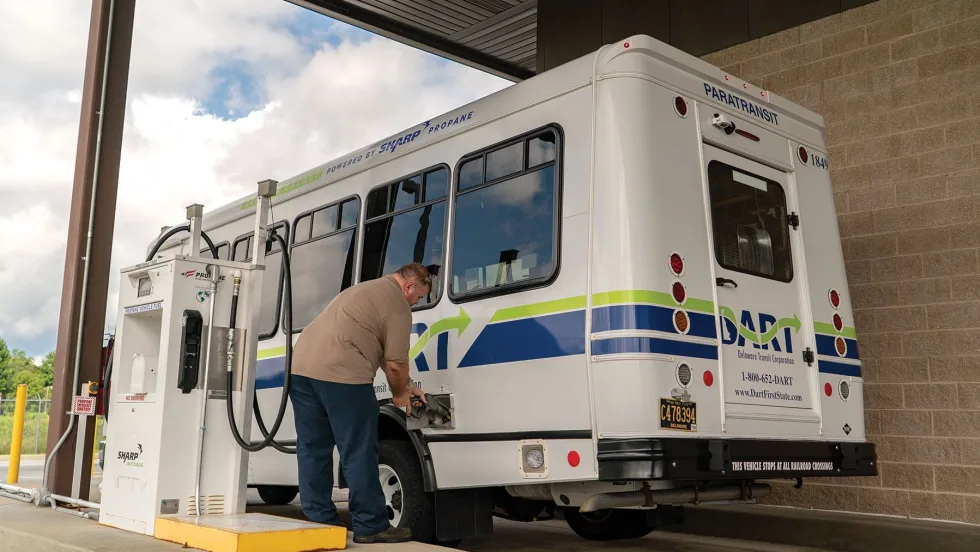
Building a Winning FTA Grant Proposal: Why Propane Autogas is the Pragmatic Choice for Fleet Resilience
With $610 million available through the FY 2026 Buses and Bus Facilities Competitive Program and the Low or No Emission Grant Program, agencies must build a compelling case before the September 21 deadline that balances environmental compliance with operational feasibility.
Read More →
Velo-city Conference 2026: Latest Trends in Cycling as Part of Urban Mobility
The global cycling conference highlighted how cities are integrating bicycles into multimodal transportation networks, expanding cycle tourism and reshaping urban mobility.
Read More →
Kindness Isn’t Soft...It’s Strategic.
Mike Bismeyer — often known as “The Kindness Guy” — has spent more than 17 years in public transit and mobility, serving in industry leadership roles, speaking across North America, and advocating for stronger workplace cultures. But his message doesn’t come from theory. It comes from lived experience.
Read More →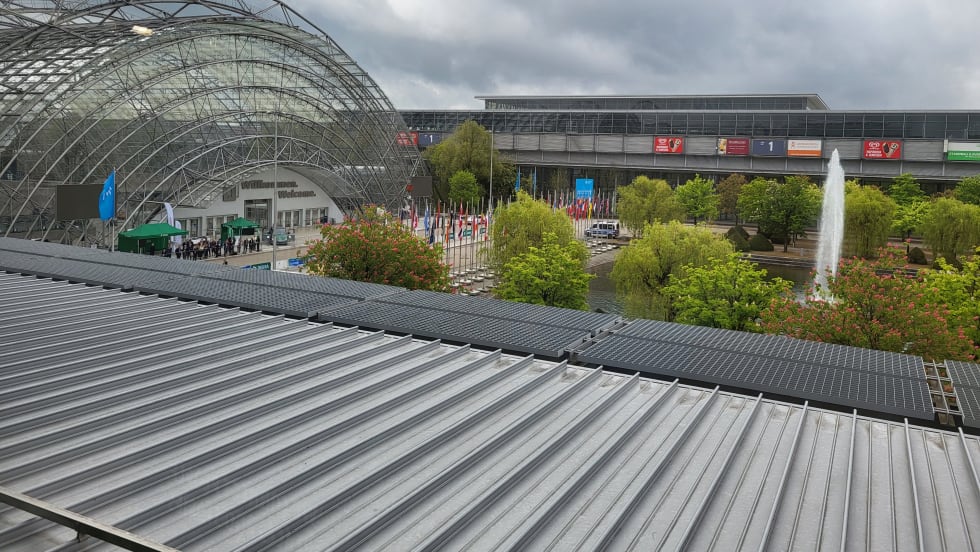
Inside ITF 2026: Transport Reacts to A Challenging World
Transport leaders from around the world gathered in Leipzig, Germany, for the 2026 International Transport Forum to discuss resilience, climate impacts, supply chains and the future of sustainable mobility.
Read More →
Every Ride Tells a Story — But You’re Not Just Selling the Ride
You’re selling the moment, the meaning, and the emotion behind it.
Read More →
How Digital Signage is Reshaping the Traveler Experience at Transportation Hubs
What was once a landscape of static signs has evolved into a responsive, immersive environment powered by real-time visual communication.
Read More →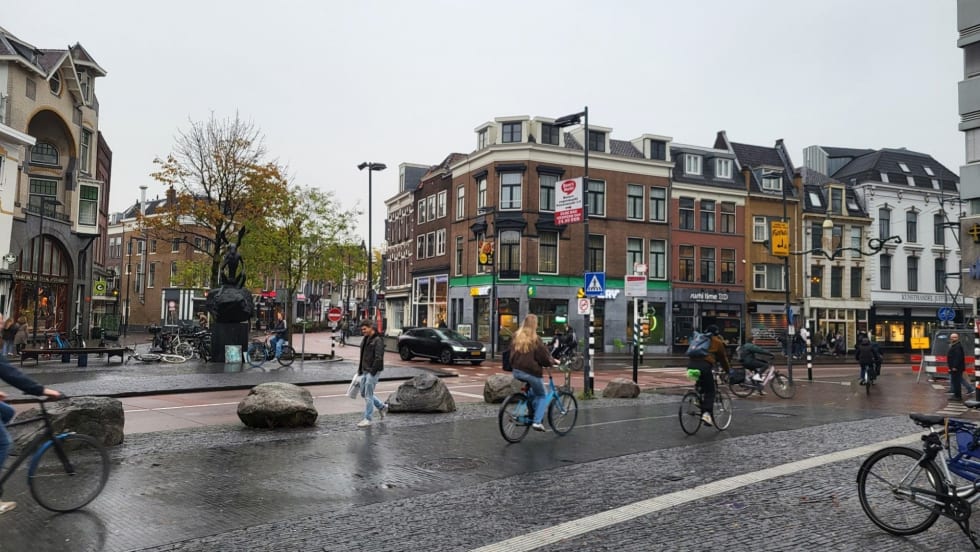
Latest Trends in Urban Mobility from Polis Conference 2025
Polis comprises cities and regions, as well as corporate partners, from across Europe, promoting the development and implementation of sustainable mobility. This year’s event had over a thousand attendees across various policy forums and an exhibition.
Read More →
Why Transit Leaders Require Better Tools for Operational Clarity In Today’s Tech-Fragmented Environment
Across North America and beyond, transit agency officials are contending with a perfect storm of operational headaches and strategic challenges that hamper daily service and long-term progress.
Read More →
The Powerless Brokers: Why California Can’t Build Transit
It is no secret that transit in the U.S. is slow and expensive to build.
Read More →
Why Transport Sustainability Should Focus on People Instead of Cars
Simply incentivizing electrification is not enough to make a meaningful impact; we must shift our focus toward prioritizing public transportation and infrastructure.
Read More →