



OCTA CEO: Kick-starting new routines this fall for commuters
Rideshare Week, which kicks off Oct. 3, is an annual event that focuses on the importance of commuters sharing the ride to get to where they need or want to go. It encourages employers and their employees to take the bus or train, vanpool, carpool, walk or ride a bike.
It’s that time of year when the leaves are beginning to change colors (although in Orange County we’re still enjoying our sunshine) and kids are heading back to school.
While my children are grown, September still brings with it the comforts of fall, which has always meant returning to a routine. But in Orange County and across the nation, transit agencies are hoping to convince people to try a new routine, one that doesn’t require them to drive solo.
Rideshare Week, which kicks off Oct. 3, is an annual event that focuses on the importance of commuters sharing the ride to get to where they need or want to go. It encourages employers and their employees to take the bus or train, vanpool, carpool, walk or ride a bike.
Here at Orange County Transportation Authority (OCTA) our marketing staff has put together a campaign to promote the week and worked with the community to offer incentives for those who choose to participate. Commuters in Orange County can pledge to share the ride one or more days throughout the week, and those who do, have a chance to win a variety of prizes including iPads, gift certificates, Disneyland tickets and a bike gift basket, which all have been donated.
There are many reasons why people may choose to rideshare. For some, it saves them time or the headache from traffic, and for others like David Styffe, it’s the financial savings along with the satisfaction of being environmentally conscious.
“I used to drive alone, but I recently started commuting on the bus from my home in Fullerton to my job in Santa Ana,” said Styffe, an Orange County commuter who in May began taking public transit. “My main reason to start riding the bus was to save money. I also appreciate the fact that I'm doing something environmentally and socially beneficial. I was surprised about how good it feels.”
It is our job, as transportation agencies, to educate the public about the benefits of sharing the ride and provide incentives that encourage people to experiment with alternative transportation modes.
Very often the fear of trying something new keeps commuters away from public transit, but once they try our services they see how easy, efficient and relaxing it really can be.
Rideshare Week is just one part of OCTA’s efforts to encourage alternative forms of transportation. We also host Bike to Work Week, hold bike workshops and safety classes, subsidize the cost for vanpools and offer special transit passes to employers. In addition, OCTA is encouraging the use of commuter-rail service for recreational use by offering more train service to special events such as baseball games, concerts and the Del Mar Racetrack.
Together, these programs are bringing to light the benefits of ride sharing and ultimately should help make a dent in Southern California’s car culture.
For more information about OCTA’s Rideshare program, visit www.octa.net/sharetheride.
In case you missed it...
Read our METRO blog, "Is public transit doomed for good?"
More Blog Posts
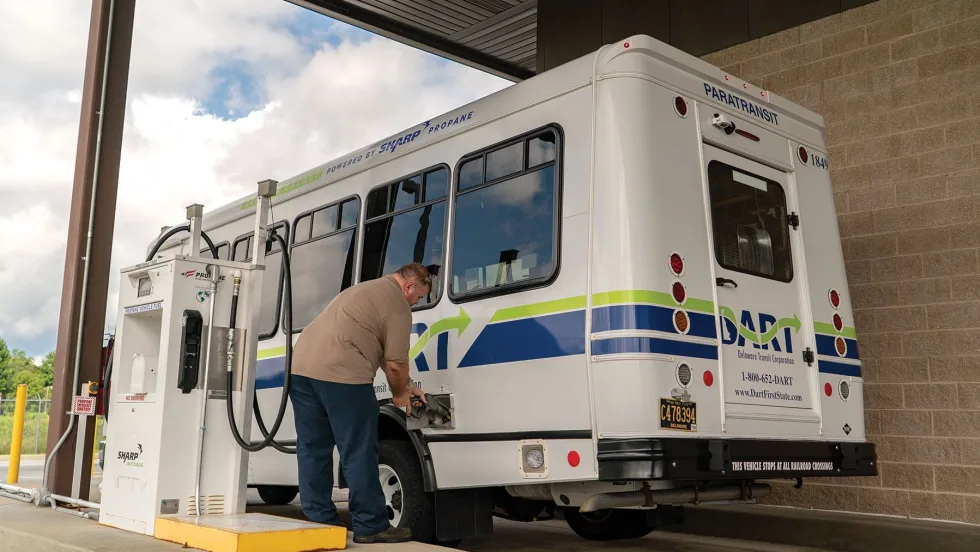
Building a Winning FTA Grant Proposal: Why Propane Autogas is the Pragmatic Choice for Fleet Resilience
With $610 million available through the FY 2026 Buses and Bus Facilities Competitive Program and the Low or No Emission Grant Program, agencies must build a compelling case before the September 21 deadline that balances environmental compliance with operational feasibility.
Read More →
Velo-city Conference 2026: Latest Trends in Cycling as Part of Urban Mobility
The global cycling conference highlighted how cities are integrating bicycles into multimodal transportation networks, expanding cycle tourism and reshaping urban mobility.
Read More →
Kindness Isn’t Soft...It’s Strategic.
Mike Bismeyer — often known as “The Kindness Guy” — has spent more than 17 years in public transit and mobility, serving in industry leadership roles, speaking across North America, and advocating for stronger workplace cultures. But his message doesn’t come from theory. It comes from lived experience.
Read More →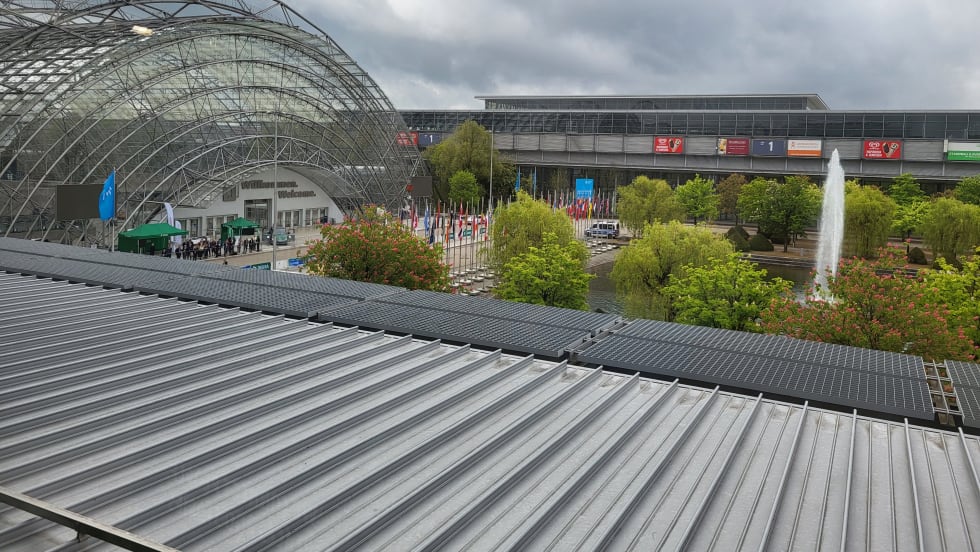
Inside ITF 2026: Transport Reacts to A Challenging World
Transport leaders from around the world gathered in Leipzig, Germany, for the 2026 International Transport Forum to discuss resilience, climate impacts, supply chains and the future of sustainable mobility.
Read More →
Every Ride Tells a Story — But You’re Not Just Selling the Ride
You’re selling the moment, the meaning, and the emotion behind it.
Read More →
How Digital Signage is Reshaping the Traveler Experience at Transportation Hubs
What was once a landscape of static signs has evolved into a responsive, immersive environment powered by real-time visual communication.
Read More →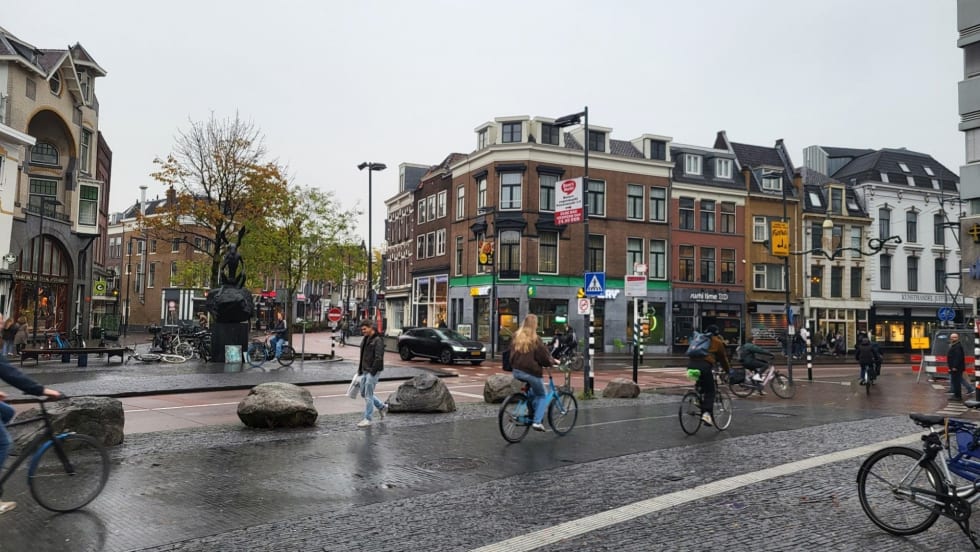
Latest Trends in Urban Mobility from Polis Conference 2025
Polis comprises cities and regions, as well as corporate partners, from across Europe, promoting the development and implementation of sustainable mobility. This year’s event had over a thousand attendees across various policy forums and an exhibition.
Read More →
Why Transit Leaders Require Better Tools for Operational Clarity In Today’s Tech-Fragmented Environment
Across North America and beyond, transit agency officials are contending with a perfect storm of operational headaches and strategic challenges that hamper daily service and long-term progress.
Read More →
The Powerless Brokers: Why California Can’t Build Transit
It is no secret that transit in the U.S. is slow and expensive to build.
Read More →
Why Transport Sustainability Should Focus on People Instead of Cars
Simply incentivizing electrification is not enough to make a meaningful impact; we must shift our focus toward prioritizing public transportation and infrastructure.
Read More →