



OCTA CEO: Maintaining customer service as paratransit grows
A decade ago, OCTA’s paratransit ACCESS Service was growing at a rate twice that of the fixed-route service. Managing that increased demand and the spiraling cost of added usage has been a necessity to ensure the long-term financial sustainability of our entire transit system. However, managing that growth did not come at a cost to customer satisfaction.
Paratransit service is an essential component of our transit network in Orange County, as it is throughout the nation. This service provides independence to those who need it most, and because the demand for this lifeline service continues to grow, it has far outpaced the available funding.
A decade ago, Orange County Transportation Authority’s (OCTA) paratransit ACCESS Service was growing at a rate twice that of the fixed-route service. Managing that increased demand and the spiraling cost of added usage has been a necessity to ensure the long-term financial sustainability of our entire transit system.
However, managing that growth did not come at a cost to customer satisfaction. Through strategic planning, program structuring and implementation, OCTA has successfully kept paratransit services at a manageable level, while maintaining high customer satisfaction.
A recent customer satisfaction survey of OCTA’s paratransit service, known as ACCESS, showed 88% of those who use ACCESS are satisfied with the service, with the majority of users highly satisfied.
Customers also show increased satisfaction in travel time, on-time performance, bus driver courtesy, cleanliness of the bus, safety on the bus, the reservation process and the cost of riding ACCESS.
This survey comes on the heels of six years of implementing changes to manage the growth of ACCESS, both on the operations side and through community partnerships.
We have been able to improve the efficiency of ACCESS by expanding taxi service during lower productivity hours and using same-day taxi programs as an alternative for paratransit customers.
These changes save OCTA more than $1 million a year. Customers show increased satisfaction in the use of taxi services as well, with 83% satisfied — an increase of 13% from 2008.
Collaborating with local agencies and organizations also has been a key element to reducing the demand on ACCESS. OCTA has provided more than $18 million to various organizations who provide trip services for their ACCESS eligible clients. To date, these grants have provided nearly two million trips, saving OCTA more than $63 million.
Together, these strategies have produced significant cost savings while maintaining the quality of service and transportation options our customers expect and deserve.
In case you missed it...
Read our METRO blog, "Transit violence signals need for more security" here.
More Blog Posts
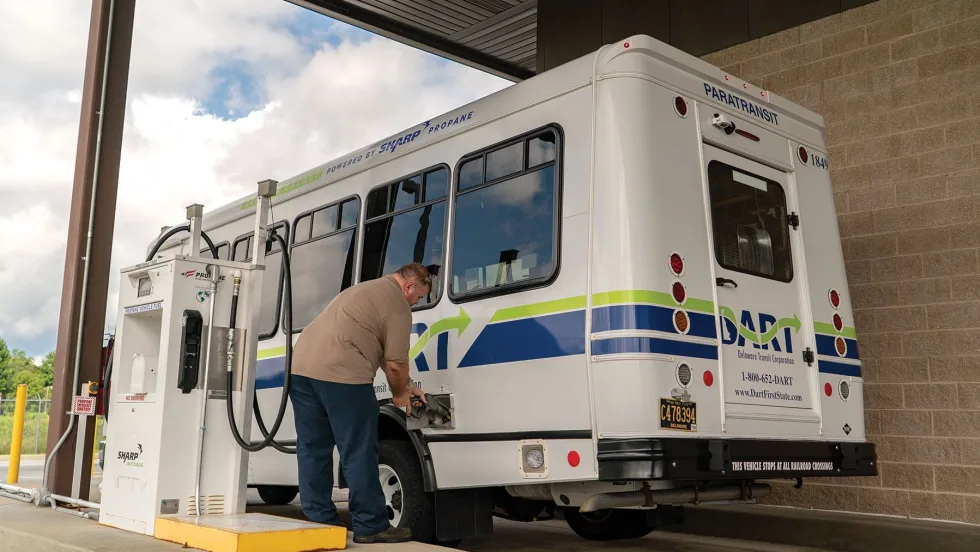
Building a Winning FTA Grant Proposal: Why Propane Autogas is the Pragmatic Choice for Fleet Resilience
With $610 million available through the FY 2026 Buses and Bus Facilities Competitive Program and the Low or No Emission Grant Program, agencies must build a compelling case before the September 21 deadline that balances environmental compliance with operational feasibility.
Read More →
Velo-city Conference 2026: Latest Trends in Cycling as Part of Urban Mobility
The global cycling conference highlighted how cities are integrating bicycles into multimodal transportation networks, expanding cycle tourism and reshaping urban mobility.
Read More →
Kindness Isn’t Soft...It’s Strategic.
Mike Bismeyer — often known as “The Kindness Guy” — has spent more than 17 years in public transit and mobility, serving in industry leadership roles, speaking across North America, and advocating for stronger workplace cultures. But his message doesn’t come from theory. It comes from lived experience.
Read More →
Inside ITF 2026: Transport Reacts to A Challenging World
Transport leaders from around the world gathered in Leipzig, Germany, for the 2026 International Transport Forum to discuss resilience, climate impacts, supply chains and the future of sustainable mobility.
Read More →
Every Ride Tells a Story — But You’re Not Just Selling the Ride
You’re selling the moment, the meaning, and the emotion behind it.
Read More →
How Digital Signage is Reshaping the Traveler Experience at Transportation Hubs
What was once a landscape of static signs has evolved into a responsive, immersive environment powered by real-time visual communication.
Read More →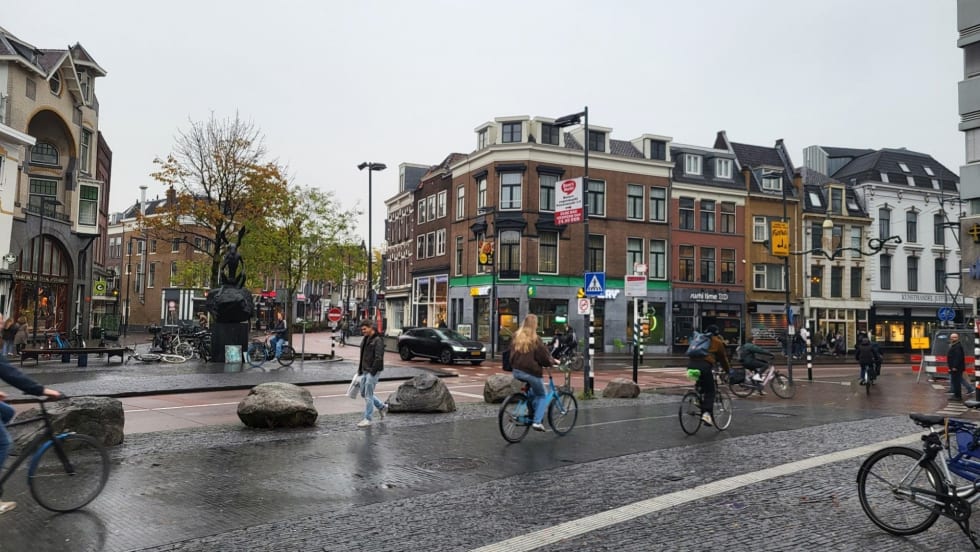
Latest Trends in Urban Mobility from Polis Conference 2025
Polis comprises cities and regions, as well as corporate partners, from across Europe, promoting the development and implementation of sustainable mobility. This year’s event had over a thousand attendees across various policy forums and an exhibition.
Read More →
Why Transit Leaders Require Better Tools for Operational Clarity In Today’s Tech-Fragmented Environment
Across North America and beyond, transit agency officials are contending with a perfect storm of operational headaches and strategic challenges that hamper daily service and long-term progress.
Read More →
The Powerless Brokers: Why California Can’t Build Transit
It is no secret that transit in the U.S. is slow and expensive to build.
Read More →
Why Transport Sustainability Should Focus on People Instead of Cars
Simply incentivizing electrification is not enough to make a meaningful impact; we must shift our focus toward prioritizing public transportation and infrastructure.
Read More →