



OCTA CEO: New paratransit center aids customers, improves efficiency
In our ongoing effort to improve our paratransit service and provide it in the most cost-effective way possible, OCTA recently completed a state-of-the art indoor center to qualify disabled individuals for the service, called ACCESS, which provides one million rides annually.
A critical component of Orange County Transportation Authority’s (OCTA) mission to deliver public transit to the three million residents of Orange County is our paratransit service, an area that continues to see increases in both ridership and cost.
In our ongoing effort to improve this service and provide it in the most cost-effective way possible, OCTA recently completed a state-of-the art indoor center to qualify disabled individuals for our paratransit service, called ACCESS, which provides one million rides annually.
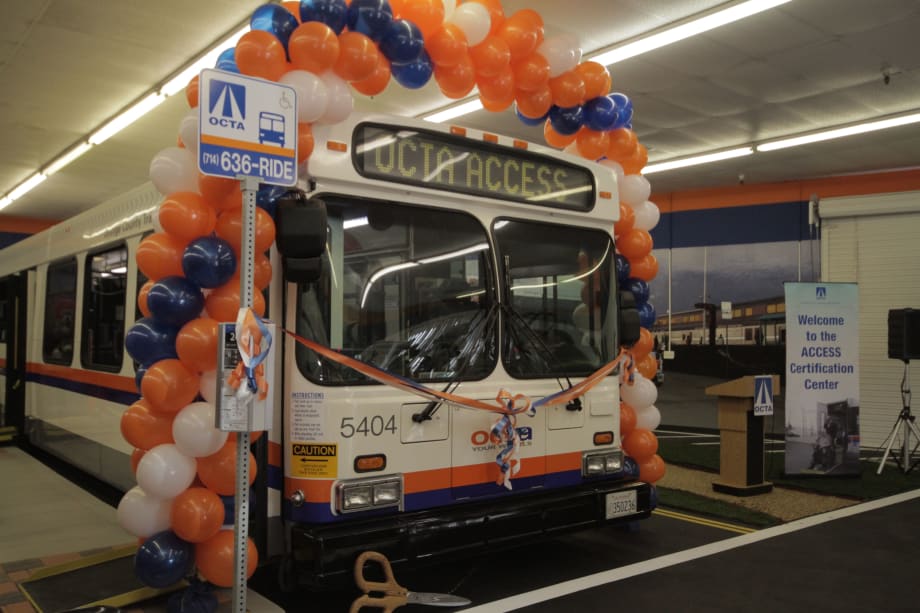
One of only four indoor centers in the nation, riders being evaluated are escorted through a series of tests that verify their ability to use ACCESS services, including boarding and exiting the bus, navigating through the center aisle and using the farebox.
The simulator provides accurate and efficient evaluation of riders’ abilities while also improving the customer experience for the 58,000 ACCESS customers.
The indoor facility houses a 40-foot bus used in testing individuals for paratransit service. Surrounding the bus are actual sidewalks and operating traffic signals to give users the feel of a real bus stop. It also contains curb-cuts, and life-size murals depicting shops, business offices and other unique venues such as Angels Stadium, making the test as real a simulation as possible.
The $52,000 facility was built as part of OCTA’s contract with C.A.R.E. Evaluators, which provides services to determine customers’ eligibility for using ACCESS. Each month, approximately 500 people are certified or re-certified to use the service.
Among the many benefits of the new center is the ability to evaluate customers more efficiently, saving staff time and money. Previously, riders were put through an outdoor evaluation that lasted an hour to test their ability to navigate uneven surfaces and curbs, but they did not board a bus. Evaluators can now test a customer’s ability to navigate multiple surfaces, board a bus and pay the fare, all within a controlled environment.
The testing today can be completed within 30 minutes, providing the same level of service in half the time and offering a more comfortable environment for customers. In addition, standardizing the evaluation process helps to accurately determine if a customer can use the fixed-route service for some trips, which can help to significantly reduce our costs. Subsidizing ACCESS service costs OCTA $50.17 per ride, versus $3.76 on the fixed-route service.
Ultimately, the success of our ACCESS service is measured by the customers’ experience and I’m proud to say that a recent passenger survey found 88% of users are satisfied with the service.
More Blog Posts
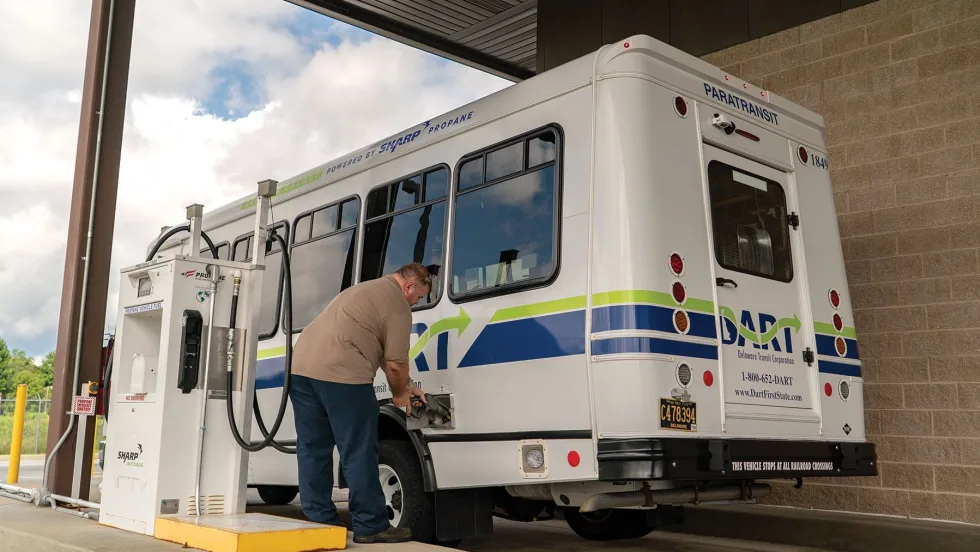
Building a Winning FTA Grant Proposal: Why Propane Autogas is the Pragmatic Choice for Fleet Resilience
With $610 million available through the FY 2026 Buses and Bus Facilities Competitive Program and the Low or No Emission Grant Program, agencies must build a compelling case before the September 21 deadline that balances environmental compliance with operational feasibility.
Read More →
Velo-city Conference 2026: Latest Trends in Cycling as Part of Urban Mobility
The global cycling conference highlighted how cities are integrating bicycles into multimodal transportation networks, expanding cycle tourism and reshaping urban mobility.
Read More →
Kindness Isn’t Soft...It’s Strategic.
Mike Bismeyer — often known as “The Kindness Guy” — has spent more than 17 years in public transit and mobility, serving in industry leadership roles, speaking across North America, and advocating for stronger workplace cultures. But his message doesn’t come from theory. It comes from lived experience.
Read More →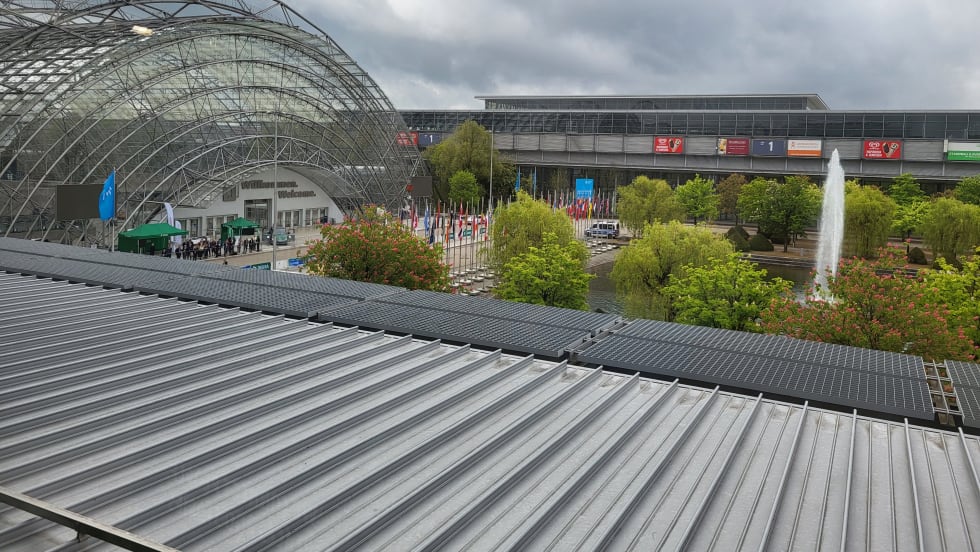
Inside ITF 2026: Transport Reacts to A Challenging World
Transport leaders from around the world gathered in Leipzig, Germany, for the 2026 International Transport Forum to discuss resilience, climate impacts, supply chains and the future of sustainable mobility.
Read More →
Every Ride Tells a Story — But You’re Not Just Selling the Ride
You’re selling the moment, the meaning, and the emotion behind it.
Read More →
How Digital Signage is Reshaping the Traveler Experience at Transportation Hubs
What was once a landscape of static signs has evolved into a responsive, immersive environment powered by real-time visual communication.
Read More →
Latest Trends in Urban Mobility from Polis Conference 2025
Polis comprises cities and regions, as well as corporate partners, from across Europe, promoting the development and implementation of sustainable mobility. This year’s event had over a thousand attendees across various policy forums and an exhibition.
Read More →
Why Transit Leaders Require Better Tools for Operational Clarity In Today’s Tech-Fragmented Environment
Across North America and beyond, transit agency officials are contending with a perfect storm of operational headaches and strategic challenges that hamper daily service and long-term progress.
Read More →
The Powerless Brokers: Why California Can’t Build Transit
It is no secret that transit in the U.S. is slow and expensive to build.
Read More →
Why Transport Sustainability Should Focus on People Instead of Cars
Simply incentivizing electrification is not enough to make a meaningful impact; we must shift our focus toward prioritizing public transportation and infrastructure.
Read More →