



OCTA CEO: Planes, trains and automobiles – but what about bikes?
We are preparing to implement a bike-sharing program, providing the public with the benefits commuting by bike can offer, and ultimately, taking cars off the road, easing traffic and improving the environment. The initial program is envisioned to be comprised of 15 stations and 150 bicycles with annual, monthly, weekly and daily subscriptions available.
Biking through Orange County’s canyons, along the beachside trails and in the lanes that parallel our streets, is a reminder that transportation doesn’t necessarily require four wheels.
In Southern California especially, we are blessed with year-round weather that promotes the active lifestyle of cycling. And with more than 1,000 miles of bikeways in our county and an additional 700 miles planned, biking to work has emerged as a viable alternative to driving.
Utilizing bicycles as a commuting option is gaining more appeal around the world with 136 bike-sharing programs reported to be in place in 2011. The U.S. claims a fraction of those, and aside from some university and large employer programs, California has no bike sharing options.
At Orange County Transportation Authority (OCTA), we are preparing to implement a bike-sharing program, providing the public with the benefits commuting by bike can offer, and ultimately, taking cars off the road, easing traffic and improving the environment.
Successful bike-sharing systems are located in medium- or high-density areas like the ones in place in Washington, D.C.; Boston; Denver and Philadelphia. They create connectivity between transit hubs, business centers, tourist destinations and housing.
Keeping with industry best practices, OCTA is beginning our pilot program in Fullerton, a city of nearly 140,000 and home to California State University, Fullerton and Fullerton College, a pedestrian-friendly downtown with a transit hub and transit-oriented development. It has the bikeways, density and local support needed.
The initial program is envisioned to be comprised of 15 stations and 150 bicycles with annual, monthly, weekly and daily subscriptions available. OCTA is currently in the process of hiring a firm to implement the pilot program, which is anticipated to roll out this summer.
The city of Anaheim, located in Orange County, also is planning to implement a pilot bike-sharing program this year. The system will serve major activity and destination centers that could include the convention center, Angel Stadium of Anaheim and the Disneyland Resort.
As commuters continue to explore this healthy, money-saving alternative, they will look to transit agencies and municipalities to lead the bike-to-work movement and introduce bike-sharing programs in their communities.
In case you missed it...
Read our METRO blog, "Bus deaths prompt uneasy questions about responsibility" here.
More Blog Posts
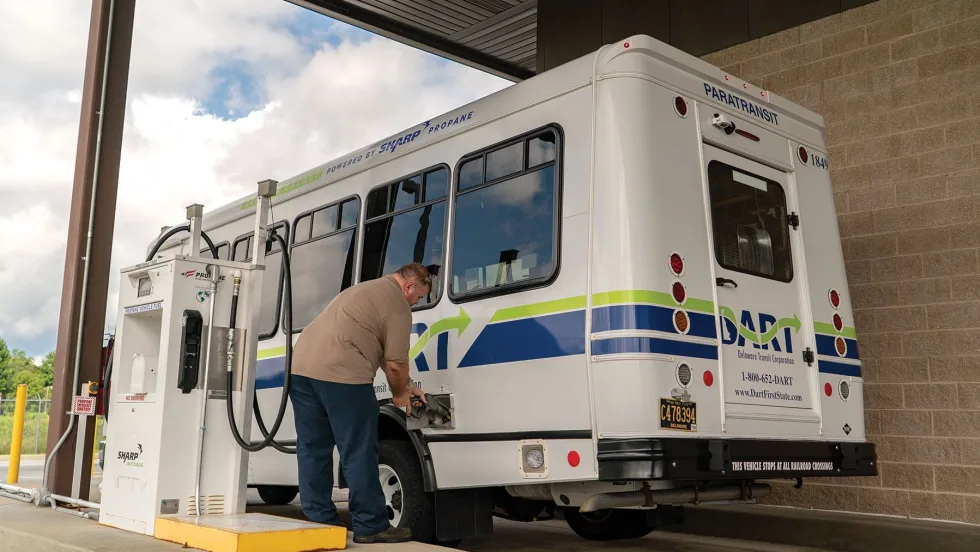
Building a Winning FTA Grant Proposal: Why Propane Autogas is the Pragmatic Choice for Fleet Resilience
With $610 million available through the FY 2026 Buses and Bus Facilities Competitive Program and the Low or No Emission Grant Program, agencies must build a compelling case before the September 21 deadline that balances environmental compliance with operational feasibility.
Read More →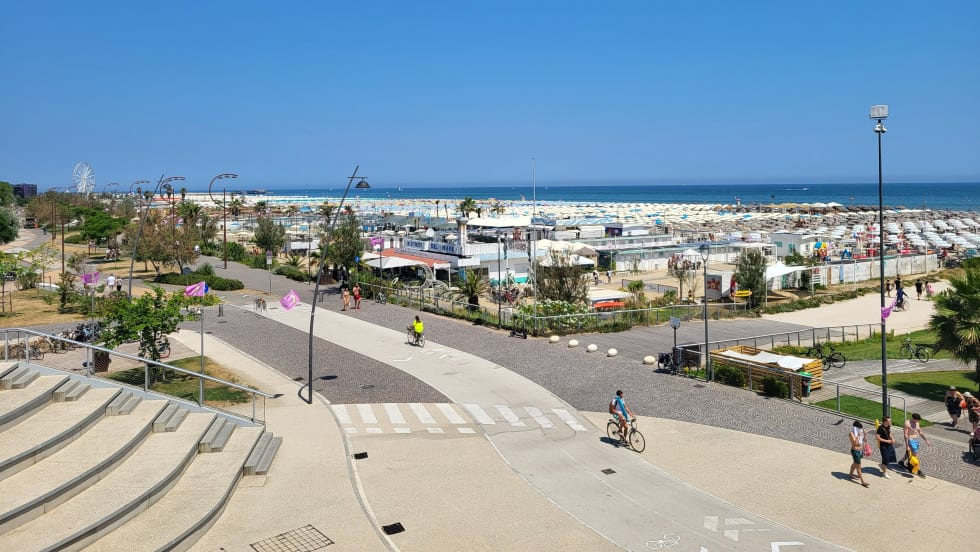
Velo-city Conference 2026: Latest Trends in Cycling as Part of Urban Mobility
The global cycling conference highlighted how cities are integrating bicycles into multimodal transportation networks, expanding cycle tourism and reshaping urban mobility.
Read More →
Kindness Isn’t Soft...It’s Strategic.
Mike Bismeyer — often known as “The Kindness Guy” — has spent more than 17 years in public transit and mobility, serving in industry leadership roles, speaking across North America, and advocating for stronger workplace cultures. But his message doesn’t come from theory. It comes from lived experience.
Read More →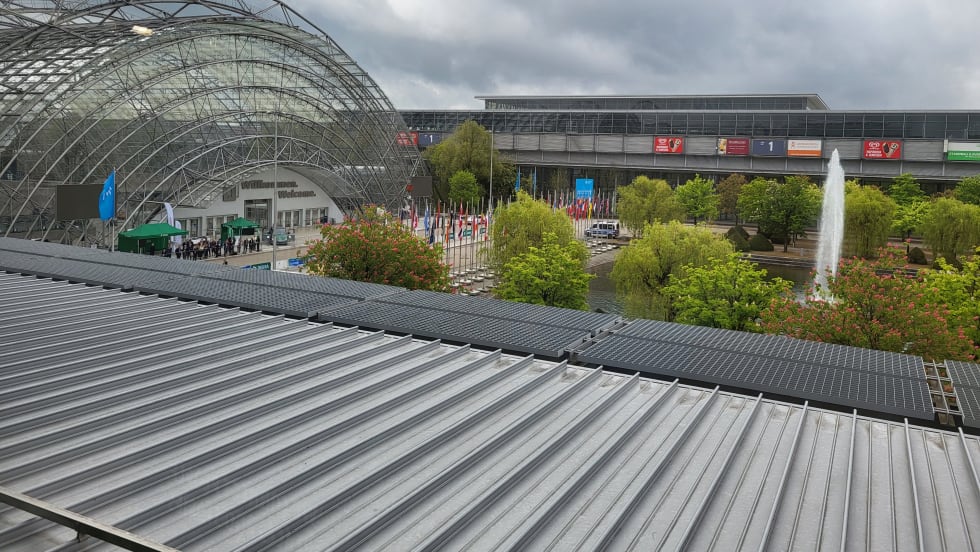
Inside ITF 2026: Transport Reacts to A Challenging World
Transport leaders from around the world gathered in Leipzig, Germany, for the 2026 International Transport Forum to discuss resilience, climate impacts, supply chains and the future of sustainable mobility.
Read More →
Every Ride Tells a Story — But You’re Not Just Selling the Ride
You’re selling the moment, the meaning, and the emotion behind it.
Read More →
How Digital Signage is Reshaping the Traveler Experience at Transportation Hubs
What was once a landscape of static signs has evolved into a responsive, immersive environment powered by real-time visual communication.
Read More →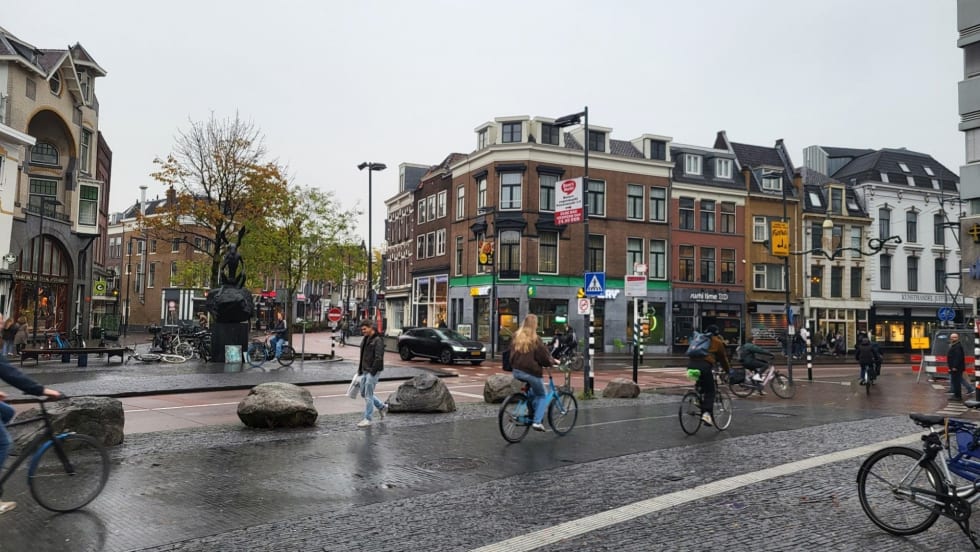
Latest Trends in Urban Mobility from Polis Conference 2025
Polis comprises cities and regions, as well as corporate partners, from across Europe, promoting the development and implementation of sustainable mobility. This year’s event had over a thousand attendees across various policy forums and an exhibition.
Read More →
Why Transit Leaders Require Better Tools for Operational Clarity In Today’s Tech-Fragmented Environment
Across North America and beyond, transit agency officials are contending with a perfect storm of operational headaches and strategic challenges that hamper daily service and long-term progress.
Read More →
The Powerless Brokers: Why California Can’t Build Transit
It is no secret that transit in the U.S. is slow and expensive to build.
Read More →
Why Transport Sustainability Should Focus on People Instead of Cars
Simply incentivizing electrification is not enough to make a meaningful impact; we must shift our focus toward prioritizing public transportation and infrastructure.
Read More →