



OCTA CEO: The coveted 'quiet zone'
This month in Orange County, Calif., one of the nation’s most comprehensive rail safety enhancement programs ushers in a new era of silence around our railroad tracks. The program is in direct response to the concerns of residents who have been experiencing an increase in rail traffic and the corresponding noise that comes from federal safety requirements.
“I hear the train a coming, it’s rolling round the bend and I ain’t seen sunshine since I don’t know when …” -"Folsom Prison Blues"
The famous song by Johnny Cash sums things up pretty well for thousands of residents who can’t remember the last time their sleep wasn’t interrupted by a freight train rumbling through the neighborhood blowing its horn in the middle of the night.
That tune is changing in Orange County, as this month one of the nation’s most comprehensive rail safety enhancement programs ushers in a new era of silence around our railroad tracks.
In recent years, Orange County’s commuter rail service has expanded, a positive sign as our freeways and streets become more congested. In addition, our rail lines provide a growing link to move goods out of the Ports of Los Angeles and Long Beach, the busiest in the nation.
This Orange County Transportation Authority (OCTA) program is in direct response to the concerns of residents, who have been experiencing an increase in rail traffic, and the corresponding noise that comes from federal safety requirements. By law, engineers must sound their horns up to four times when they approach a crossing. And when there are multiple crossings within a short distance of each other, it can sound as if the horn is continuously blasting.
OCTA has taken a proactive approach to addressing the issue of noise by initiating the rail safety enhancement program.
The program has a dual advantage for Orange County. Most importantly, it improves safety at 50 crossings throughout the county by upgrading and updating warning devices, coordinating traffic signals, adding additional gate arms, extending medians and adding pedestrian gates. While these enhancements deter and prevent pedestrians and motorists from breaking the law, they are coupled with a robust public outreach campaign to raise awareness about how to be safe along the tracks. With more than 650 people killed in the U.S. last year on railroad tracks, this is an essential component.
Enhancing the safety infrastructure allows the cities with the crossings to apply for quiet zone status with the Federal Railroad Administration once construction is complete. Implementing quiet zones means that trains will only sound their horns if the engineer believes it necessary for safety reasons or the train is traveling through an area with construction.
OCTA worked collaboratively with eight cities in the county where there are at-grade rail crossings. We established cooperative agreements with each city and are funding 88 percent of construction, with the individual cities contributing 12 percent. The $85 million program is being funded through Measure M2, Orange County’s voter-approved half-cent sales tax for transportation improvements administered by OCTA.
Of the eight cities involved in the program, Orange and part of Anaheim, both of which include more than 10 crossings through the heart of their cities, have been granted quiet zone status as of February 24.
This is a significant milestone for the cities that partnered with OCTA on this program designed to improve safety and bring relief to residents. Construction is continuing on the remaining crossings with completion anticipated by the end of this year.
As freight rail increases and transit-oriented developments continue to emerge in many parts of the country, it’s critical that public transit agencies are taking positive steps to increase safety for those who live in our communities. In addition, as we look to our residents to support and utilize increased commuter rail, it is incumbent upon us to minimize the impacts on their communities.
We can’t afford to have our residents singing the blues.
In case you missed it...
Read our METRO blog, "Public transportation to the rescue," here.
More Blog Posts
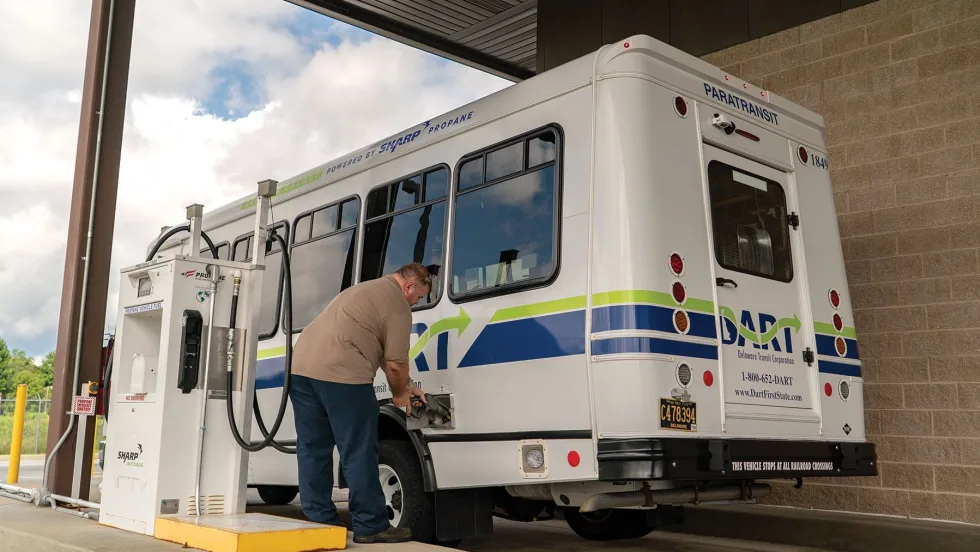
Building a Winning FTA Grant Proposal: Why Propane Autogas is the Pragmatic Choice for Fleet Resilience
With $610 million available through the FY 2026 Buses and Bus Facilities Competitive Program and the Low or No Emission Grant Program, agencies must build a compelling case before the September 21 deadline that balances environmental compliance with operational feasibility.
Read More →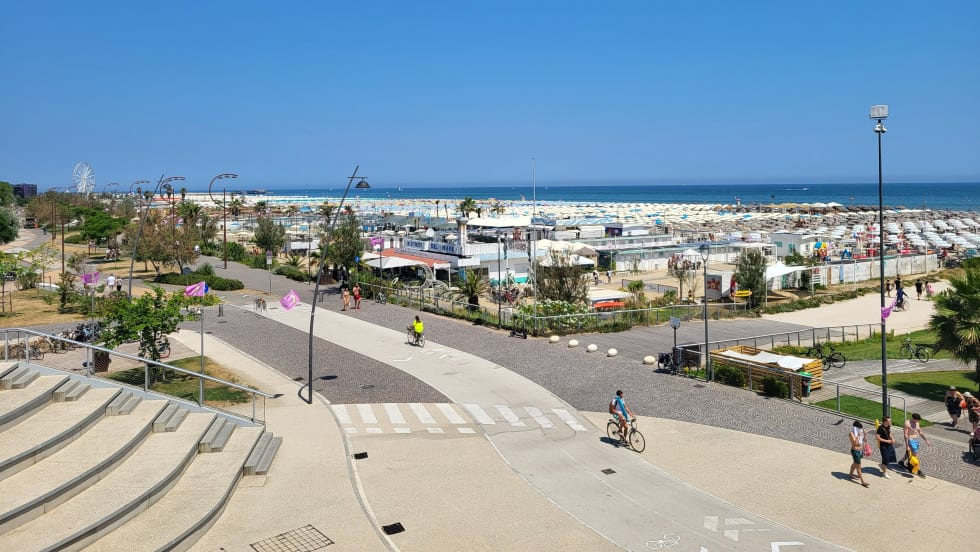
Velo-city Conference 2026: Latest Trends in Cycling as Part of Urban Mobility
The global cycling conference highlighted how cities are integrating bicycles into multimodal transportation networks, expanding cycle tourism and reshaping urban mobility.
Read More →
Kindness Isn’t Soft...It’s Strategic.
Mike Bismeyer — often known as “The Kindness Guy” — has spent more than 17 years in public transit and mobility, serving in industry leadership roles, speaking across North America, and advocating for stronger workplace cultures. But his message doesn’t come from theory. It comes from lived experience.
Read More →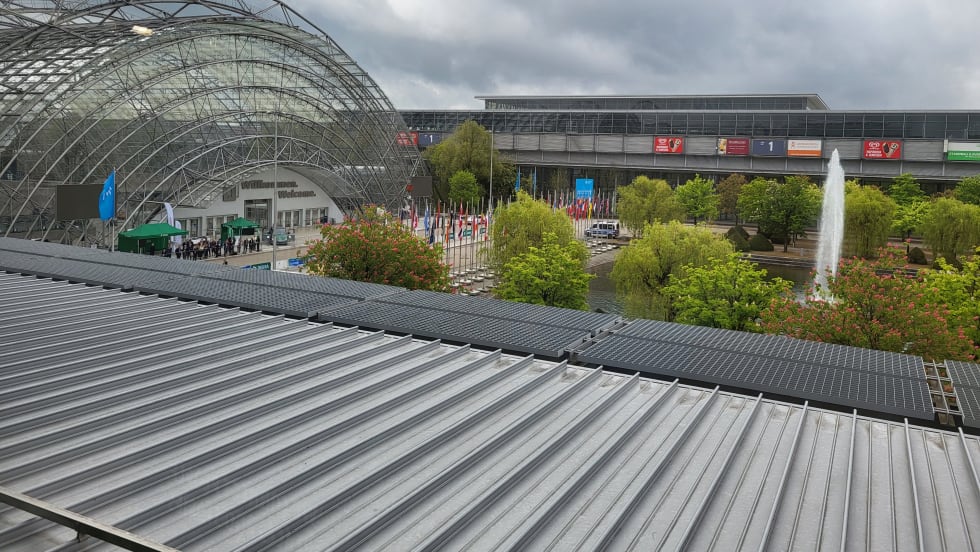
Inside ITF 2026: Transport Reacts to A Challenging World
Transport leaders from around the world gathered in Leipzig, Germany, for the 2026 International Transport Forum to discuss resilience, climate impacts, supply chains and the future of sustainable mobility.
Read More →
Every Ride Tells a Story — But You’re Not Just Selling the Ride
You’re selling the moment, the meaning, and the emotion behind it.
Read More →
How Digital Signage is Reshaping the Traveler Experience at Transportation Hubs
What was once a landscape of static signs has evolved into a responsive, immersive environment powered by real-time visual communication.
Read More →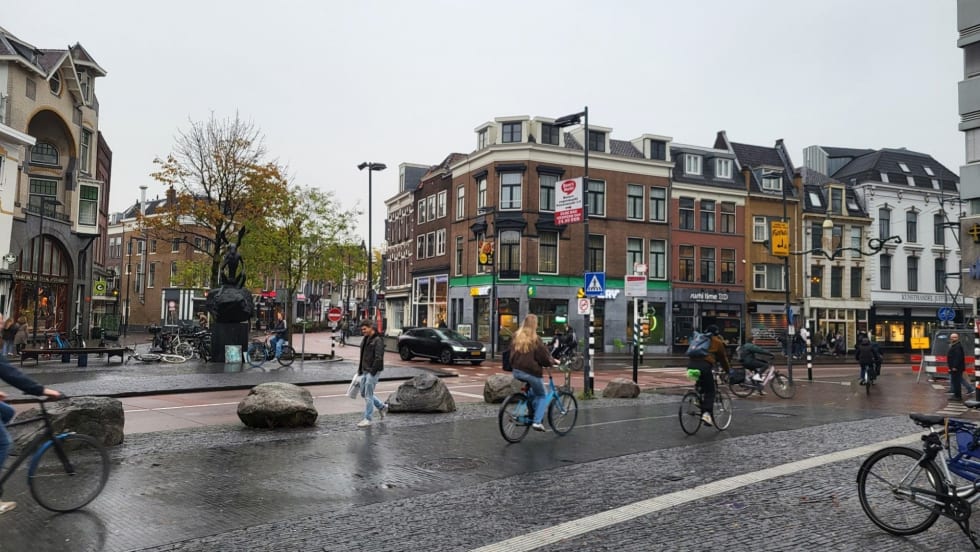
Latest Trends in Urban Mobility from Polis Conference 2025
Polis comprises cities and regions, as well as corporate partners, from across Europe, promoting the development and implementation of sustainable mobility. This year’s event had over a thousand attendees across various policy forums and an exhibition.
Read More →
Why Transit Leaders Require Better Tools for Operational Clarity In Today’s Tech-Fragmented Environment
Across North America and beyond, transit agency officials are contending with a perfect storm of operational headaches and strategic challenges that hamper daily service and long-term progress.
Read More →
The Powerless Brokers: Why California Can’t Build Transit
It is no secret that transit in the U.S. is slow and expensive to build.
Read More →
Why Transport Sustainability Should Focus on People Instead of Cars
Simply incentivizing electrification is not enough to make a meaningful impact; we must shift our focus toward prioritizing public transportation and infrastructure.
Read More →