



SEPTA bids farewell to retiring locomotives, welcomes the new
When 2018 came to a close, SEPTA did more than say goodbye to the old year, the agency also bid farewell to its AEM-7 locomotives.

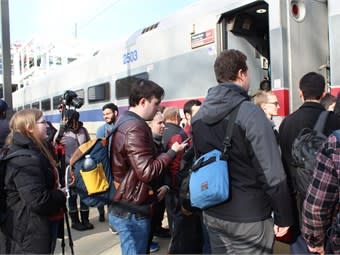
SEPTA gave rail enthusiasts the opportunity to take one last excursion on its AEM-7 locomotives before it was officially pulled from the Authority’s fleet. Photo: SEPTA
When 2018 came to a close, the Southeastern Pennsylvania Transportation Authority (SEPTA) did more than say goodbye to the old year — the agency also bid farewell to its AEM-7 locomotives. But instead of simply pulling the locomotives out of service (which were in use for over 30 years on SEPTA’s commuter rail lines), SEPTA gave rail enthusiasts the opportunity to take one last excursion before the equipment is officially pulled from the Authority’s fleet.
“These locomotives have logged thousands of miles for us since the 1980s,” said SEPTA Assistant GM of Customer Experience and Advocacy Kim Scott Heinle. “We have a very robust and loyal rail enthusiast following and it was important for us to allow them to have one last AEM-7 ride.”
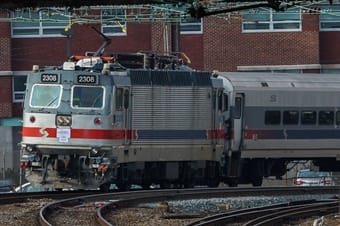
When 2018 came to a close, the Southeastern Pennsylvania Transportation Authority said goodbye to its AEM-7 locomotives.Photo: Sean Kardon
In early December, approximately 250 rail enthusiasts and the public boarded the special six-car train in Paoli, Pennsylvania — located west of Philadelphia along the Authority’s Paoli-Thorndale Line — to travel to downtown Philadelphia and back.
“Customers were taking photos and videos to commemorate the trip,” said Heinle. “It was a special day for passengers and for our employees, some of whom have been here since the locomotives first went into service.”
Mike Kish, maintenance manager at SEPTA’s Frazer Shop, is one of those employees. “I have been with SEPTA for over 32 years and I saw the AEM-7s arrive and have worked on them for most of my career,” he said. “Like all new equipment, the AEM-7s were a challenge in the beginning as we learned new systems and figured out how best to make repairs. As far as their retirement, it is somewhat bittersweet as I will miss the old locos but look forward to learning a whole new engine with the ACS-64s.”
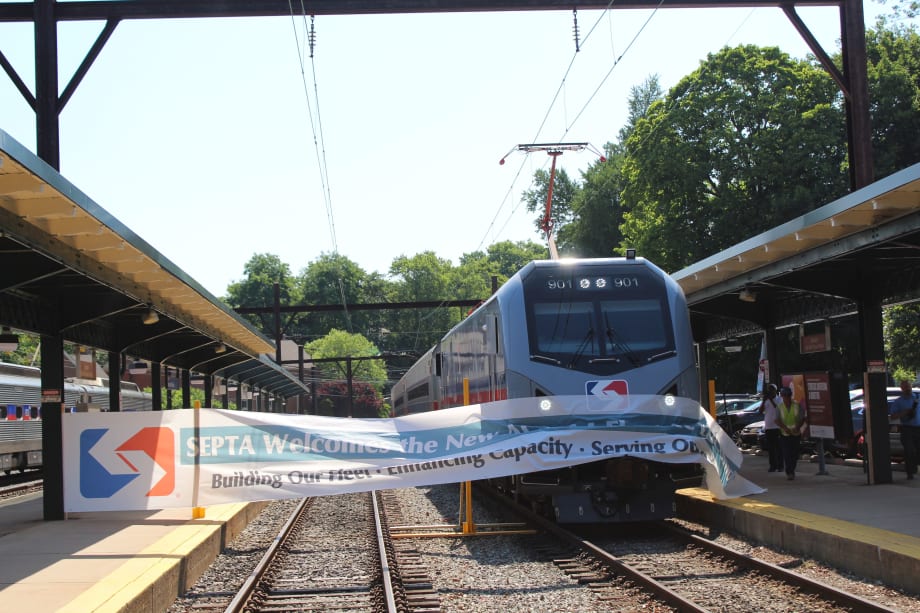
In addition to offering the opportunity to pay tribute to the retiring locomotives, SEPTA invited rail enthusiasts to welcome its new Siemens ACS-64 electric locomotives. When the first of the 15 new locomotives went into revenue service in July 2018, the Authority held a dedication celebrating, complete with the locomotive #901 breaking through a banner. At its annual Rail Roadeo in October, SEPTA allowed rail enthusiasts to board a stationery train, even taking in the view from the engineer’s cabin.
“Even though there is a feeling of nostalgia about the retirement of the AEM-7s, we are even more excited to have the new, technologically-advanced locomotives in service,” said Heinle. “We are looking forward to them being a part of our fleet for many years to come."
Heather Redfern is the Public Information Manager for the Southeastern Pennsylvania Transportation Authority.
More Blog Posts
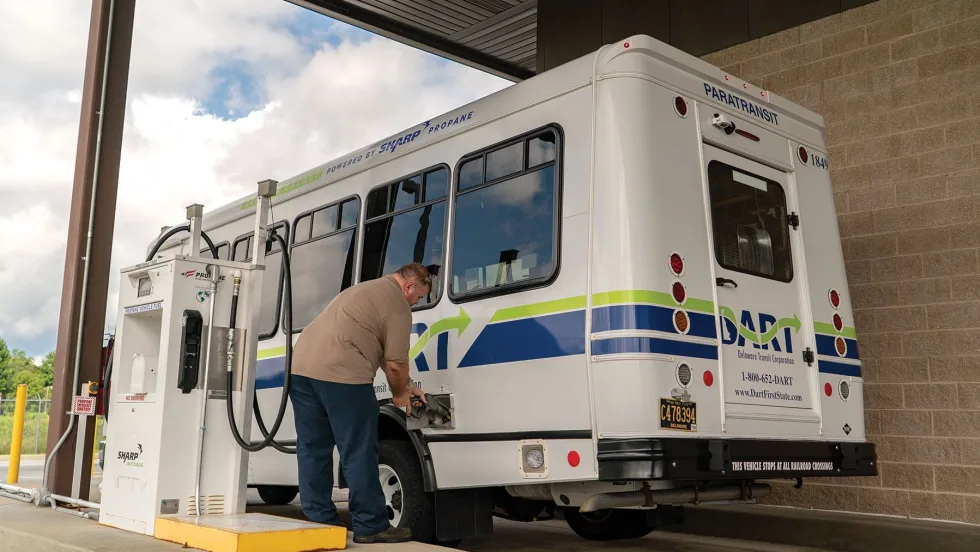
Building a Winning FTA Grant Proposal: Why Propane Autogas is the Pragmatic Choice for Fleet Resilience
With $610 million available through the FY 2026 Buses and Bus Facilities Competitive Program and the Low or No Emission Grant Program, agencies must build a compelling case before the September 21 deadline that balances environmental compliance with operational feasibility.
Read More →
Velo-city Conference 2026: Latest Trends in Cycling as Part of Urban Mobility
The global cycling conference highlighted how cities are integrating bicycles into multimodal transportation networks, expanding cycle tourism and reshaping urban mobility.
Read More →
Kindness Isn’t Soft...It’s Strategic.
Mike Bismeyer — often known as “The Kindness Guy” — has spent more than 17 years in public transit and mobility, serving in industry leadership roles, speaking across North America, and advocating for stronger workplace cultures. But his message doesn’t come from theory. It comes from lived experience.
Read More →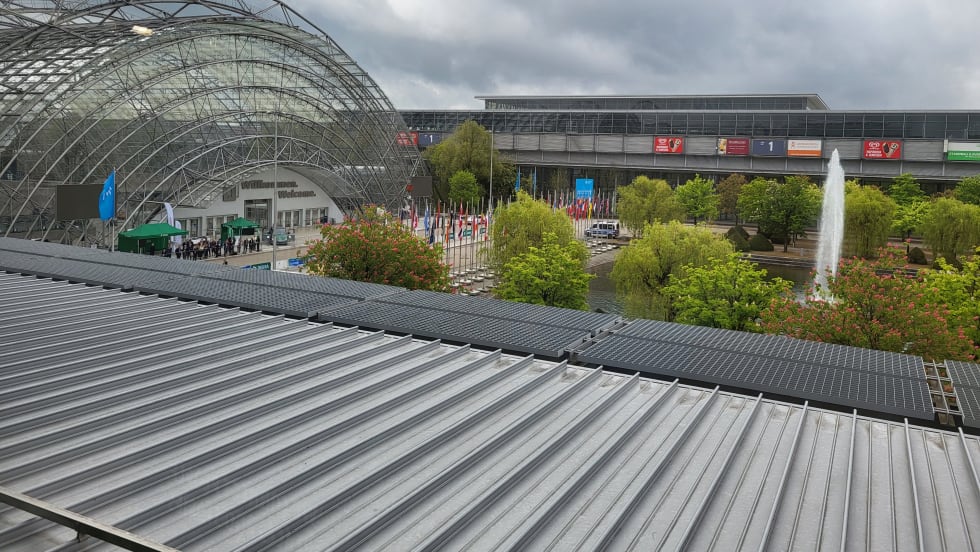
Inside ITF 2026: Transport Reacts to A Challenging World
Transport leaders from around the world gathered in Leipzig, Germany, for the 2026 International Transport Forum to discuss resilience, climate impacts, supply chains and the future of sustainable mobility.
Read More →
Every Ride Tells a Story — But You’re Not Just Selling the Ride
You’re selling the moment, the meaning, and the emotion behind it.
Read More →
How Digital Signage is Reshaping the Traveler Experience at Transportation Hubs
What was once a landscape of static signs has evolved into a responsive, immersive environment powered by real-time visual communication.
Read More →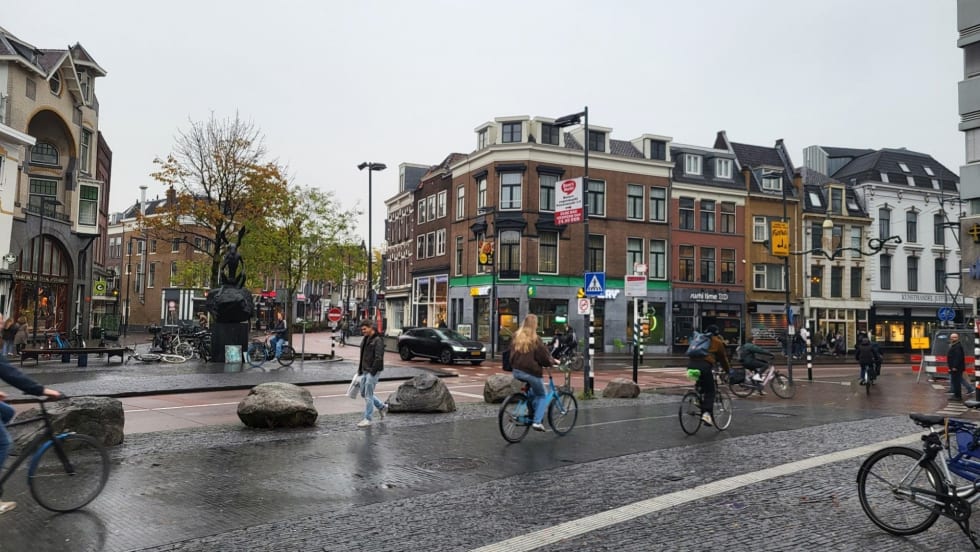
Latest Trends in Urban Mobility from Polis Conference 2025
Polis comprises cities and regions, as well as corporate partners, from across Europe, promoting the development and implementation of sustainable mobility. This year’s event had over a thousand attendees across various policy forums and an exhibition.
Read More →
Why Transit Leaders Require Better Tools for Operational Clarity In Today’s Tech-Fragmented Environment
Across North America and beyond, transit agency officials are contending with a perfect storm of operational headaches and strategic challenges that hamper daily service and long-term progress.
Read More →
The Powerless Brokers: Why California Can’t Build Transit
It is no secret that transit in the U.S. is slow and expensive to build.
Read More →
Why Transport Sustainability Should Focus on People Instead of Cars
Simply incentivizing electrification is not enough to make a meaningful impact; we must shift our focus toward prioritizing public transportation and infrastructure.
Read More →