



Shared Mobility & MaaS in 2021-22: Four Trends and Predictions
As 2020 drew to a close and COVID set in, the dust began to settle on the “gold rush” that was shared mobility over the past few years. Reality began to set in, and the collective hangover we’ve all been experiencing made us start to question where we are, and where we’re going.


Getty Images/pixdeluxe
As 2020 drew to a close and COVID set in, the dust began to settle on the “gold rush” that was shared mobility over the past few years. Reality began to set in, and the collective hangover we’ve all been experiencing made us start to question where we are, and where we’re going.
Boyd Cohen, CEO of Iomob, recently took the long view of mobility in his article, “3 Mobility Paradigms 2020–2030.” His was a forecast of the decade to come, where he focuses on the following three stages: Mobility 1.0 — Tech driven, car-centric; Mobility 2.0 — Technology-enabled, city-led; and Mobility 3.0 —Human & Planet Centric.
In the spirit of looking ahead, I will offer a bit more near term and localized view of the years ahead in 2021-22. While this is an exciting time, there will of course be winners and losers in the industry. Therefore it is important to learn from past experiences to better position cities and people at the center of the mobility ecosystem.
As briefly mentioned in a previous article “Toward an Open B2B/B2G MaaS Marketplace,” I expand below on each of the four biggest trends and predictions in shared mobility for 2021-22:
1. Increasing Emphasis on the Public Sector in the Mobility Ecosystem - Shared mobility has gone through growing pains and disruption over the past few years. With this has seen a growing tension between the public and private sectors over who controls the ecosystem. This control takes the form of operations, data, customer service, monetization, and integration. As seen first with ridehail (TNCs), and second with micromobility (MSPs), the “ask for forgiveness instead of permission” business model simply doesn’t work anymore.
Cities in Europe began to see how the North American laissez faire model posed a direct threat to PTAs and their reason for existence and put-up regulatory mechanisms that prevented TNCs and MSPs from running roughshod. Now, even North American cities have taken a more concerted approach to dealing with operators, and it is understood (as a cost of doing business) that cities and PTAs play a primary role in the orchestration of shared mobility services.
The wild west of shared mobility is over, and collaboration matters. This was a theme of a previous article titled, “Collaboration Matters: How Mobility Providers and Governments Can Achieve Better Outcomes.”
2. B2C MaaS Aggregators Pivot to B2B/B2G Business Models - MaaS aggregators traditionally set up shop by lightly integrating as many TNCs and MSPs as humanly possible. While this is great and all, their entire business models were built on a Business-to-Consumer (B2C) approach. The B2C model incorporates revenue streams based upon user acquisition. However, user acquisition is a tough nut to crack, figuratively speaking. It requires massive app-centric KPIs, supported by dedicated and resource-intensive marketing staff, to constantly boost revenue through clicks, bookings, registrations, and subscriptions.
However, think about it. How many commercial agreements need to be set up between individual MSPs and MaaS aggregators to share revenue through user acquisition, and what does this translate to at the end of the day? Well it turns out, not very much. The profit margins are negative, and MaaS aggregators are looking for new sources of revenue.
Therefore, most aggregators (at least the ones that have a commercial-centric model) have pivoted and will continue to pivot towards building platforms and white label apps for B2B and B2G clients. By charging a SaaS fee directly to the client, the uncertainty of B2C revenue is eliminated, and the ability to better coordinate with MSPs for deep integration is opened up.
3. Increased Emphasis on Seamless, Door to Door Mobility for Modal Shift - MaaS has gone through many iterations and forms over the past few years. Even the very definition of MaaS seems to change on a regular basis. What has become clear is the consumers’ role and preference in the shared mobility ecosystem.
Namely, most MaaS platforms while offering deep integration and a full suite of services such as trip planning, navigation, ticketing, and payments, fail to deliver one key component. That is, how can a consumer seamlessly travel from door to door without having to juggle multiple apps and platforms as they travel and roam from city to city?
The ability for consumers to book a train, bus, plane from one city, arrive in the second city, and seamlessly connect from their origin to their destination without having to think twice is the “holy grail” in the mobility ecosystem.
4. Open Mobility Marketplaces that Serve Consumers & Cities vs Closed, Privatized Walled Gardens - Openness is the key in 2021. What we have noticed, even more intensely in North America, is a battle between open MaaS aggregation and closed walled gardens (primarily operated by TNCs).
This is about to change, as citizens and cities demand transparency and openness in the ability to connect and utilize shared mobility services. By emphasizing apps and platforms that allow for greater consumer choice, cities and PTAs will be best positioned to orchestrate public transport in a manner that is coordinated and effective.
Open mobility marketplaces are key to this trend. Walled gardens simply trap consumers (and their data) in a closed, curated ecosystem. This results in lack of transparency, ability to fully choose and compare mobility options, and barriers to the direct customer relationship on the part of PTAs. While privatized walled gardens will remain prevalent for some time in North America, they are failing to gain traction in Europe, and the trend towards openness and cooperation will only continue to expand.
More Blog Posts
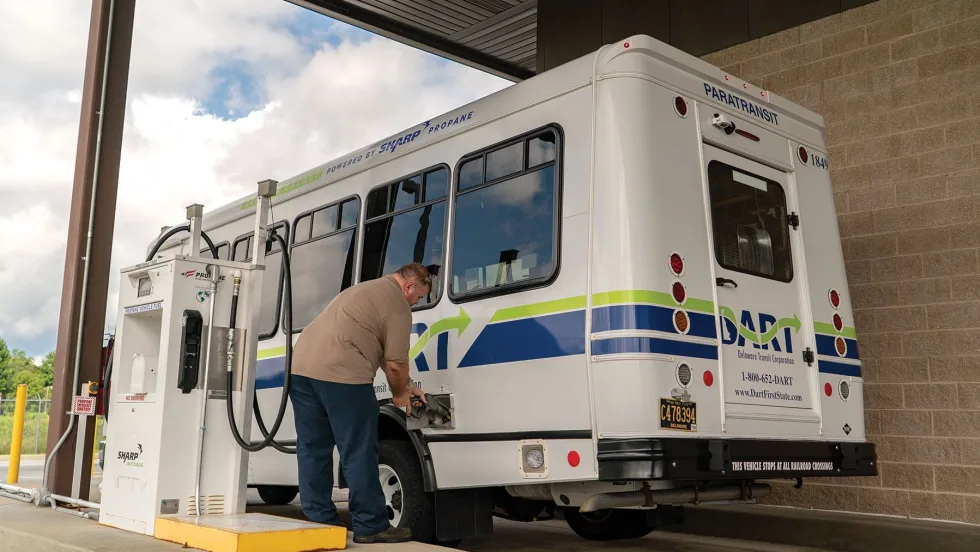
Building a Winning FTA Grant Proposal: Why Propane Autogas is the Pragmatic Choice for Fleet Resilience
With $610 million available through the FY 2026 Buses and Bus Facilities Competitive Program and the Low or No Emission Grant Program, agencies must build a compelling case before the September 21 deadline that balances environmental compliance with operational feasibility.
Read More →
Velo-city Conference 2026: Latest Trends in Cycling as Part of Urban Mobility
The global cycling conference highlighted how cities are integrating bicycles into multimodal transportation networks, expanding cycle tourism and reshaping urban mobility.
Read More →
Kindness Isn’t Soft...It’s Strategic.
Mike Bismeyer — often known as “The Kindness Guy” — has spent more than 17 years in public transit and mobility, serving in industry leadership roles, speaking across North America, and advocating for stronger workplace cultures. But his message doesn’t come from theory. It comes from lived experience.
Read More →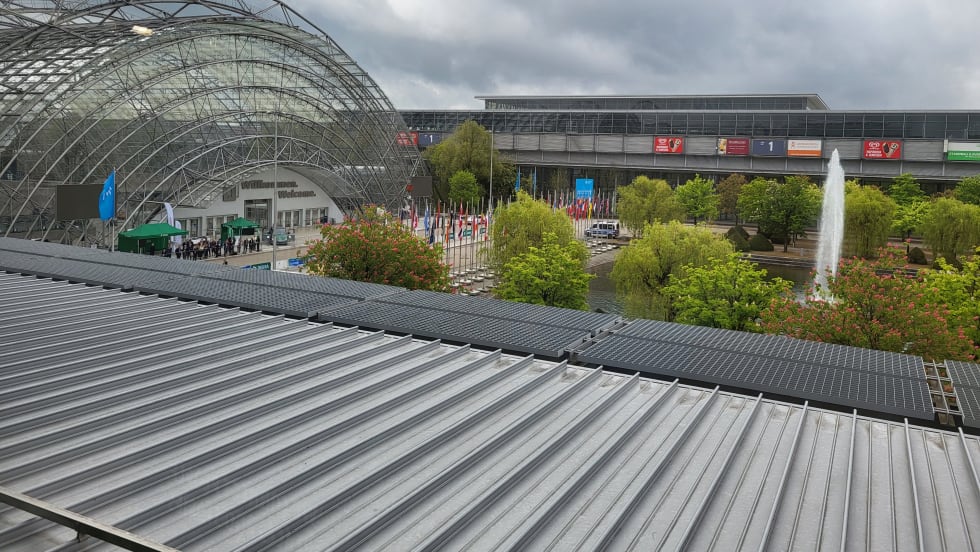
Inside ITF 2026: Transport Reacts to A Challenging World
Transport leaders from around the world gathered in Leipzig, Germany, for the 2026 International Transport Forum to discuss resilience, climate impacts, supply chains and the future of sustainable mobility.
Read More →
Every Ride Tells a Story — But You’re Not Just Selling the Ride
You’re selling the moment, the meaning, and the emotion behind it.
Read More →
How Digital Signage is Reshaping the Traveler Experience at Transportation Hubs
What was once a landscape of static signs has evolved into a responsive, immersive environment powered by real-time visual communication.
Read More →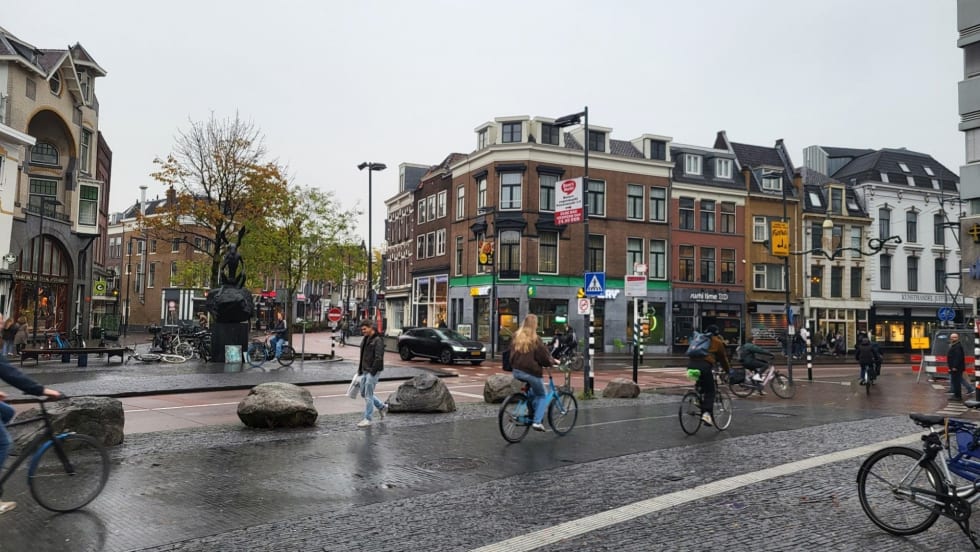
Latest Trends in Urban Mobility from Polis Conference 2025
Polis comprises cities and regions, as well as corporate partners, from across Europe, promoting the development and implementation of sustainable mobility. This year’s event had over a thousand attendees across various policy forums and an exhibition.
Read More →
Why Transit Leaders Require Better Tools for Operational Clarity In Today’s Tech-Fragmented Environment
Across North America and beyond, transit agency officials are contending with a perfect storm of operational headaches and strategic challenges that hamper daily service and long-term progress.
Read More →
The Powerless Brokers: Why California Can’t Build Transit
It is no secret that transit in the U.S. is slow and expensive to build.
Read More →
Why Transport Sustainability Should Focus on People Instead of Cars
Simply incentivizing electrification is not enough to make a meaningful impact; we must shift our focus toward prioritizing public transportation and infrastructure.
Read More →