



The Driver Shortage Isn't Slowing Down
Today, fresh data paints an even bleaker picture. Here, I’ll explain the repercussions behind the accelerating statistics that threatens essential transport services on both sides of the Atlantic.

In the U.S., a 2022 report by the American Public Transportation Association revealed that 71% of 117 transit agencies were forced to delay or cut services due to staffing shortages.
Photo: Canva
- New data reveals a worsening driver shortage that impacts vital transport services.
- The shortage affects transportation sectors on both sides of the Atlantic.
- Accelerating statistics highlight the urgency of addressing this growing challenge.
*Summarized by AI
When we last examined the growing bus and coach driver shortage back in 2022, the issue was of great concern.
Today, fresh data paints an even bleaker picture. Here, I’ll explain the repercussions behind the accelerating statistics that threatens essential transport services on both sides of the Atlantic.
Impact of Driver Shortage
Before the most recent statistics were published, the gravity of the driver shortage was already clear.
In the U.S., a 2022 report by the American Public Transportation Association (APTA) revealed that 71% of 117 transit agencies were forced to delay or cut services due to staffing shortages.
The same report highlighted that 92% of agencies faced significant challenges in hiring new employees, particularly for bus operation positions. Retention rates were equally concerning, with 66% of agencies reporting difficulties keeping their workforce intact.
Europe and the UK face similar challenges, with the Confederation of Passenger Transport (CPT) highlighting significant bus driver shortages in the UK, with nearly one in 10 positions vacant, leading to reduced services, especially in rural areas.
Competing with higher-paying sectors like heavy goods vehicle (HGV) driving adds an extra layer of complexity too, with the prospect of bus drivers transitioning to HGV roles.
To address their own driver shortages, fleet operators have increased wages and offered better incentives, luring drivers away from public transport.
New European Data
Fast-forward to today, and a joint letter from International Road Transport Union (IRU), together with the International Association of Public Transport and the European Passenger Transport Operators, paints an even bleaker picture.
In the European Union, public transport faces an acute driver shortage, with over 105,000 bus and coach positions currently unfilled.
The demographic challenges remain here too. With the average age of drivers still at 50 and less than 3% under 25, the pipeline of new talent is insufficient to replace retirees. If these trends continue, the sector could see 275,000 unfilled positions by 2028.
Responding to a looming retirement wave for the sector, the IRU and other transport organizations have called on EU lawmakers to support amendments to the Driving License Directive. These amendments propose lowering the minimum age for professional bus drivers to 19 for those who obtain a Certificate of Professional Competence (CPC).
Additionally, lifting the 50-kilometer driving restriction for young drivers would open opportunities for newly qualified professionals to work on essential national and regional routes, helping to sustain vital public transport services.
While these proposals offer hope, they cannot solve such a large and growing problem without additional measures.
In the absence of swift action, public transport systems across Europe and the U.S. risk widespread disruption, especially in regional and urban areas where buses and coaches provide critical mobility links.
What Can be Done?
The driver shortage is a multifaceted problem that demands both immediate and long-term strategies.
As explained in our previous article on this topic, improving pay and working conditions remains a necessity, but competing with sectors offering higher wages, such as HGV driving, requires significant investment in the profession’s appeal.
Engineering innovations also offer an avenue for improvement. Better designed driver cabins, for instance, could enhance ergonomics and alleviate physical strain for drivers, addressing health issues like back pain and musculoskeletal disorders.
Adjustable, memory-equipped steering columns, allow for personalized driver settings, even in shift-based roles where multiple drivers share the same vehicle. These innovations contribute to a more supportive and appealing workplace environment.
Meanwhile, the electrification of buses provides an opportunity to modernize the sector.
Advances in battery placement, fast-charging infrastructure and alternative solutions like battery swapping could not only reduce emissions but also rebrand public transport as an innovative, forward-thinking industry that puts the environment first.
The Route to Take
The juxtaposition of old and new data states one truth — the bus driver shortage is no longer in cruise control, it’s accelerating.
Legislative reforms like the proposed amendments to the Driving License Directive are at least a step in the right direction.
By allowing young drivers aged 19 to 21 with a CPC to operate buses and coaches nationally, and removing the current 50-kilometer distance limit, these changes could enable young, professionally qualified drivers to work on essential routes. This would not only support service continuity but also make the sector more attractive to new entrants.
However, removing restrictions on younger drivers alone won’t solve the crisis. Improved working conditions, better pay and technological innovations are equally essential to addressing the root causes of the shortage.
This is further supported by our recent survey with the RMT Union, which gathered data from nearly 400 RMT members who were bus and coach drivers across the UK.
A key takeaway from the survey was that 95% of drivers felt they did not get the same consideration as office workers when it came to workplace ergonomic adjustments, despite 97% believing they ought to be treated the same.
And rightfully so. After all, what’s urban and regional mobility without public transport?
Devoid of a concerted effort to tackle the driver shortage, essential routes will face mounting disruptions, further straining already overstressed systems. The time to act is now, before the situation comes to a standstill.
Quick Answers
The driver shortage is worsening, with fresh data indicating a more severe impact on transport services both in the US and Europe.
*Summarized by AI
More Blog Posts
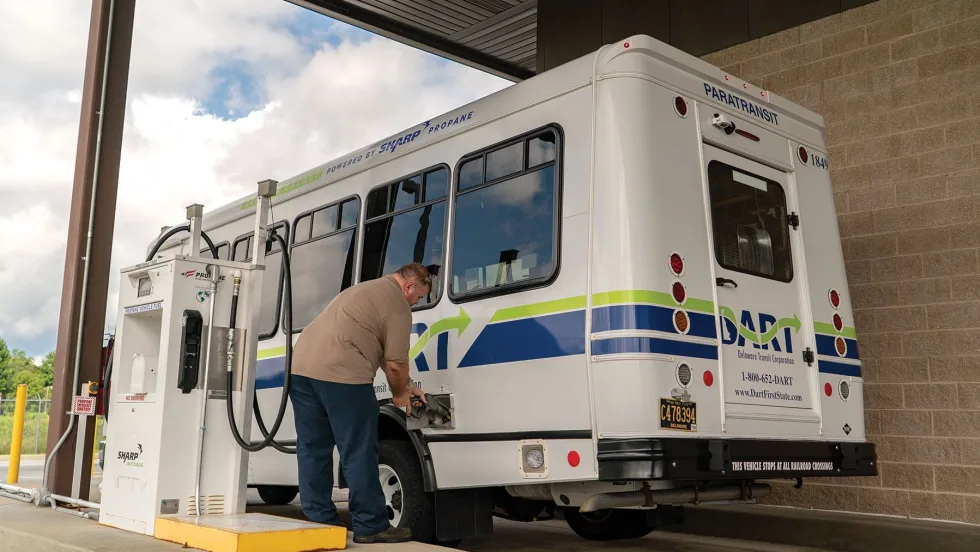
Building a Winning FTA Grant Proposal: Why Propane Autogas is the Pragmatic Choice for Fleet Resilience
With $610 million available through the FY 2026 Buses and Bus Facilities Competitive Program and the Low or No Emission Grant Program, agencies must build a compelling case before the September 21 deadline that balances environmental compliance with operational feasibility.
Read More →
Velo-city Conference 2026: Latest Trends in Cycling as Part of Urban Mobility
The global cycling conference highlighted how cities are integrating bicycles into multimodal transportation networks, expanding cycle tourism and reshaping urban mobility.
Read More →
Kindness Isn’t Soft...It’s Strategic.
Mike Bismeyer — often known as “The Kindness Guy” — has spent more than 17 years in public transit and mobility, serving in industry leadership roles, speaking across North America, and advocating for stronger workplace cultures. But his message doesn’t come from theory. It comes from lived experience.
Read More →
Inside ITF 2026: Transport Reacts to A Challenging World
Transport leaders from around the world gathered in Leipzig, Germany, for the 2026 International Transport Forum to discuss resilience, climate impacts, supply chains and the future of sustainable mobility.
Read More →
Every Ride Tells a Story — But You’re Not Just Selling the Ride
You’re selling the moment, the meaning, and the emotion behind it.
Read More →
How Digital Signage is Reshaping the Traveler Experience at Transportation Hubs
What was once a landscape of static signs has evolved into a responsive, immersive environment powered by real-time visual communication.
Read More →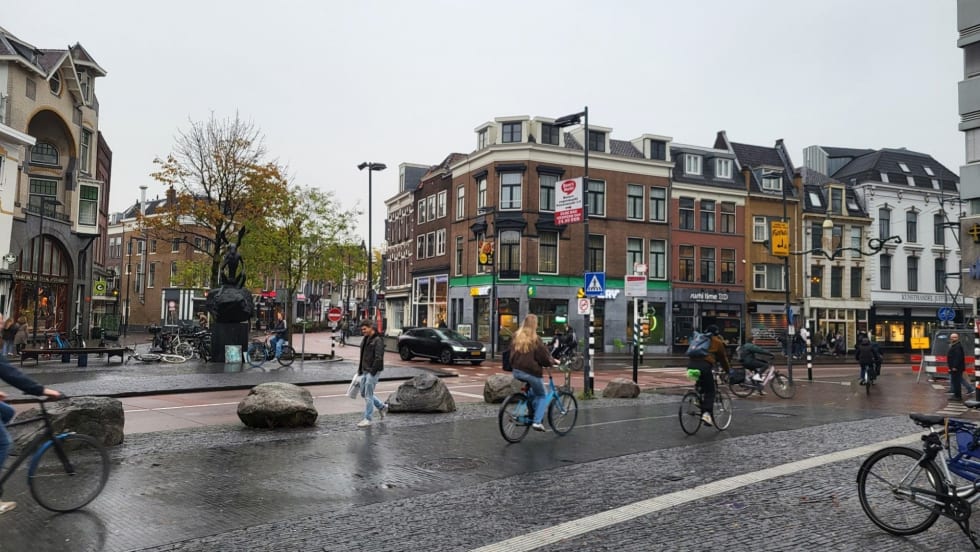
Latest Trends in Urban Mobility from Polis Conference 2025
Polis comprises cities and regions, as well as corporate partners, from across Europe, promoting the development and implementation of sustainable mobility. This year’s event had over a thousand attendees across various policy forums and an exhibition.
Read More →
Why Transit Leaders Require Better Tools for Operational Clarity In Today’s Tech-Fragmented Environment
Across North America and beyond, transit agency officials are contending with a perfect storm of operational headaches and strategic challenges that hamper daily service and long-term progress.
Read More →
The Powerless Brokers: Why California Can’t Build Transit
It is no secret that transit in the U.S. is slow and expensive to build.
Read More →
Why Transport Sustainability Should Focus on People Instead of Cars
Simply incentivizing electrification is not enough to make a meaningful impact; we must shift our focus toward prioritizing public transportation and infrastructure.
Read More →