



The Politics of Transit
Once again voters across America have expressed their support for public transit. This past November, approximately 80% of the transit initiatives on ballots across the country passed. The results were impressive by any measure, spread among large urban areas like Cincinnati and Seattle as well as smaller communities like Durham, N.C. and Vancouver, Wash. And, what is most impressive is this happened during what everyone agrees is still one of the most economically-challenging and uncertain time

Once again voters across America have expressed their support for public transit. This past November, approximately 80% of the transit initiatives on ballots across the country passed. The results were impressive by any measure, spread among large urban areas like Cincinnati and Seattle as well as smaller communities like Durham, N.C. and Vancouver, Wash. And, what is most impressive is this happened during what everyone agrees is still one of the most economically-challenging and uncertain times in our nation's history!
So the question is, why do we see so many local and state transit initiatives, which include bus, rail, streetcars and other improvements like high-speed rail, continue to pass, and yet, the support in Washington, D.C., seems to be disconnected from what is happening at home? If, as Tip O'Neil said, all politics is local, why has the overwhelming local support not translated into broad-based, non-partisan support in Washington?
One of the answers can be found in the politics of transit. Local initiatives pass because transit supporters get involved in politics. Each of these initiatives, to some extent, has to have a political campaign behind it. Local champions are identified, campaign contributions are raised, local transit board members and elected officials take political positions either in favor or against the initiative. Each campaign develops messages that resonate with voters; riders get engaged; and partnerships are formed between the business community, nonprofits, neighborhood groups and others. As in any political issue, people are forced to make a decision, get involved and held accountable for their positions.
However, the transit picture is different in Washington. While most interest groups continue to play politics in Washington on their issues, the transit industry seems to take the position that we can't play in the political arena since we have some higher public interest involved. The American Public Transportation Association (APTA), for example, does an excellent job of advocating for its public positions but does not have a political action committee (PAC). Unlike the railroad industry and others who have developed powerful national public marketing campaigns and messages to sway political opinion, the transit industry has done relatively little to develop a national political campaign. One exception to this was a series of "political" ads run by APTA last summer that featured Ronald Reagan and Bill Clinton clips, which did have an impact on getting the attention of key congressmen and helped move the debate on re-authorization. This relatively small campaign demonstrated how effective playing politics can be.
It is time to harness the unparalleled political support at the local and state levels for public transit into a national political campaign. The transit industry needs to play politics, utilizing every means available to make change happen in Washington. Just a few of the actions that are needed include:
Develop a national transit vision.
Identify national champions.
Create a PAC.
Fund a nationwide marketing program.
Implement a transit riders' social media political network.
Hire a campaign manager.
Develop partnerships to support the campaign.
This is not an effort targeted at re-authorization. It is a long term political strategy to ensure that public transit, in all its forms, becomes a major issue in Washington and attracts bi-partisan support for the next 20 years. Authorizations, then, just become periodic mechanisms by which to fund a long-term, stable and growing transit program.
As we have seen through the political successes at the local level, when bold, well-thought-out, transit political issues are put in front of voters, they will almost always vote to increase their taxes to support a better transportation system and choices for the future. It is time to take this proven political strategy for transit and apply it to Washington. If in fact all politics is local, the politics of transit is certainly a winner!
In case you missed it...
Read our METRO blog, "'Miracle on 34th Street" here.
More Blog Posts
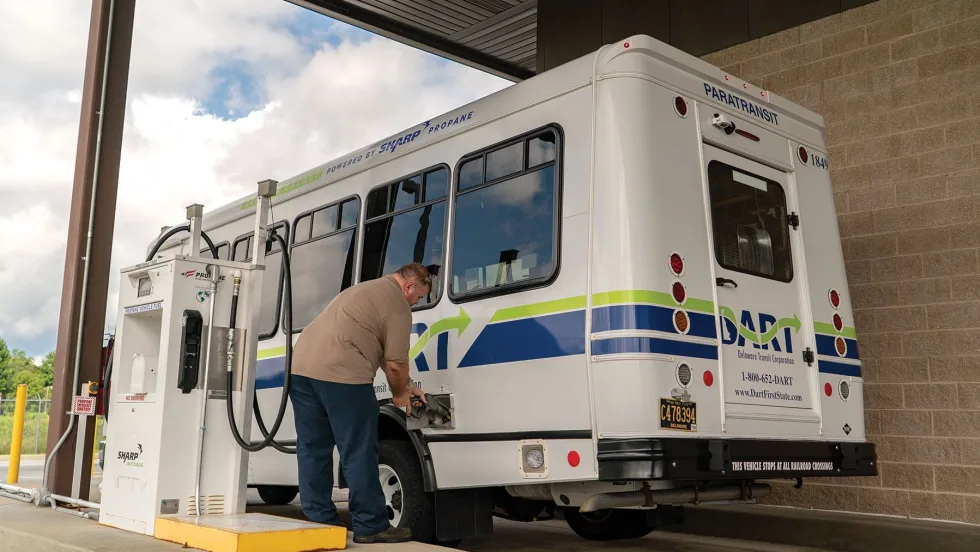
Building a Winning FTA Grant Proposal: Why Propane Autogas is the Pragmatic Choice for Fleet Resilience
With $610 million available through the FY 2026 Buses and Bus Facilities Competitive Program and the Low or No Emission Grant Program, agencies must build a compelling case before the September 21 deadline that balances environmental compliance with operational feasibility.
Read More →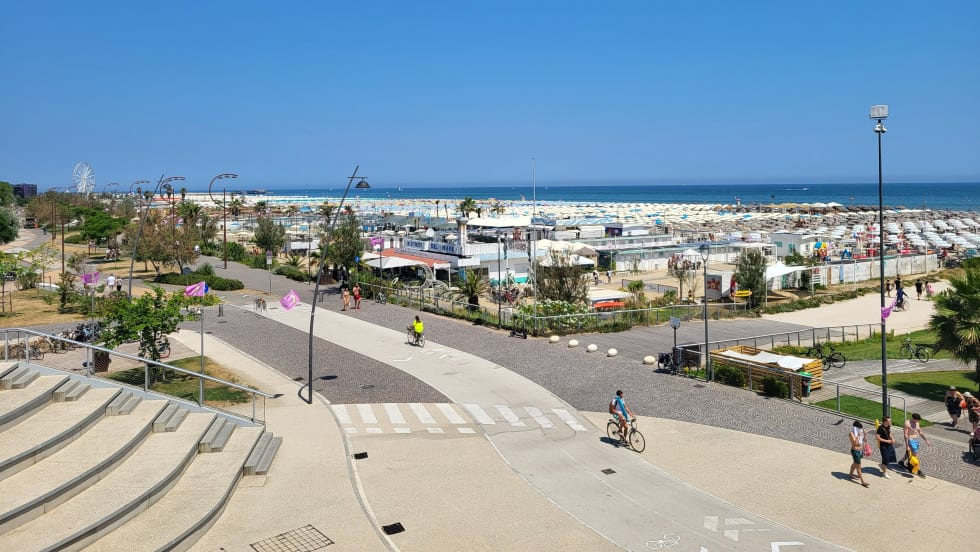
Velo-city Conference 2026: Latest Trends in Cycling as Part of Urban Mobility
The global cycling conference highlighted how cities are integrating bicycles into multimodal transportation networks, expanding cycle tourism and reshaping urban mobility.
Read More →
Kindness Isn’t Soft...It’s Strategic.
Mike Bismeyer — often known as “The Kindness Guy” — has spent more than 17 years in public transit and mobility, serving in industry leadership roles, speaking across North America, and advocating for stronger workplace cultures. But his message doesn’t come from theory. It comes from lived experience.
Read More →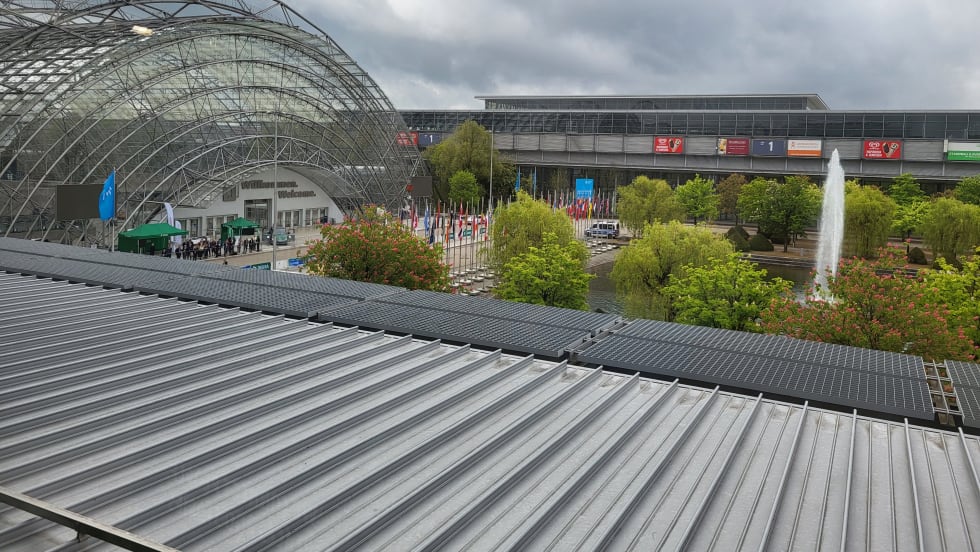
Inside ITF 2026: Transport Reacts to A Challenging World
Transport leaders from around the world gathered in Leipzig, Germany, for the 2026 International Transport Forum to discuss resilience, climate impacts, supply chains and the future of sustainable mobility.
Read More →
Every Ride Tells a Story — But You’re Not Just Selling the Ride
You’re selling the moment, the meaning, and the emotion behind it.
Read More →
How Digital Signage is Reshaping the Traveler Experience at Transportation Hubs
What was once a landscape of static signs has evolved into a responsive, immersive environment powered by real-time visual communication.
Read More →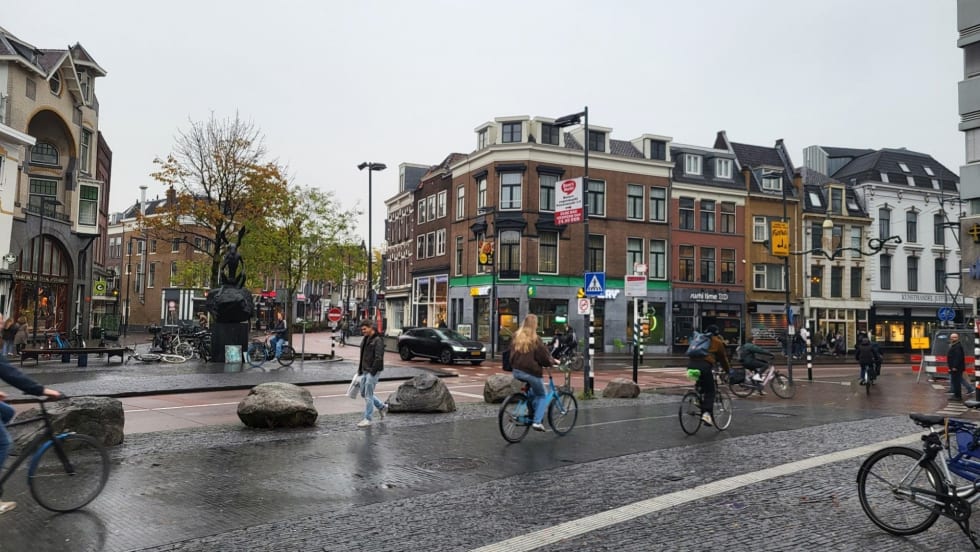
Latest Trends in Urban Mobility from Polis Conference 2025
Polis comprises cities and regions, as well as corporate partners, from across Europe, promoting the development and implementation of sustainable mobility. This year’s event had over a thousand attendees across various policy forums and an exhibition.
Read More →
Why Transit Leaders Require Better Tools for Operational Clarity In Today’s Tech-Fragmented Environment
Across North America and beyond, transit agency officials are contending with a perfect storm of operational headaches and strategic challenges that hamper daily service and long-term progress.
Read More →
The Powerless Brokers: Why California Can’t Build Transit
It is no secret that transit in the U.S. is slow and expensive to build.
Read More →
Why Transport Sustainability Should Focus on People Instead of Cars
Simply incentivizing electrification is not enough to make a meaningful impact; we must shift our focus toward prioritizing public transportation and infrastructure.
Read More →