



The Summer of Struggle on America’s Roads
How the pandemic has increased costs and poor conditions for car travel.


Getty/franckreporter
Summer 2021 is flying by. We are in the “dog days” of August, with travel across the U.S. skyrocketing. The low travel fares, previously seen this year and in late 2020, have seemingly evaporated with the summer heat, and roadways have become bottlenecked with heavy traffic, worse than pre-pandemic conditions.
Some transportation experts predicted we would emerge from quarantine with more traffic congestion than before the onset of the pandemic — an outcome attributed to changes on the roads. Flexible work schedules have made rush hours longer, and for those working from home, there are increasing weekday backups on local roads. As seen during the first half of the summer, stagnant international travel recovery has spurred more U.S. national road trips.
However, according to an April 2021 U.S. Travel Association Price Index, there has been a 9.5% year-over-year increase. There's also a 30.1% increase in transportation costs for the same period, due in part to rising gas prices and record demands for car rentals, which have sent prices sky-high. With surging levels of online shopping continuing and delivery trucks on the roads for the long haul, these indicators illustrate a long-standing dependence on cars and a negative impact to public transportation.
Somewhat unique to this year, is the increase in road traffic we are experiencing due to the post-pandemic return to work. In fact, under current circumstances, large cities like New York are weighing whether to institute congestion pricing policies to alleviate road snarls, while Washington, D.C. is hoping to revamp its budget, with room for adding priority bus lanes and expansion of its bikeshare program.
Therefore, now is an important time to remind people that use of public transportation contributes to the greater good of cutting down on environmentally harmful emissions and road congestion. As the national population returns to pre-COVID routines, and with more people getting vaccinated and safety protocols firmly established, we must consider whether personal vehicle usage is the right path forward.
Here are some benefits to using public transit:
Flexible Payment Options: for roadway operators, a unified customer experience may be the simplest way to achieve success by leveraging a common back office that integrates tolling and transit accounts, while reducing operational costs. For users, it means a single place to maintain and manage payment options, simplifying the overall travel experience.
Multiple Customer Service Channels: A system works best if it is available in the preferred method of interaction — and for a variety of user needs and abilities. Some customers may prefer in-person support, while many others may self-service through web or mobile apps.
Act on Transparency: Preferred customer engagement processes allows proactive, real-time engagement between customers and transportation providers through a mobile app. By linking congestion pricing, tolling, parking, traffic management, and public transit data, cities can better inform customers of real-time travel conditions, providing customers multiple options as they plan and undertake their door-to-door journeys.
Real-Time Crowding Information: Using cloud-based, real-time information and transport intelligence to deliver rich and contextual insights to multiple communications channels, so travelers can make informed decisions about transit options.
Mobility as a Service [MaaS]: Establishes an open ecosystem controlled by a public sector managing authority while allowing mobility service providers and MaaS operators access to deliver their commercial solutions and services.
Cubic is joining with public transit authorities, policymakers, and the private sector in making mobility more sustainable for a positive impact on our collective future. The needs of the many outweigh the needs of the few, and policies and solutions that create and promote transit-centric cities can improve quality of life. This summer, for those either returning to the workplace, or heading out on a road trip, we encourage everyone to prioritize the return to public transportation usage across the U.S.
Niosha Kayhani is director of Innovation at Cubic Corporation responsible for delivering impactful innovation to the public transport industry specifically focused on payments, user experience, accessibility, mobility-as-a-service, passenger flow management and security.
More Blog Posts
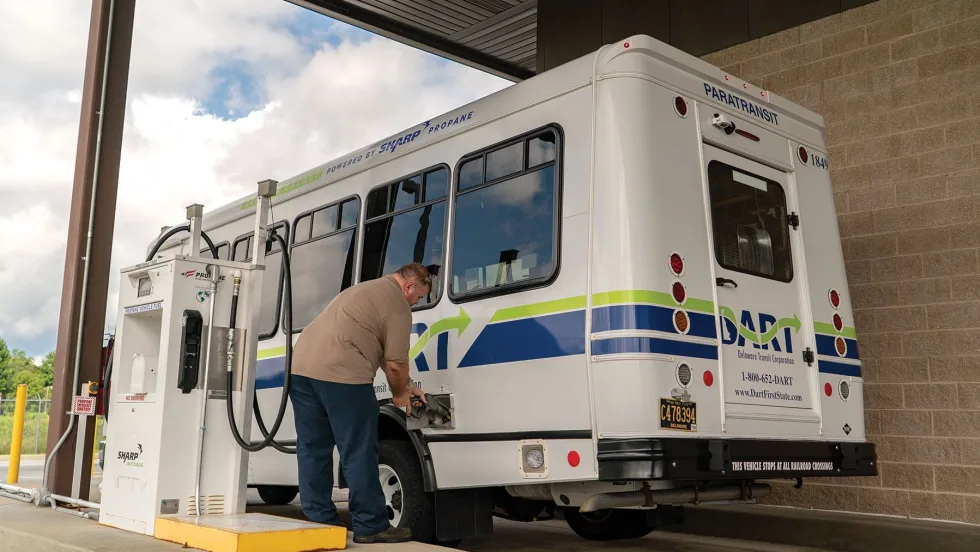
Building a Winning FTA Grant Proposal: Why Propane Autogas is the Pragmatic Choice for Fleet Resilience
With $610 million available through the FY 2026 Buses and Bus Facilities Competitive Program and the Low or No Emission Grant Program, agencies must build a compelling case before the September 21 deadline that balances environmental compliance with operational feasibility.
Read More →
Velo-city Conference 2026: Latest Trends in Cycling as Part of Urban Mobility
The global cycling conference highlighted how cities are integrating bicycles into multimodal transportation networks, expanding cycle tourism and reshaping urban mobility.
Read More →
Kindness Isn’t Soft...It’s Strategic.
Mike Bismeyer — often known as “The Kindness Guy” — has spent more than 17 years in public transit and mobility, serving in industry leadership roles, speaking across North America, and advocating for stronger workplace cultures. But his message doesn’t come from theory. It comes from lived experience.
Read More →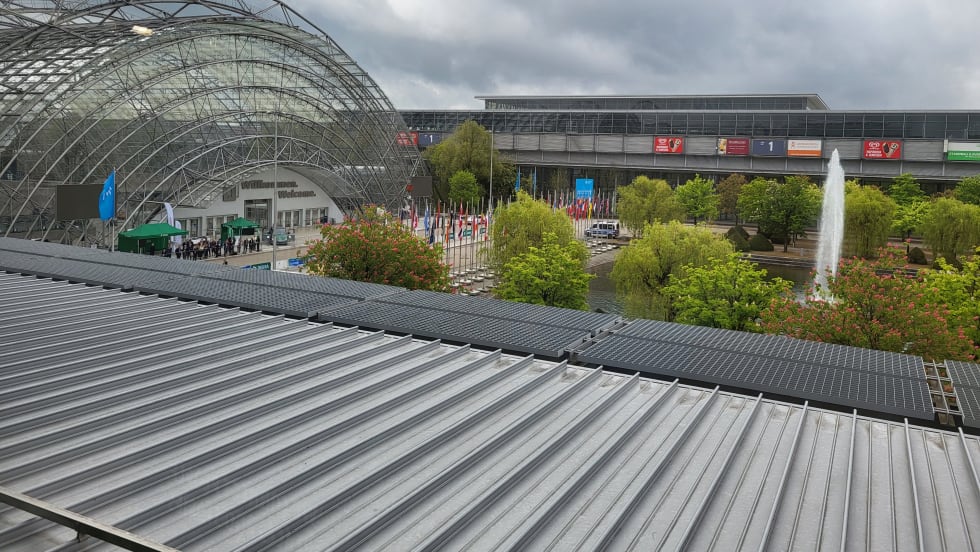
Inside ITF 2026: Transport Reacts to A Challenging World
Transport leaders from around the world gathered in Leipzig, Germany, for the 2026 International Transport Forum to discuss resilience, climate impacts, supply chains and the future of sustainable mobility.
Read More →
Every Ride Tells a Story — But You’re Not Just Selling the Ride
You’re selling the moment, the meaning, and the emotion behind it.
Read More →
How Digital Signage is Reshaping the Traveler Experience at Transportation Hubs
What was once a landscape of static signs has evolved into a responsive, immersive environment powered by real-time visual communication.
Read More →
Latest Trends in Urban Mobility from Polis Conference 2025
Polis comprises cities and regions, as well as corporate partners, from across Europe, promoting the development and implementation of sustainable mobility. This year’s event had over a thousand attendees across various policy forums and an exhibition.
Read More →
Why Transit Leaders Require Better Tools for Operational Clarity In Today’s Tech-Fragmented Environment
Across North America and beyond, transit agency officials are contending with a perfect storm of operational headaches and strategic challenges that hamper daily service and long-term progress.
Read More →
The Powerless Brokers: Why California Can’t Build Transit
It is no secret that transit in the U.S. is slow and expensive to build.
Read More →
Why Transport Sustainability Should Focus on People Instead of Cars
Simply incentivizing electrification is not enough to make a meaningful impact; we must shift our focus toward prioritizing public transportation and infrastructure.
Read More →