




RELATED: L.A. Metro outreach teams to offer services to homeless
Transit Facility Center Gives Help, Hope to Those 'With Nowhere to Go'
Transit facilities — train stations, bus depots and transportation centers — are often the shelter of choice for people experiencing homelessness, especially when weather conditions make it too dangerous to stay outside.
April 17, 2018
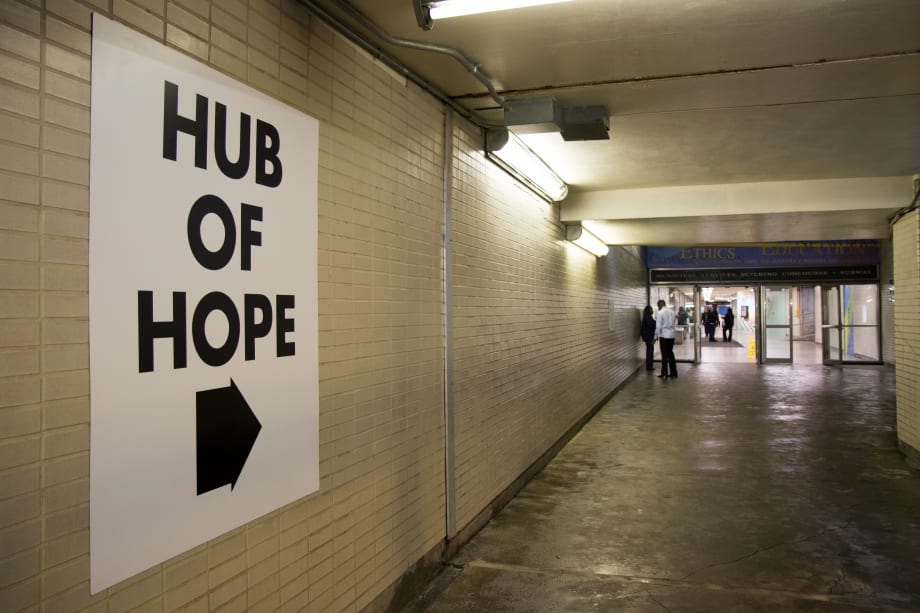
The new Hub of Hope is making a difference in the lives of those experiencing homelessness in downtown Philadelphia. Photo: Adam Dall
4 min to read
The new Hub of Hope is making a difference in the lives of those experiencing homelessness in downtown Philadelphia. Photo: Adam Dall
Transit facilities — train stations, bus depots and transportation centers — are often the shelter of choice for people experiencing homelessness, especially when weather conditions make it too dangerous to stay outside.
In Philadelphia, for the past six winters, Project HOME — an organization that works to end homelessness through a continuum of services comprised of street outreach, a range of supportive housing, and comprehensive services — operated the Hub of Hope in the Southeastern Pennsylvania Transportation Authority’s (SEPTA’s) Suburban Station in downtown Philadelphia. Operating from January to April in a 150-square-foot storefront in the train station, the Hub of Hope placed many into shelter, treatment and other housing options throughout Philadelphia. In 2017, 1,462 individuals visited the Hub of Hope more than 11,000 times.
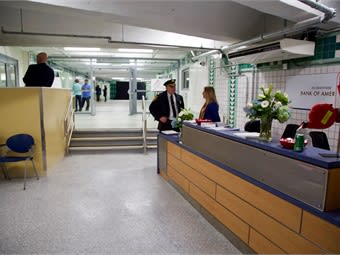
In 2017, 1,462 individuals visited the Hub of Hope more than 11,000 times. Photo: SEPTA
But homelessness is a year-round — not a seasonal — issue. To better assist those experiencing chronic homelessness in Center City, the Hub of Hope needed a larger space, open every day, not just January to April. To accomplish this goal, Project HOME, the City of Philadelphia, and SEPTA joined together to establish a first-of-its-kind engagement center for homeless created via a partnership with a social services agency, a transportation authority and a municipality. The new 11,000 square-foot permanent Hub of Hope, located in the downtown Philadelphia transit sub-concourse opened its doors Jan. 30.
“Beyond the its human toll, homelessness presents unique challenges for SEPTA and our customers, especially in Center City,” said SEPTA Chairman Pasquale T. Deon Sr. “That is why SEPTA and our Board are proud to support the Hub of Hope to help those struggling with homelessness."
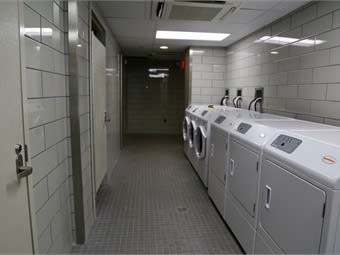
The new facility has showers and laundry facilities and is located in a former Philadelphia Police Transit Division space near SEPTA’s Suburban Station. Photo: SEPTA
In the past year, SEPTA has seen an increase in the number of individuals taking refuge in its stations, especially Suburban Station. “There are a variety of factors that can contribute to homelessness — poverty, lack of affordable housing, rise in opioid addiction, and inadequate mental health facilities,” said SEPTA GM Jeffrey Knueppel. “Many individuals with nowhere to go are making their way to our concourses and stations.”
Construction on the new Hub of Hope began in August 2017. "This was a very ambitious project with a rigid deadline," said Knueppel. "We had to be ready for opening in January. The new Hub of Hope is located in an underground concourse space that was last used by the Philadelphia Police Department's Transit Division about 25 years ago. Crews of in-house employees and contractors worked tirelessly around the clock to meet the challenge. What they accomplished in such a short period of time is a testament to the commitment they made to helping the city's homeless."

SEPTA employees Solomon Frazier, Richard Geist and Dana Barkley (with Chairman Deon far right) have used Project HOME's services to get their lives back on track. Solomon spoke at the Hub of Hope opening and is in the center of the ribbon cutting photo.
Photo: Adam Dall
The expanded Hub of Hope includes shower and laundry facilities. Visitors can also enjoy a hot cup of coffee and a meal. As with the smaller, storefront center, staff continue to engage, assess, and place individuals experiencing homelessness into shelter, treatment, or other long-term housing opportunities with supportive services. Visitors can also speak to peers or case managers, receive medical and behavioral healthcare, and get linked to recovery services and programs.
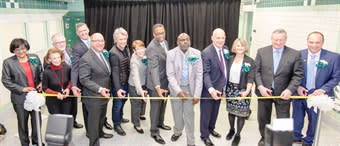
The ribbon cutting ceremony was attended by Philadelphia Mayor James Kenney (second from right in the photo), Philadelphia City Council President Darrell Clarke (eighth from left) and Jon Bon Jovi (sixth from left). Bon Jovi’s Jon Bon Jovi Soul Foundation supports Project HOME and the Hub of Hope. Also in the ribbon cutting photo are SEPTA Chairman Pasquale T. Deon, Sr. (fifth from left), Sister Mary Scullion, Project HOME Co-founder and Executive Director (seventh from left) and SEPTA GM Jeff Knueppel (fourth from right).
Photo: Adam Dall
SEPTA Police and Philadelphia Police officers play an integral role in helping Project HOME reach individuals in need. “Our officers have been trained on how to approach those in need of assistance in our stations and concourses and can contact Project HOME and have their outreach staff work with the individuals or can take them directly to the Hub of Hope,” said SEPTA Police Chief Thomas Nestel. “We are seeing many people take advantage of the great resource the Hub of Hope is.”
The new Hub of Hope is making a difference in the lives of those experiencing homelessness in downtown Philadelphia. On its first day, the Hub saw more than 200 people. As of March 31, the census was more than 1,500 individuals. In just two months, the Hub had placed 414 people in shelters, safe havens, and treatment centers. By comparison, in its six years in existence, the seasonal Hub of Hope placed a total of 1,400 individuals in similar facilities and programs. Additionally, those visiting the Hub have taken 750 showers and washed 439 loads of laundry.
“The results prove what we knew, that the expanded Hub of Hope was much needed,” said Sister Mary Scullion, Project HOME co-founder and executive director. “I think all of those who made the facility possible. We have much work to do to end chronic homelessness in Philadelphia, but the Hub of Hope is a great asset for helping us reach that goal. This partnership is a model for cities across the country.”
Heather Redfern is the Public Information Manager for the Southeastern Pennsylvania Transportation Authority.
Subscribe to Our Newsletter
More Blog Posts
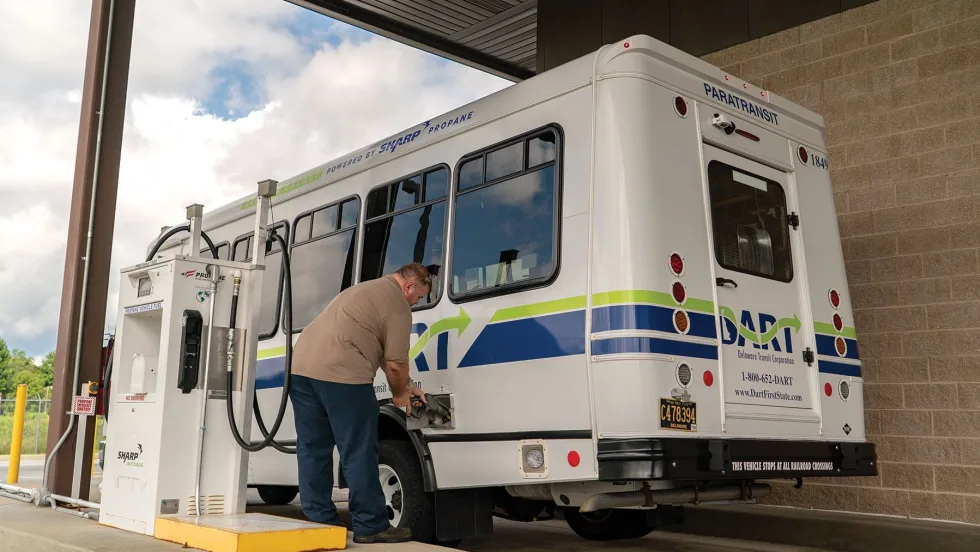
Building a Winning FTA Grant Proposal: Why Propane Autogas is the Pragmatic Choice for Fleet Resilience
With $610 million available through the FY 2026 Buses and Bus Facilities Competitive Program and the Low or No Emission Grant Program, agencies must build a compelling case before the September 21 deadline that balances environmental compliance with operational feasibility.
Read More →
Velo-city Conference 2026: Latest Trends in Cycling as Part of Urban Mobility
The global cycling conference highlighted how cities are integrating bicycles into multimodal transportation networks, expanding cycle tourism and reshaping urban mobility.
Read More →
Kindness Isn’t Soft...It’s Strategic.
Mike Bismeyer — often known as “The Kindness Guy” — has spent more than 17 years in public transit and mobility, serving in industry leadership roles, speaking across North America, and advocating for stronger workplace cultures. But his message doesn’t come from theory. It comes from lived experience.
Read More →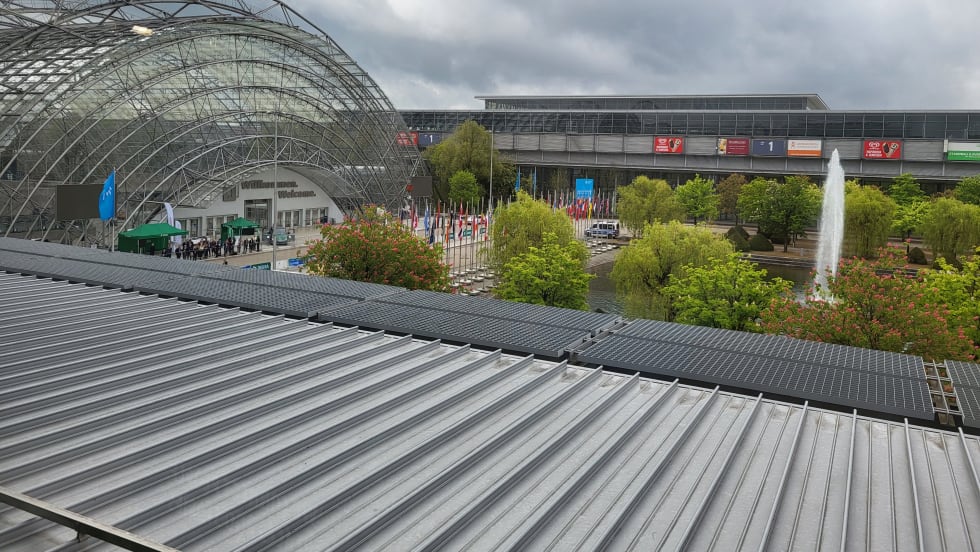
Inside ITF 2026: Transport Reacts to A Challenging World
Transport leaders from around the world gathered in Leipzig, Germany, for the 2026 International Transport Forum to discuss resilience, climate impacts, supply chains and the future of sustainable mobility.
Read More →
Every Ride Tells a Story — But You’re Not Just Selling the Ride
You’re selling the moment, the meaning, and the emotion behind it.
Read More →
How Digital Signage is Reshaping the Traveler Experience at Transportation Hubs
What was once a landscape of static signs has evolved into a responsive, immersive environment powered by real-time visual communication.
Read More →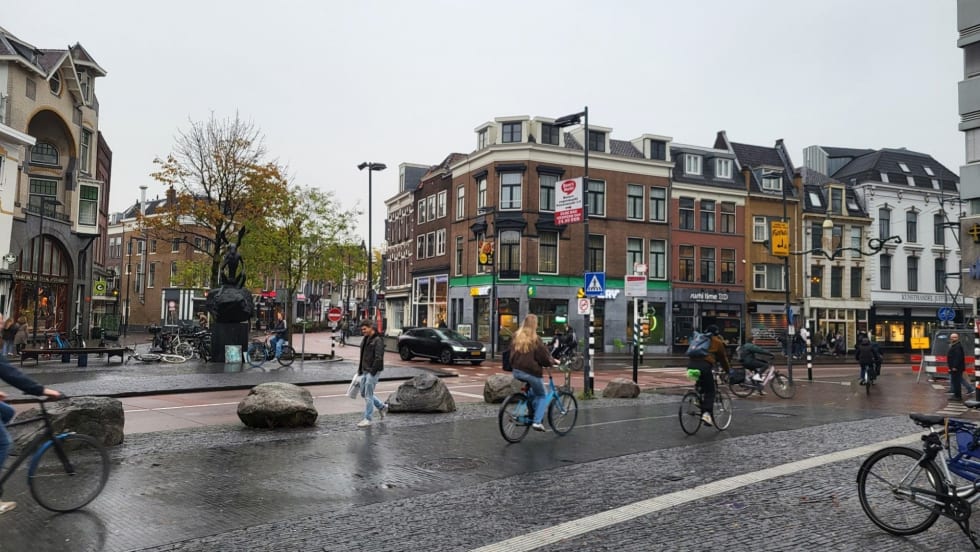
Latest Trends in Urban Mobility from Polis Conference 2025
Polis comprises cities and regions, as well as corporate partners, from across Europe, promoting the development and implementation of sustainable mobility. This year’s event had over a thousand attendees across various policy forums and an exhibition.
Read More →
Why Transit Leaders Require Better Tools for Operational Clarity In Today’s Tech-Fragmented Environment
Across North America and beyond, transit agency officials are contending with a perfect storm of operational headaches and strategic challenges that hamper daily service and long-term progress.
Read More →
The Powerless Brokers: Why California Can’t Build Transit
It is no secret that transit in the U.S. is slow and expensive to build.
Read More →
Why Transport Sustainability Should Focus on People Instead of Cars
Simply incentivizing electrification is not enough to make a meaningful impact; we must shift our focus toward prioritizing public transportation and infrastructure.
Read More →