



Understanding Mobility: Why Transit Operators Must Lead the Way
Between the recently approved U.S. Infrastructure Bill and post-lockdown ridership remaining in a state of flux, now is both a critical and an ideal time for transit agencies to re-imagine the service they provide.

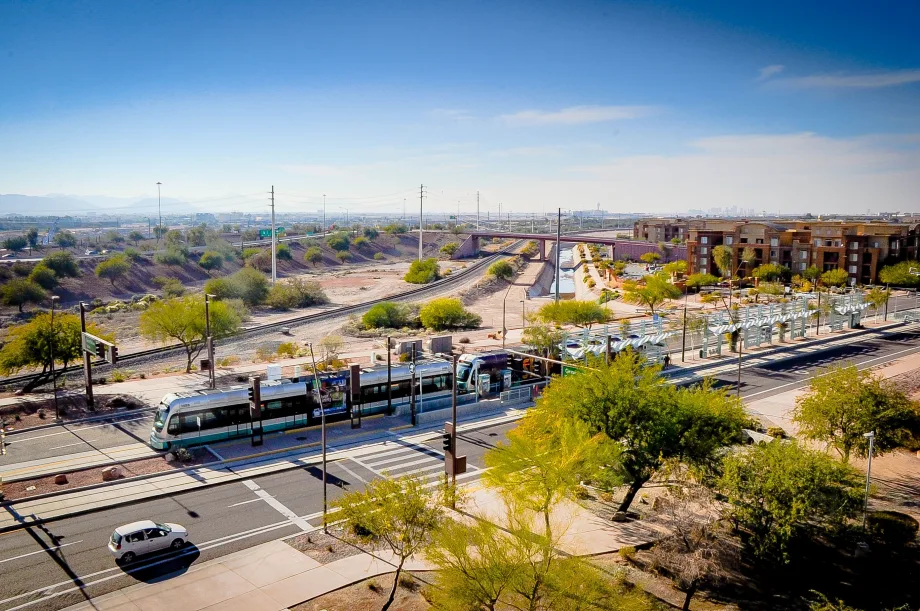
The bill’s $66 billion in new funding for rail is intended to fast-track the recovery of rail and transit services hard-hit by the pandemic.
Valley Metro
Between the recently approved U.S. Infrastructure Bill and post-lockdown ridership remaining in a state of flux, now is both a critical and an ideal time for transit agencies to re-imagine the service they provide.
The bill’s $66 billion in new funding for rail is intended to fast-track the recovery of rail and transit services hard-hit by the pandemic. In addition to rebuilding ageing infrastructure, the funding is expected to lead to the creation of new routes, with the intention of attracting an additional 20 million passengers annually.
While this is undoubtedly good news for rail and transit operators, efficient and impactful investment in services is a challenge because of today’s dynamic state of transit ridership — how should agencies balance providing services with passenger demand as operations scale? The only way to do this effectively is to be guided by data.
Harnessing mobility data is the key to sustained growth
Operators widely accept insights from mobility data as the key to adjusting to evolving rider usage patterns and making the right decisions for their transport network and passengers.
The trouble is, there’s so much of it. It’s hard to know the best way to harness all that data and benefit from its potential. Today, there are several ever-growing mobility data sources: internal to public transit operators; data being created by mobility disruptors; and third parties reselling mobile phone location data, for example.
The question is, which datasets are the best ones to use? And, how can they be combined to provide the insights needed to make fast service and operational decisions that flex to changing conditions — without spending inordinate amounts of time or money?
Joining the pockets of data innovation
Unfortunately, not all data innovations are readily utilized or available to the industry — and that needs to change.
Transport Network Companies (TNCs) gather massive amounts of data to balance pricing and optimize revenues. Unfortunately, they’re reluctant to share it with transit agencies, who frequently have no quick mechanism to force TNCs to provide the data.
A crop of third-party private companies is buying cell phone location data and using it to stitch together trip data for the benefit of transit agencies. However, transit agencies are often at a loss regarding what to do with the data, and the sellers struggle to wrap solutions around the data for meaningful use cases.
Start-up Lacuna Technologies has created the data standard Mobility Data Specification (MDS) for micro-mobility (i.e. scooters and bike-share) to record individual trips in near-real-time. And yet, transit operators generally do not harness this data to sense where latent demand for service might be.
Meanwhile, some potentially powerful data sources are underutilized because of operational silos. Closed-circuit television (CCTV) feeds, ubiquitous for passengers and staff safety purposes, may only be used to give summary “stoplight” occupancy data — red for crowded conditions, green when less so — when planning or customer experience groups have access to the data. Several camera vendors and video analytics providers have begun dabbling in public transportation. However, because transit is such a small part of their business, innovation in the transit space isn’t a priority.
Internally, public transit providers have been working towards creating more transparent, open-source datasets, enabling anyone to create their own apps and analyses for the benefit of riders. General Transit Feed Specification (GTFS) is the de facto standard for describing the schedules, the movement of assets, trip planning and accessibility approach for city-based public transit operators that run fixed routes with large fleets of busses and trains.
While Mobile Apps Moovit and Transit have done the most with the data to provide riders with accurate and actionable information, there is no established mechanism to scale majority of handcrafted projects into more streamlined and standardized forms of data analysis and application.
Beyond large cities, however, access to these data sets may not exist. For the thousands of smaller agencies servicing towns and counties across the U.S, a lack of staff or budget to create vital datasets can make service innovation and interagency coordination difficult.
It’s time for a collaborative approach
The best way forward for the industry is to engage with other partners who are likely to benefit from the same mobility data. Public safety, transportation, economic development, and land-use planning all aim to create communities of benefit through integrated mobility planning.
A shared understanding of how people move through the system is a campfire that different agencies of all sizes can gather around to create a better future for citizens. Each agency has its role, and identifying the common, critical mobility questions each has is the first step to defining and building the data assets needed for collaboration.
It’s time for transit agencies to take the lead in bringing fellow agencies to the table to understand the business and mission value of greater mobility insight — for smoother, safer journeys and greater economic prosperity — as we navigate our post-pandemic future together.
More Blog Posts
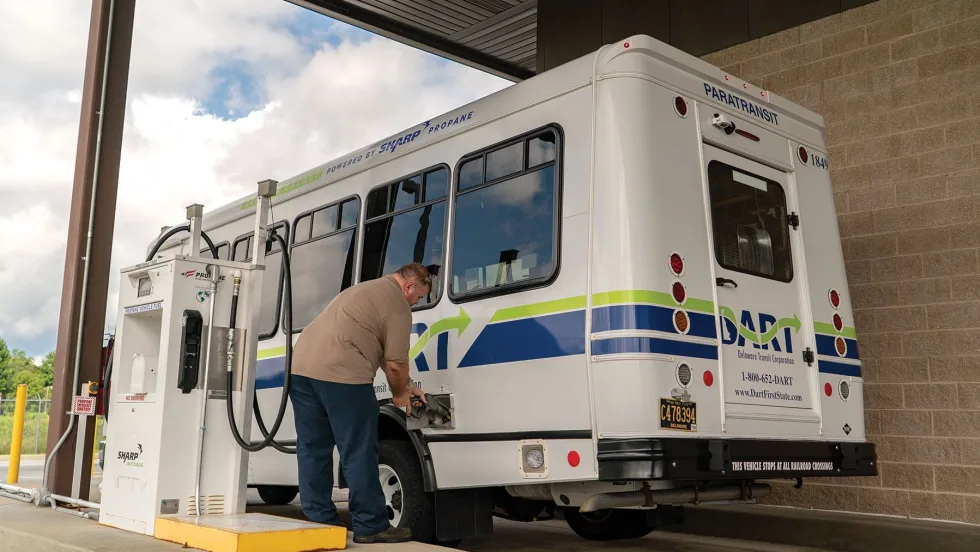
Building a Winning FTA Grant Proposal: Why Propane Autogas is the Pragmatic Choice for Fleet Resilience
With $610 million available through the FY 2026 Buses and Bus Facilities Competitive Program and the Low or No Emission Grant Program, agencies must build a compelling case before the September 21 deadline that balances environmental compliance with operational feasibility.
Read More →
Velo-city Conference 2026: Latest Trends in Cycling as Part of Urban Mobility
The global cycling conference highlighted how cities are integrating bicycles into multimodal transportation networks, expanding cycle tourism and reshaping urban mobility.
Read More →
Kindness Isn’t Soft...It’s Strategic.
Mike Bismeyer — often known as “The Kindness Guy” — has spent more than 17 years in public transit and mobility, serving in industry leadership roles, speaking across North America, and advocating for stronger workplace cultures. But his message doesn’t come from theory. It comes from lived experience.
Read More →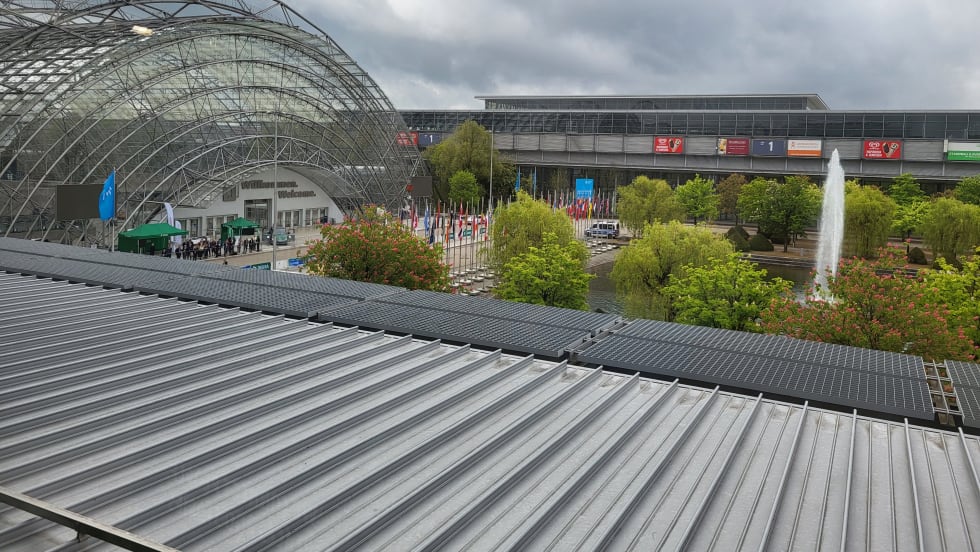
Inside ITF 2026: Transport Reacts to A Challenging World
Transport leaders from around the world gathered in Leipzig, Germany, for the 2026 International Transport Forum to discuss resilience, climate impacts, supply chains and the future of sustainable mobility.
Read More →
Every Ride Tells a Story — But You’re Not Just Selling the Ride
You’re selling the moment, the meaning, and the emotion behind it.
Read More →
How Digital Signage is Reshaping the Traveler Experience at Transportation Hubs
What was once a landscape of static signs has evolved into a responsive, immersive environment powered by real-time visual communication.
Read More →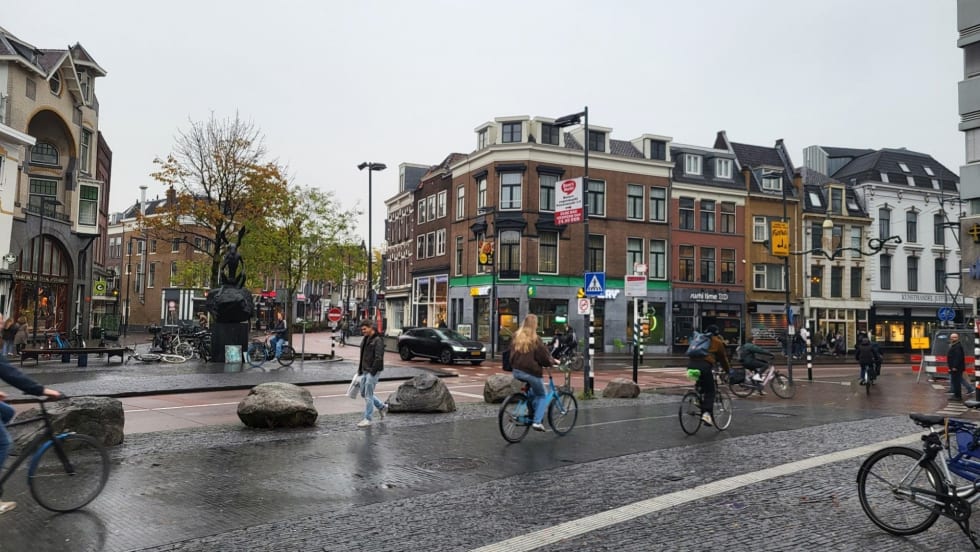
Latest Trends in Urban Mobility from Polis Conference 2025
Polis comprises cities and regions, as well as corporate partners, from across Europe, promoting the development and implementation of sustainable mobility. This year’s event had over a thousand attendees across various policy forums and an exhibition.
Read More →
Why Transit Leaders Require Better Tools for Operational Clarity In Today’s Tech-Fragmented Environment
Across North America and beyond, transit agency officials are contending with a perfect storm of operational headaches and strategic challenges that hamper daily service and long-term progress.
Read More →
The Powerless Brokers: Why California Can’t Build Transit
It is no secret that transit in the U.S. is slow and expensive to build.
Read More →
Why Transport Sustainability Should Focus on People Instead of Cars
Simply incentivizing electrification is not enough to make a meaningful impact; we must shift our focus toward prioritizing public transportation and infrastructure.
Read More →