



Who is Smart Transportation for?
In leading cities like Singapore, London, and New York, groundbreaking technologies, including artificial intelligence, sensors, and the Internet of Things, are helping companies and policymakers improve residents’ and visitors’ quality of life.


Developing new smart transportation solutions involves a number of intriguing innovations.
XH4D
The intelligent transportation systems industry (ITS) is driven by innovation. With a broader vision toward building smart cities and facilitating Mobility-as-a-Service (MaaS), the aim is to develop the new technologies and strategies that will make our cities and lives more efficient. In leading cities like Singapore, London, and New York, groundbreaking technologies, including artificial intelligence, sensors, and the Internet of Things, are helping companies and policymakers improve residents’ and visitors’ quality of life.
Developing new smart transportation solutions involves a number of intriguing innovations. However, diving into the nuts and bolts of technologies like smart intersections, contactless payment solutions, and mobile applications can make it easy to lose sight of the reason for all of this in the first place. We have to ask an important question: Who is smart transportation for?
Technologies shouldn’t be developed for technology’s sake, just as smart transportation shouldn’t be built just to say it’s been done. The industry must work toward a smarter future for the people who use its services by holding those people at the center of its decisions, strategies, and solutions.
Beginning with the Challenge
When a technological breakthrough is reached, it is often followed by teams in various industries brainstorming how that technology could be used in their field. This is a technology-centric approach rather than a people-centric one. Instead of starting with the solution, engineers working on smart cities should start with the challenge. What is a pain point for residents in your town, and how does that pain point reverberate through their lives? By starting with the problem and developing a purpose-built solution, you’ll end up with a useful and appreciated tool; on the other hand, innovation for innovation’s sake will likely result in a fancy tool that no one uses (remember the Segway?).
If your team isn’t clear on what problems their customers are facing, they should go out and ask. Engaging with a diverse group of local citizens will provide your team with a litany of problems to solve and will open a channel of communication that can later be used to communicate the benefits of your solution. If your community believes you’re invested in solving their problems, they will be more open to trying your technology.
In some cases, however, a city’s challenges are a bit too nuanced for citizens to boil down to a single, concrete problem. While commuters might complain about traffic jams in the early evening, they won’t have the overarching view to understand what specific areas or bottlenecks are causing the congestion. For these challenges, data can be used to fill in the gaps and provide the basis for their complaints. Combining public opinion with data will ensure you’re headed down the right path.
Considering All People
When working to develop people-centric solutions, it’s important to design new technologies that will serve all people. This is possibly the most broadly unaddressed issue in smart city engineering: many of the groundbreaking technologies reshaping our cities are mobile-based and don’t serve those who are smartphone-free or unbanked. Accessibility takes many forms — whether it’s serving those with different physical abilities, economic backgrounds, or even personal preferences, regarding technology and privacy.
A people-centric strategy will also bear in mind the future generations who will be using smart transportation. This is often a question of scale. In a growing city, are you prioritizing technologies that will be able to expand and adapt to the size of the population? Will your solution be open to incorporating the new modes of transportation that may be in our future?
Perhaps the most often-overlooked aspect of creating people-centric innovations is considering how the technology will impact people when they’re not using it. Is the new solution sustainable, or will it harm the environment and make life more difficult for those in the surrounding area? One way to make projects more sustainable is to consider how to maintain existing equipment and blend new technologies with current infrastructure — rather than starting from scratch and growing the infrastructure footprint. This hybrid strategy limits waste and ensures that valuable technologies aren’t prematurely abandoned.
A people-centric city is one that understands the needs of all its citizens and delivers the initiatives that ensure those needs are met. Smart transportation can be a major force in that pursuit by providing efficient, accessible technologies that move cities forward and get people where they need to go.
More Blog Posts
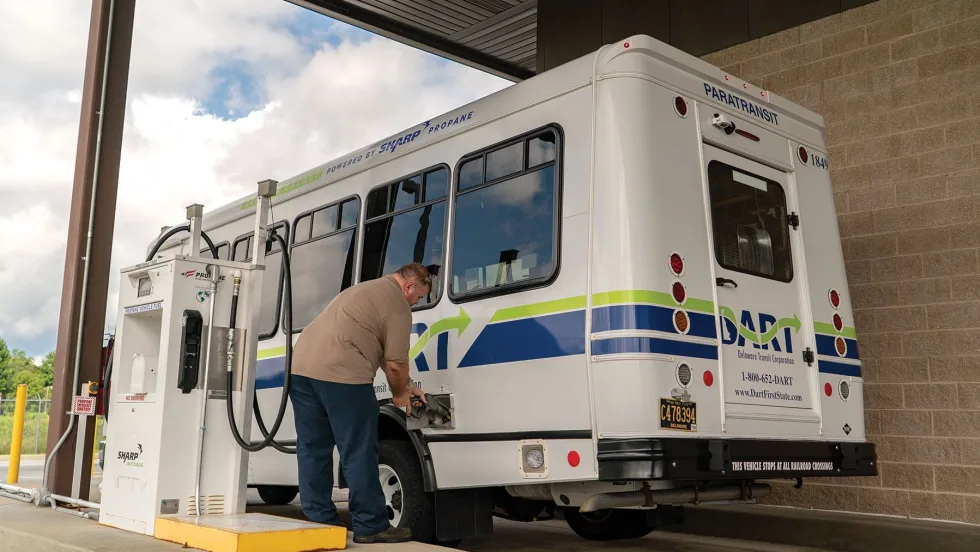
Building a Winning FTA Grant Proposal: Why Propane Autogas is the Pragmatic Choice for Fleet Resilience
With $610 million available through the FY 2026 Buses and Bus Facilities Competitive Program and the Low or No Emission Grant Program, agencies must build a compelling case before the September 21 deadline that balances environmental compliance with operational feasibility.
Read More →
Velo-city Conference 2026: Latest Trends in Cycling as Part of Urban Mobility
The global cycling conference highlighted how cities are integrating bicycles into multimodal transportation networks, expanding cycle tourism and reshaping urban mobility.
Read More →
Kindness Isn’t Soft...It’s Strategic.
Mike Bismeyer — often known as “The Kindness Guy” — has spent more than 17 years in public transit and mobility, serving in industry leadership roles, speaking across North America, and advocating for stronger workplace cultures. But his message doesn’t come from theory. It comes from lived experience.
Read More →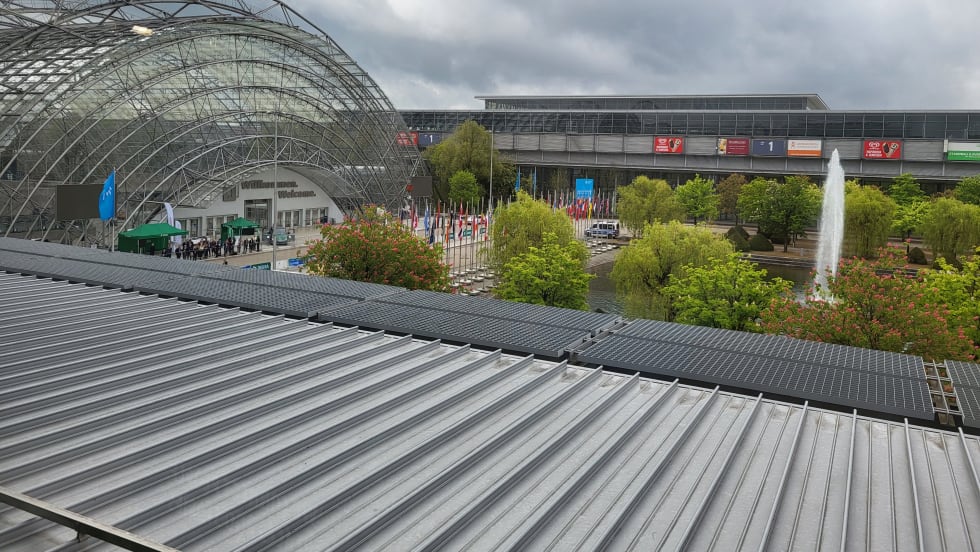
Inside ITF 2026: Transport Reacts to A Challenging World
Transport leaders from around the world gathered in Leipzig, Germany, for the 2026 International Transport Forum to discuss resilience, climate impacts, supply chains and the future of sustainable mobility.
Read More →
Every Ride Tells a Story — But You’re Not Just Selling the Ride
You’re selling the moment, the meaning, and the emotion behind it.
Read More →
How Digital Signage is Reshaping the Traveler Experience at Transportation Hubs
What was once a landscape of static signs has evolved into a responsive, immersive environment powered by real-time visual communication.
Read More →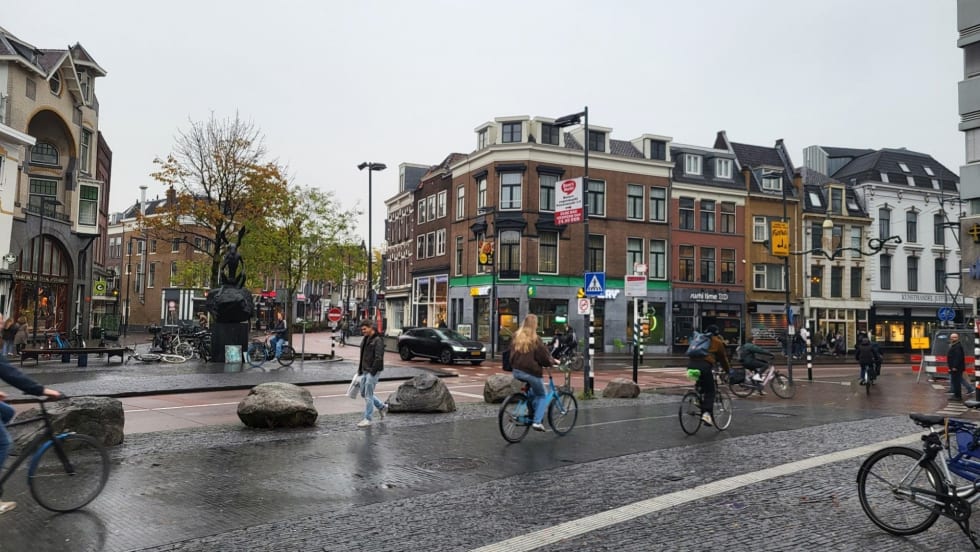
Latest Trends in Urban Mobility from Polis Conference 2025
Polis comprises cities and regions, as well as corporate partners, from across Europe, promoting the development and implementation of sustainable mobility. This year’s event had over a thousand attendees across various policy forums and an exhibition.
Read More →
Why Transit Leaders Require Better Tools for Operational Clarity In Today’s Tech-Fragmented Environment
Across North America and beyond, transit agency officials are contending with a perfect storm of operational headaches and strategic challenges that hamper daily service and long-term progress.
Read More →
The Powerless Brokers: Why California Can’t Build Transit
It is no secret that transit in the U.S. is slow and expensive to build.
Read More →
Why Transport Sustainability Should Focus on People Instead of Cars
Simply incentivizing electrification is not enough to make a meaningful impact; we must shift our focus toward prioritizing public transportation and infrastructure.
Read More →