METRO Magazine Logo
MenuMENU
SearchSEARCH

How Lighting Design Can Impact Transportation's Shift Workers

Shifts are long and varying, and facilities are often inadequate for transit employees to truly recharge and stay sharp on the job. But it doesn’t have to be that way. The quality of the environment within facilities can be designed to support shift workers and those with jobs that don’t follow traditional 9-to-5 schedules. Two key elements that can be utilized to support vehicle operator health; creating spaces with adaptability for varied activities and quality lighting that supports the adaptability of the space.

Read More →
Safety Cornerby Steve MentzerMay 11, 2016

How to Improve Sleep Quality for Safe Bus Operation

Statistics show that for many people, sleep can be a matter of life or death. This may sound overly dramatic, but let’s consider that in 2005 the NHTSA conservatively estimated that drowsy driving was responsible for at least 100,000 automobile crashes, 71,000 injuries, and 1,550 fatalities annually.¹ More recently, the NHSTA estimated at least 846 people died in 2014 due to the effects of drowsy driving.

Read More →

Public Transit Has 'Perks' With Loyalty Programs

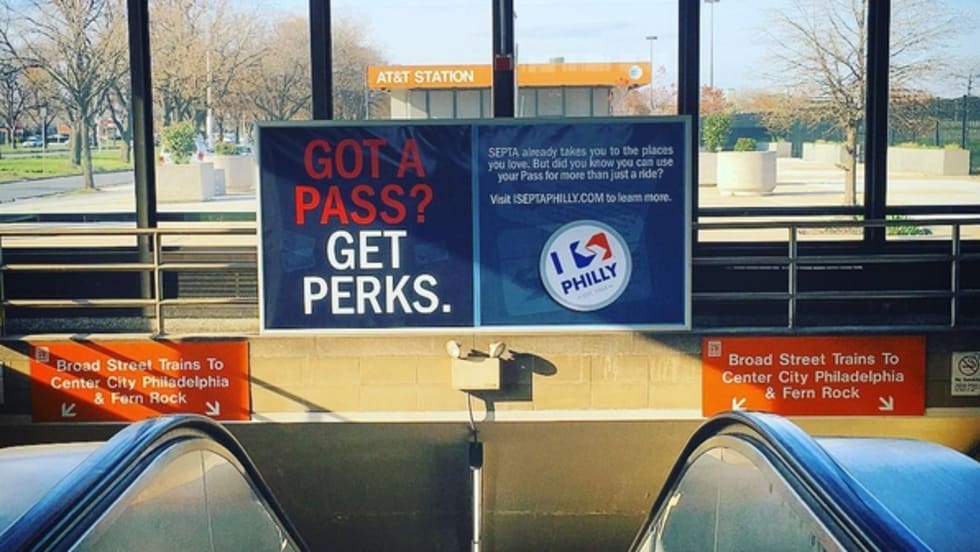
The benefits of using public transit are many — environmentally friendly, less stressful than driving and no time wasted sitting in traffic, to name a few. For commuters in cities like Philadelphia, Los Angeles and Montreal, there are even more advantages for using transit — discounts at local businesses for using bus/train/trolley passes.

Read More →
Ad Loading...
Transit Dispatchesby Holly ReedApril 28, 2016

6 Ways High-Speed Rail Will Benefit Texas, Transportation Industry

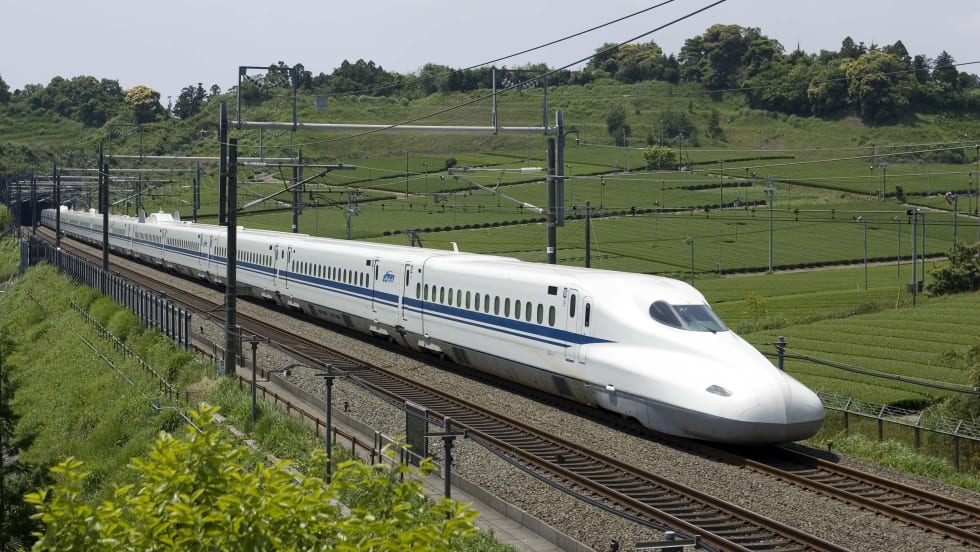
Ask commuters who drive between Houston and Dallas almost every day and see what they have to say. They are known as “super commuters” – the nearly 50, 000 people traveling back and forth between the two cities at least once a week. That number will increase as the growth in Texas continues to climb. Super commuters and other drivers want another solution to Texas’ traffic-clogged highways. Enter the Texas Central high-speed rail project...

Read More →
Safety Cornerby Ed EnglishApril 27, 2016

When Creating A Transit Safety App, Ease of Use is Key

Nowadays, there’s an app for everything. Very few of those apps can turn an everyday transit rider into a hero who summons help for a person in distress. A routine ride on your transit system can be suddenly disrupted if you witness an assault, a crime in progress or a medical emergency. That is why apps designed for public safety must take all imaginable scenarios into consideration.

Read More →
Green Viewsby Rachel Bannon-GodfreyApril 20, 2016

How Transit Facility Design Empowers Employees, Supports Active Lifestyles

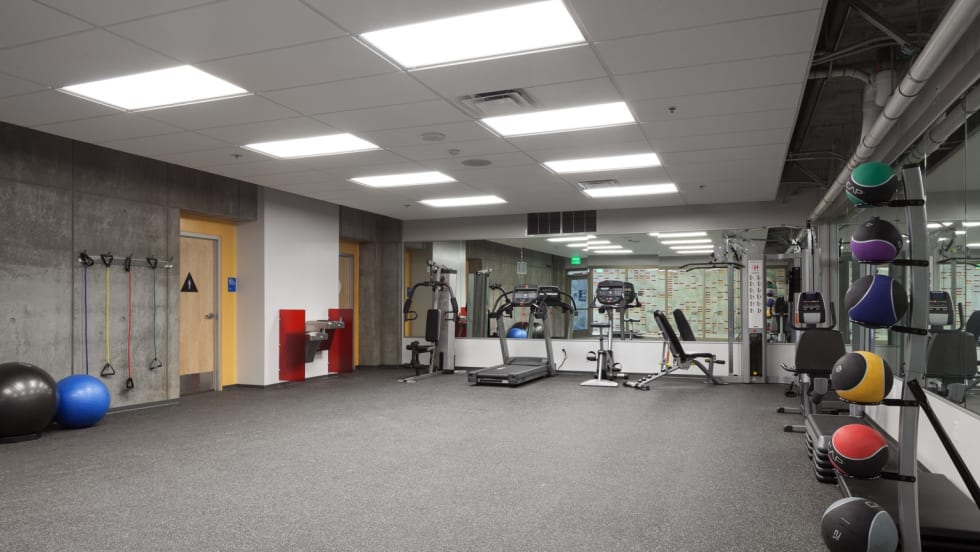
Most transit facilities have a break room for operators to use between shifts — typically an artificially lit space with a TV, vending machines, and cafeteria-style tables and chairs. The trouble is, every person has a different way of relaxing. Besides exposure to daylight and nature, key components of wellbeing are social cohesion and a sense of empowerment. The key here then is to empower employees to choose the best way to relieve their own stress around shifts.

Read More →
Ad Loading...
Safety Cornerby Louie MaielloApril 6, 2016

Training Bus Chatter: Keep it Performance Focused with New Candidates

As we all have experienced, chatter regarding topics other than performance-based basic skill development, such as current events, sports or one’s families, will develop onboard and can break the tension that candidates are experiencing in attempting to do their best. This tension breaker may do good for them, but this should occur during non-development drive time.

Read More →
Transit Dispatchesby Heather RedfernMarch 30, 2016

Introducing the Next Generation of Engineers, Architects to Careers in Transit

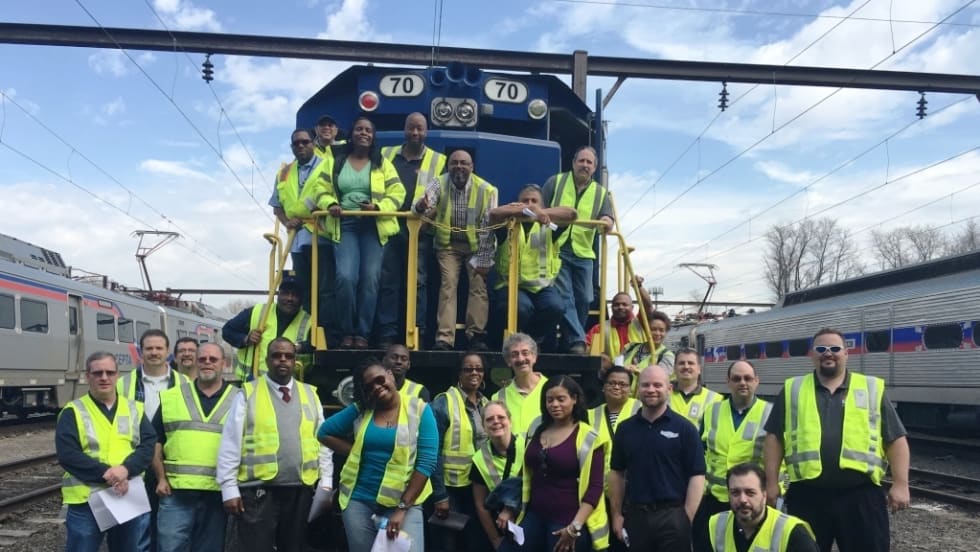
For many college engineering and architecture students, it’s probably a good bet that they have not given much consideration to careers in public transportation. Members of the SEPTA's Engineering, Maintenance and Construction Division have worked closely with Philadelphia-area university students to introduce them to job opportunities in the realm of mass transit.

Read More →
Safety Cornerby John FilipponeMarch 23, 2016

Cultivating the mindful bus driver

Thinking of the situation in terms of “who should yield” will lead operators to a less aggressive mindset. Once we get our operators to think in terms of “who should yield,” the logical follow up question to ask is “will they yield?” Once operators start looking at situations with a “yield” attitude, it becomes easier to recognize situations, which may result in preventable crashes.

Read More →
Ad Loading...
Green Viewsby Rachel Bannon-GodfreyMarch 16, 2016

The Benefits of Taking a Leadership Role in Transit Workplace Well-Being

A health and wellness revolution is underway in America. Concurrently, there is a growing public health initiative to promote safer, more accessible recreation facilities and active transit options. Transit agencies are uniquely positioned in the overlap of these two movements. By promoting health and well-being, agencies have an opportunity to show leadership and innovation in a truly holistic approach to total worker health, while benefiting workforce productivity and happiness.

Read More →
Safety Cornerby Steve MentzerMarch 9, 2016

Focus on Coaching to Raise Driver Training Effectiveness

Dr. Donald Kirkpatrick long ago defined four levels of evaluation to determine the effectiveness of any training program. It is common for the bulk of effort being put forth by any training department to focus on Level 1 and Level 2. This typically manifests as the time we spend planning for and executing the prescribed training activities that form our learning programs. Many organizations are now finding that they have the most potential for achieving performance improvements by focusing more energy and resources toward Level 3 activities, such as coaching.

Read More →
Transit Dispatchesby Paul MackieFebruary 25, 2016

Where are the Super Bowl-esque ads about public transportation?

When it comes to communicating that people have transportation options besides their own drive-alone cars, the transit industry is getting its lunch handed to it, and has been for decades. It must face that it’s a fringe player that wants to become mainstream. And it’s not getting any easier. While we hear so many great stories about options presented by bikeshare systems and technology and Uber, the fact remains that people are buying cars more than ever.

Read More →