METRO Magazine Logo
MenuMENU
SearchSEARCH
Transit Dispatchesby Giles BaileyJune 4, 2015

Leipzig – A model of transport investment planning

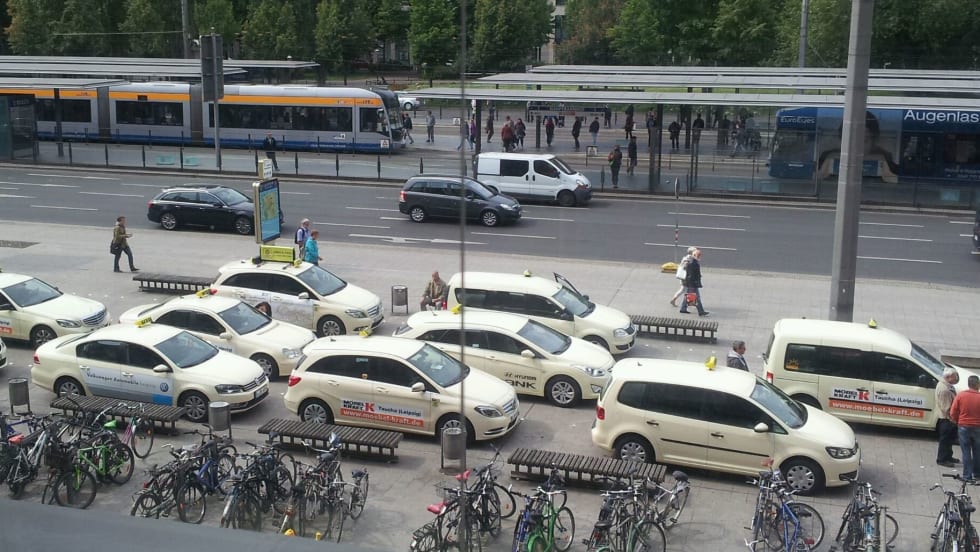
As a city, Leipzig is an excellent example of the German principals of transport planning and service as well as eastern Germany’s long history. The city has benefitted from large amounts of investment in infrastructure over the years since German reunification and most transport systems seem to be new or rebuilt, expanded and in a very good current state of repair. The most notable element in the transport mix is inevitably the enormous and historic main railway station, which is one of the largest, but certainly not busiest, in Europe.

Read More →

Catenary Replacement Plan Leads to 150 Miles of Success

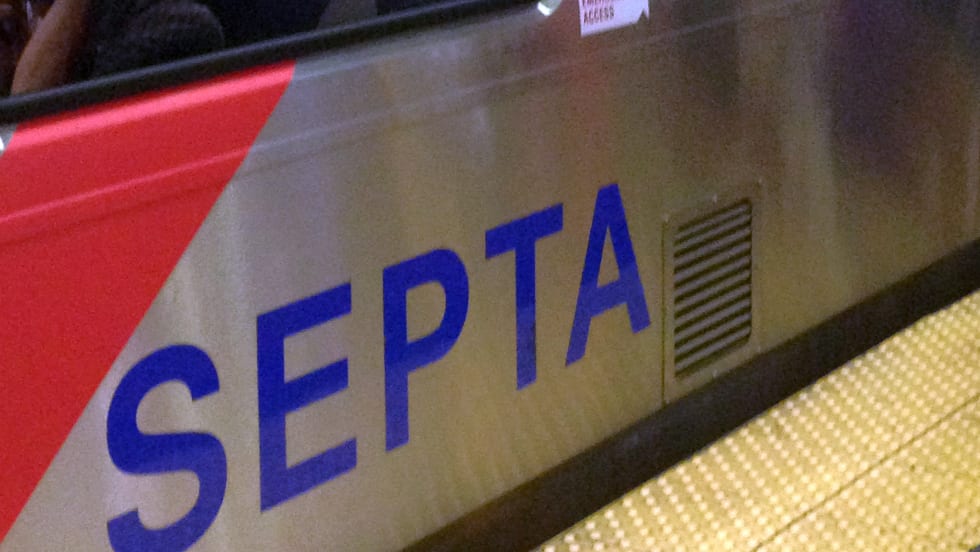
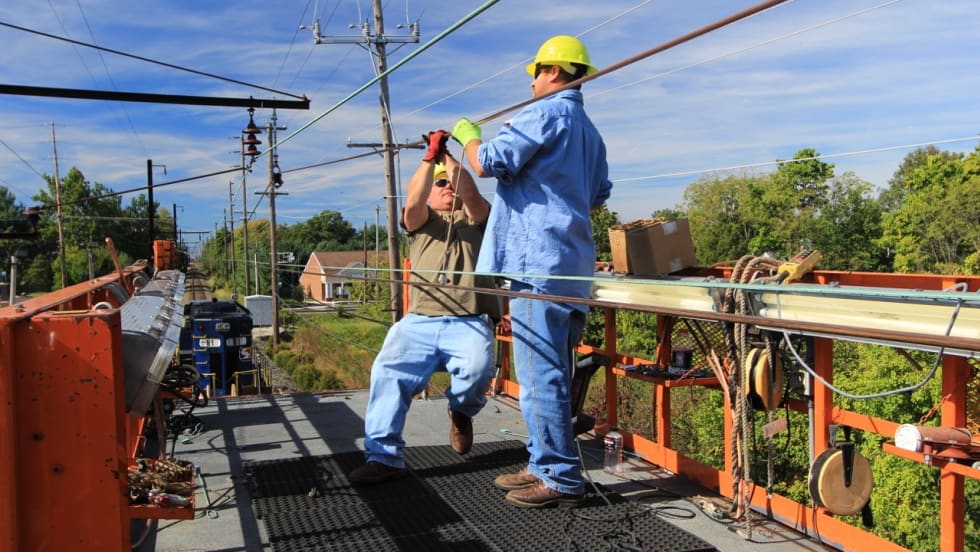
The Southeastern Pennsylvania Transportation Authority’s Regional (commuter) Rail system was inherited from the Pennsylvania and Reading Railroads and the infrastructure in many sections of the system has been serving the Philadelphia area for more than 100 years. Fifteen years ago, overhead catenary system (OCS) failures were a common occurrence on SEPTA Regional Rail, a result of fatigue cracks and wear. The all too common OCS failures were frustrating for SEPTA customers who occasionally found it difficult to depend on train service for their travels and for SEPTA, whose crews were constantly working to repair and maintain the system.

Read More →
Transit Dispatchesby Giles BaileyMay 15, 2015

Cycling & Public Transport - Are they Really Working Together?

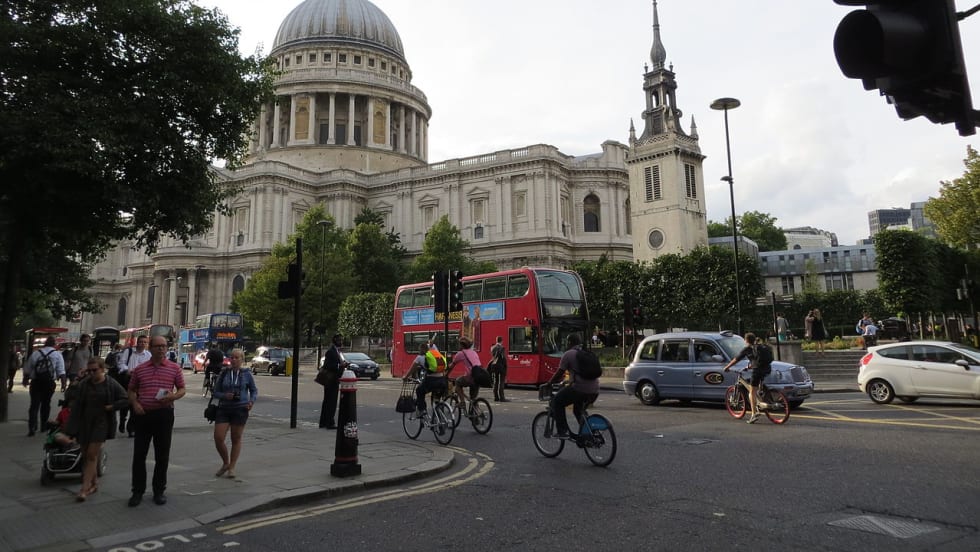
London is one of the grand cities of the world and in the midst of the cycling revolution. Led by the city’s transport organization – Transport for London, but supported by more fundamental changes in the city’s society, economy and perceptions of lifestyle and mobility, cycling is “on a roll”!

Read More →
Ad Loading...
Transit Dispatchesby Paul MackieMay 14, 2015

Uber, Lyft have opportunity to complement local transit networks

Tech-enabled ride-hailing services like Uber and Lyft already appear to be acting as a complement to public transit. Uber analyzed its Los Angeles trip data to in this light. Over the course of a month, Uber found that 22 percent of trips taken near Metro stations took place during rush hour (between 7 a.m. and 10 a.m. and 4 p.m. and 7 p.m. Monday through Friday). This data could be telling us that people are using Uber like they might use bikeshare, as a last-mile and first-mile connection to transit.

Read More →
Transit Dispatchesby Jim HolmMay 6, 2015

Will driverless buses be accepted sooner than driverless cars?

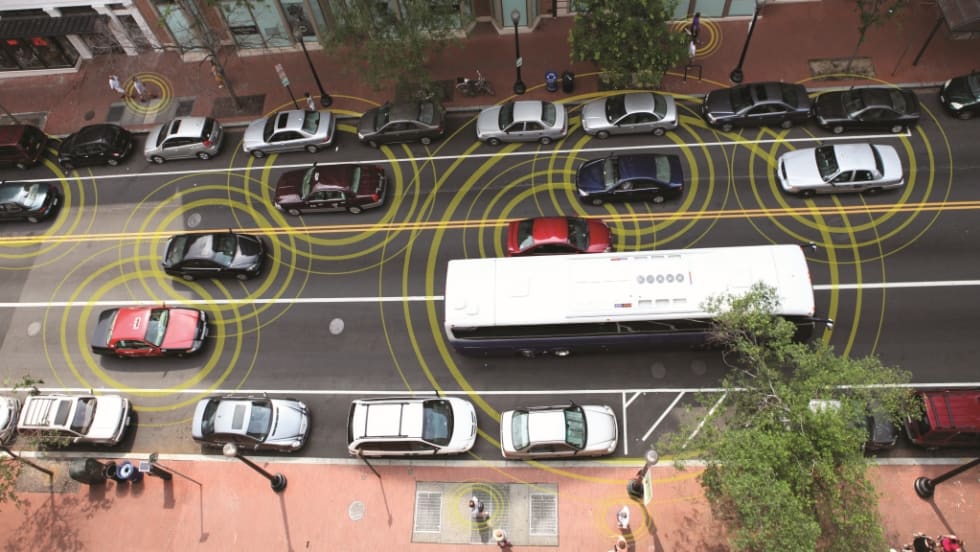
Driverless cars have been in the news for quite some time. Last September, I speculated in PC 360, an insurance trade magazine, that insurance premiums for autos could decrease by as much as 40% over the next five years as autonomous cars made travel much safer. I increased my estimate to a 75% decrease in insurance premiums by extending the timeline to 15 years. When I wrote those two articles, I remember thinking how much of a personal paradigm shift was needed to accept a driverless car as safe. Now, it appears that driverless buses are in the near future as well.

Read More →
Safety Cornerby Louie MaielloApril 29, 2015

Creating Standards in Bus Operations

Those of you who take a few minutes each month to follow my blogs, or have attended one of my past presentations at transit events, first let me thank you. These blogs and presentations, in combination, have been promoting surface transit standards in a form of a standardized curriculum for over 10 years now. I ask you, are we not long overdue in getting transit specific standards a done deal? By the time of this posting, I would have again stood before a group of transit professionals at a recently attended transit function in Orlando, Fla., speaking on this exact topic.

Read More →
Ad Loading...
From the Editor'sby Janna StarcicApril 28, 2015

How transit agencies can manage the 'blizzard' of negativity on Twitter

Agencies that use Twitter to respond to users’ complaints or answer questions get more positive Twitter reaction and more civil discourse online, according to Lisa Schweitzer the author of a recent study analyzing tweets of public transit agencies. “It’s about the marketing potential of social media — a lot of public transit agencies are simply tweeting their problems to the world by blasting out late service announcements. That’s not a good use of Twitter,” she says. “Transit agencies can influence the tone of the discussion by interacting with patrons online,” Schweitzer explains. “It gives people something to respond to, and it reminds people that somebody is listening.”

Read More →
Transit Dispatchesby Heather RedfernApril 27, 2015

Public Transit Companies Among Country’s Best Employers

What do transit authorities like SEPTA, MBTA, MTA and BART have in common other than transporting thousands, even millions of riders every day?

Read More →

Streetcars: The Flexible Rail Transit Mode

As an experienced designer of streetcar systems, one question I am frequently asked is, "Can a streetcar _____?"  The blanks are usually filled with design challenges, such as "turn left from a curb lane", or "go under a low clearance underpass" or "operate at higher speeds and frequencies." More often than not, the answer is YES!  Modern streetcar systems, such as those operating in Seattle, Tucson, and Atlanta, are modeled after European trams that are designed to fit within tight, complex, and built-out urban environments. The unique combination of vehicle's size coupled with the ability to operate in the same lanes as automobiles, trucks, and buses allow designers to create safe, efficient solutions to nearly every design challenge that arises.  

Read More →
Ad Loading...
Transit Dispatchesby Adrienne HamiltonApril 7, 2015

Marketing campaign spreads 'love' to boost bus, rail ridership

At the Denton County (Texas) Transportation Authority (DCTA), we’re constantly looking for unique ways to engage with passengers, generate brand awareness and increase ridership. This year with Valentine’s Day being on a Saturday, we saw a great opportunity to launch a campaign in which passengers could ride DCTA’s A-train commuter rail and Connect Bus for free on Valentine’s Day all day by saying “Be Mine” to the agency’s rail and bus operators. With low-trending ridership in February, we needed to find a way to increase ridership and brand awareness within Denton County and surrounding cities. Launching the Valentine’s Day promotion definitely would help us achieve this.

Read More →
Safety Cornerby Louie MaielloApril 6, 2015

Final Day Bus Operator Candidate Qualification and Its Difficulty Level

A final day should mean exactly that, the end — no more — learning opportunities that had been available no longer exist. The clock has run out. Hopefully, there is a final day designated for trainees at your agency, a time where you draw the line and make a decision, because, as we all know, not everyone can operate a bus. For the trainee, the final day is the most pressure-packed day they will spend on the training bus. Any student entering their final day should be well-prepared and fully aware of what they are faced with, as all of the requirements should have been clearly covered as part of their first day orientation. Remember, no surprises!

Read More →
Safety Cornerby Richard BrentMarch 26, 2015

Security and Surveillance in Transportation

Physical security surveillance is one of the most vital facets of a transit system’s security plan. In the past, recording was primarily done by analog video cameras, but those systems are now updated with IP cameras that have features like greater data storage and ultra HD imaging. Moreover, today’s surveillance has moved beyond video to audio monitoring. By integrating audio and video, security directors have access to more evidence for reported incidents and accident investigations. Audio also provides accountability for employees, capturing if a train engineer was talking on his cell phone on duty or if a train ticket examiner was providing poor customer service.

Read More →