



APTA, CEOs Urge Congress to Provide Emergency Funding to Transit
APTA is urging Congress to invest at least $32 billion in additional emergency funding to keep systems running safely and to protect the jobs of more than 435,000 industry workers.
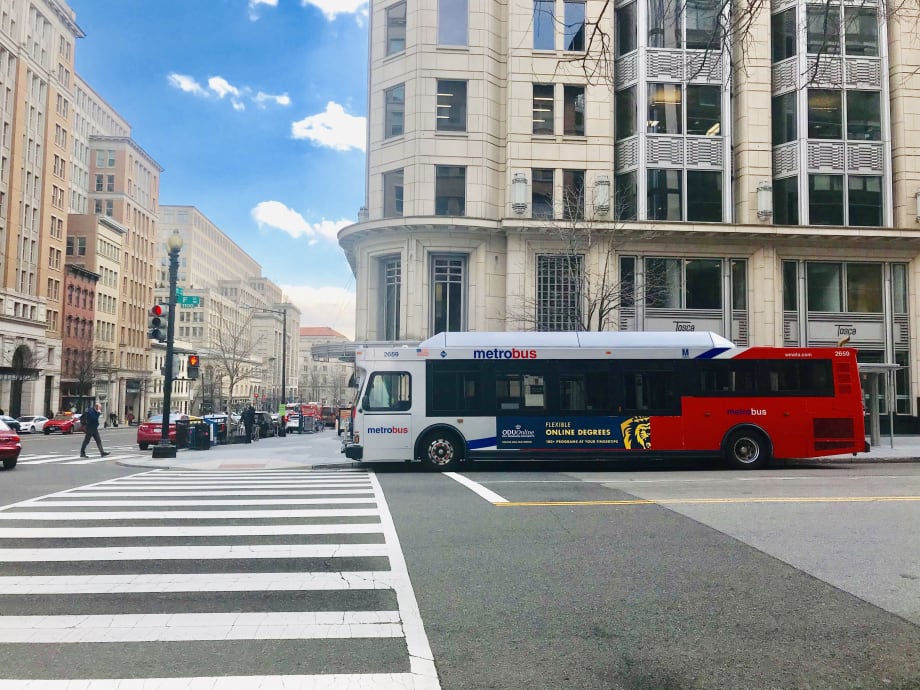
The CARES Act funds to Metro will dry up later this year, at the same time that fare revenues are down 90% and state and local funders face a financial crisis of their own.
METRO Magazine
The American Public Transportation Association (APTA) hosted a virtual press conference addressing the public transportation industry’s urgent need for additional emergency funding as agencies around the nation continue to face extraordinary direct costs and revenue losses because of the coronavirus pandemic.
APTA is urging Congress to invest at least $32 billion in additional emergency funding to keep systems running safely and to protect the jobs of more than 435,000 industry workers, who make it possible to service the millions of private-sector and essential workers that depend on public transit every day.
“As Congress begins the negotiations on the next emergency funding bill, we implore legislators to include public transit funding so that we can continue to be a lifeline for our essential workers and help our communities rebuild their economies in the wake of the pandemic,” said APTA President/CEO Paul P. Skoutelas. “It is imperative that agencies receive federal support so that they can survive and help our nation recover from the economic fallout of the coronavirus crisis.”
Skoutelas, and APTA Chair Nuria Fernandez, were joined by several CEOs around the nation who discussed how their services were being impacted, as well as just how vital additional emergency funding is.
"There is no question that public transit has been and will continue to be an essential service, but it’s also a cornerstone of a city’s and region’s ability to pursue a strong economic recovery,” said Chicago Transit Authority President Dorval R. Carter Jr., who explained that the agency is losing about $1 million a day in farebox revenues. “As customers return to transit, our goal is to provide a level of continuity and predictability to support our city’s recovery, and federal funding is absolutely essential to reaching that goal.”
“Unfortunately, the CARES Act funds to Metro will dry up later this year, at the same time that fare revenues are down 90% and our state and local funders face a financial crisis of their own,” added Paul Wiedefeld, GM/CEO of the Washington Metropolitan Area Transit Authority. “Our concern is how are we going to provide the essential service to support restarting the economy, and meet payroll? We need federal assistance. The harsh reality is without additional federal funds, we are left with the difficult choices that run counter to the economic recovery we all want to see.”
More Management

METRO Opens Submissions for 2026 Motorcoach Awards
Nominations are now being accepted for METRO Magazine’s Operator of the Year and Innovative Operator of the Year awards.
Read More →
New York MTA Advances Final Contract for Second Avenue Subway Expansion
Contract Four is the largest in the Second Avenue Subway Phase 2 project and includes construction of station infrastructure, tracks, and signals for the subway expansion, MTA officials said. Work on Contract Four will begin in 2027.
Read More →
Transit Agencies Highlight Safety Gains at National Summit
Leaders from 15 major transit systems shared crime-reduction results and safety initiatives while discussing the role of continued federal support.
Read More →

NITA Names New Leadership, Expands Reduced-Fare Program at First Board Meeting
The new regional transit authority appointed its first board chair and interim executive director while extending reduced fares across CTA, Metra, and Pace for eligible riders.
Read More →
Beyond the Checklist: A Structured Approach to Transit Maintenance
Reliability-Centered Maintenance helps transit agencies move beyond routine checklists to focus limited resources on the assets and failures that have the greatest impact on safety, reliability, and service.
Read More →
APTA 2026 Nominating Committee Selects Leadership Slate, Names Chair and Vice Chair Nominees
Leadership changes will help shape the association’s priorities and its representation of the transportation industry during the 2026–2027 term.
Read More →
DART Launches Major Security, Fare Enforcement Initiative
The 90-day demonstration will deploy coordinated security teams at five light rail stations while testing controlled access and gathering data to guide future investments.
Read More →
Advancing Fare Collection Through Technology and Innovation
Learn about delivering 1300 gates at 91 stations while managing fare evasion. Explore the large scale deployment, solution customization and real-world results that affect the region. Prepare for deployment in your region now.
Read More →
Game Day in Motion: Moving Millions During the 2026 World Cup
Between packed transit stations and team motorcoaches, see how agencies and operators across North America tackled the transportation demands of the 2026 FIFA World Cup.
Read More →
Surface Transportation Extension Averts Shutdown, Leaves Transit Funding Gap
The stopgap keeps federal transportation programs moving, but missing advance funding could complicate the transit and rail projects agencies are planning next.
Read More →