



APTA executives discuss industry funding challenges
Whether it’s Bill Millar or Michael Melaniphy, the same issues remain in creating revenue streams for public transportation.

Even though they come from different sides of the public transportation sphere, the future and current presidents of APTA both share similar ideas on where the organization is heading and what challenges the industry faces and why.
In a media luncheon on Tuesday, Michael Melaniphy, the next APTA president starting Nov. 1, and Bill Millar, the current APTA president, joined Gary Thomas, the 2011-2012 APTA chair and president of Dallas Area Rapid Transit (DART), for a media luncheon, where they gave insights on why a long-term funding bill has yet to surface for transit even while demand and ridership increase.
“You’ll hear a lot of consistent messages that they (legislators) want to do the right thing,” Melaniphy said, adding that local initiatives aren’t enough to educate people on what’s needed for a long-term solution to keep public transportation afloat. “We’ve got to find a way to get the message out in a way that is easier to digest in smaller sound bites.”
Millar said one of the largest challenges at this point in getting the U.S. Congress to pass a long-term bill lies in the pushback from conservative lawmakers. “To be a great city, you have to have great public transit — and we ought to accept that,” Millar said, citing the current political climate in Washington, D.C. and the lack of agreement on a funding source. “If you start by saying, ‘we can’t talk about revenue,’ well that’s a very difficult starting point,” he says.
Millar acknowledged, though, that funding can’t only come from the federal or state levels, but that the industry must find a way to garner venture capital from the private sector as well.
And APTA’s new president, who comes from the private sector, and the new chair agree. “What we don’t always know how to do is take advantage of the assets that we do have,” said Thomas, who’s undergoing a challenge at DART that many younger agencies face — they aren’t that new anymore and will need infrastructure investments over the next few years. “We have to continue to plan for what’s ahead of us otherwise we’re going to find ourselves in a situation where we can’t move people and goods in a metropolitan area.”
The reality, all three say, is that more and more Americans are looking to public transportation to fulfill their transit needs as more families purchase smaller cars for the better fuel economy. With new technology, though, such as having Wi-Fi available onboard, more comfortable seating and no-hassle fare systems, Melaniphy said that not only are families looking to public transportation for the low price tag, but for the convenience. On the APTA Expo show floor, for example, “There are no bread boxes down there,” he says. “Now, we have great, sexy looking trains and buses.”
More Management
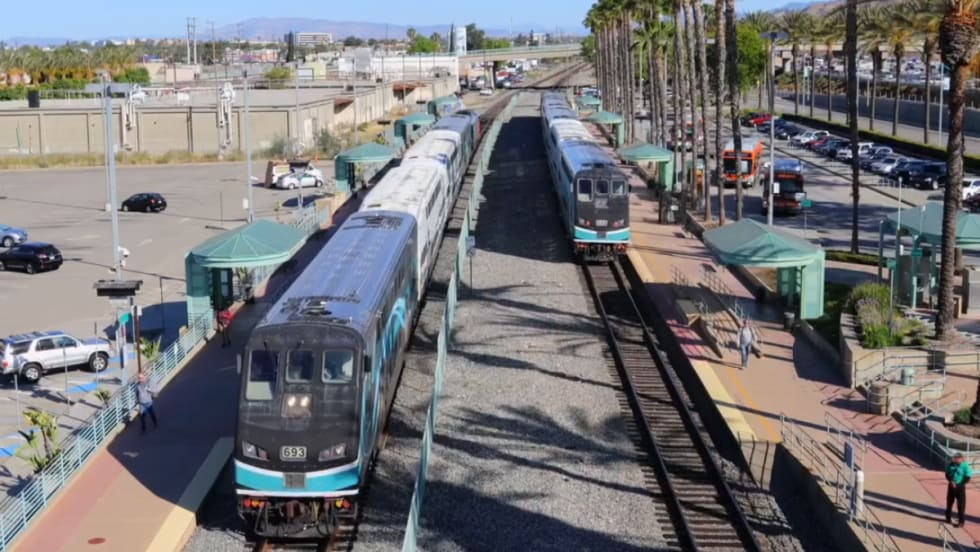
Southern California’s Metrolink Approves $508.8M Budget, Avoids Service Cuts
A $20 million state allocation allows the regional rail agency to maintain existing weekday and weekend service through fiscal year 2028, although longer-term funding challenges remain.
Read More →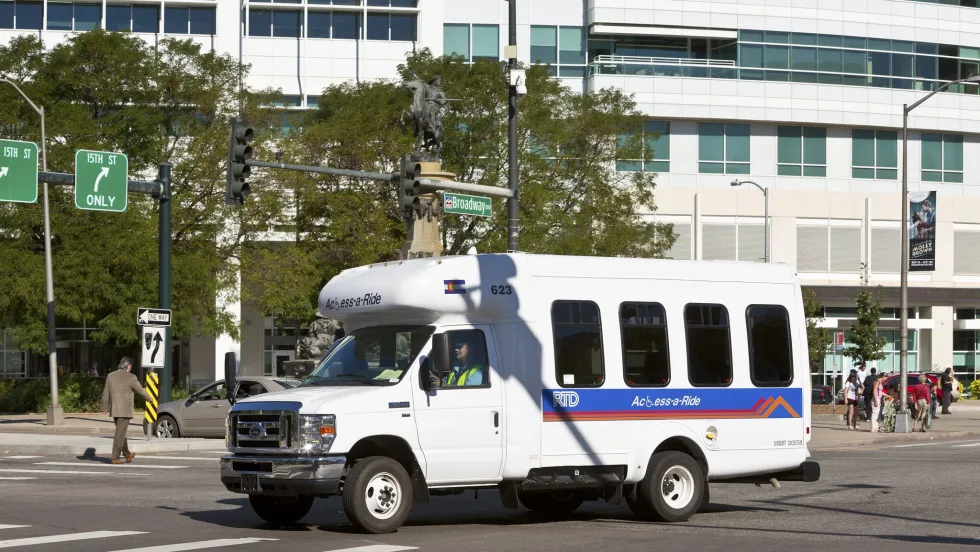
Denver RTD Committee to Review Paratransit Services, Improve Accessibility
The committee will oversee an independent study of paratransit operations, gather customer feedback, and recommend improvements to service reliability, accessibility, and accountability.
Read More →
Castro to Lead RTC of Southern Nevada and More in People Movement
In this edition, we also cover recent appointments and announcements at the STV, MCI, and more, showcasing the individuals helping to shape the future of transportation.
Read More →
STraffic Expands North American Presence with Fare Collection Technology
John Moon, Associate Director, Product Strategy at STraffic, discusses the company's growth in North America, its efforts to reduce fare evasion, and more.
Read More →
Study: Denver RTD Generates $2.1 Billion in Annual Economic Activity
An economic impact study finds the agency supports approximately 17,500 jobs, delivers $1.6 billion in annual community and mobility benefits, and generates $2.42 in economic value for every dollar invested.
Read More →
Mark Aesch Nominated to Lead Federal Transit Administration
The former Rochester transit chief and TransPro founder, who has also contributed to METRO Magazine, brings decades of industry experience and a focus on performance, accountability, and financial sustainability to the nomination.
Read More →
Best and Worst U.S. Cities for Public Transportation in 2026
A new analysis of 50 major U.S. urban areas ranks public transit systems based on accessibility, affordability, usefulness, and safety, highlighting where transit performs best and where challenges remain.
Read More →
Laketran Cuts Fuel Costs, Boosts Efficiency with Propane-Powered Fleet
The Ohio transit agency is using propane-powered vehicles and on-site fueling infrastructure to cut fuel and maintenance costs while meeting growing demand for paratransit services.
Read More →
Canada’s Public Transit Supports $65.6 Billion in Annual GDP
New research from the Canadian Chamber of Commerce examines transit's economic contributions, including job creation and the financial implications of transportation investment.
Read More →
Pierce Transit Moves to Expand Fleet Following Proposition 1 Approval
The agency authorized the purchase or refurbishment of up to 60 buses to support a 47% service expansion, as voters nationwide approved billions in new transit funding.
Read More →