



California's OCTA Successfully Delivering on Commitment, Review Finds
The assessment, covering the period from July 2021 to June 2024, was conducted by Sjoberg Evashenk Consulting and evaluated OCTA’s efficiency, effectiveness, and compliance in delivering transportation improvements funded through the half-cent sales tax initiative.

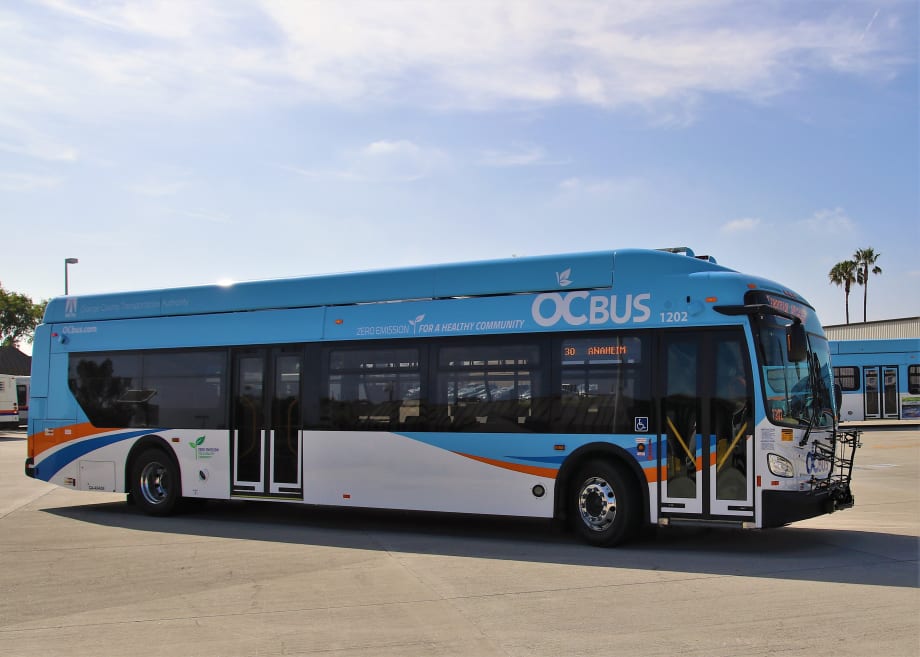
The report confirms that OCTA remains on track to fulfill its long-term commitments, having already delivered more than half of the program’s pledged projects since the renewed measure officially went into effect in 2011.
Photo: OCTA
California’s Orange County Transportation Authority (OCTA) remains on track in the ongoing effort to successfully deliver the promises made to voters to improve Orange County’s transportation network, according to the recent findings of an independent Measure M2 Performance Assessment.
The assessment, covering the period from July 2021 to June 2024, was conducted by Sjoberg Evashenk Consulting and evaluated OCTA’s efficiency, effectiveness, and compliance in delivering transportation improvements funded through the half-cent sales tax initiative.
Measure M at Work
Measure M was first approved by voters in 1991 and overwhelmingly renewed in 2006. It is expected to result in approximately $14 billion investments in Orange County’s transportation system through 2041, making improvements to local freeways and streets and to transit.
The report confirms that OCTA remains on track to fulfill its long-term commitments, having already delivered more than half of the program’s pledged projects since the renewed measure officially went into effect in 2011.
“The findings of this independent review reflect OCTA’s commitment to smart and responsible investments in Orange County’s transportation infrastructure,” said OCTA Chair Doug Chaffee, also Orange County’s Fourth District Supervisor. “Measure M continues to make a real difference in improving mobility, and we will continue to implement best practices to ensure efficiency, transparency, and fiscal prudence.”
Key Findings from the Performance Assessment
The report found that OCTA continues to make substantial progress toward meeting the measure’s six overarching goals, which include relieving traffic congestion, improving streets and freeways, expanding transit options, and protecting the environment.
OCTA was recognized for strong program management practices, ensuring that projects are delivered efficiently while safeguarding public funds.
The agency was commended for maintaining sound fiscal practices, leveraging state and federal dollars efficiently, and successfully adapting to economic fluctuations.
The assessment also found that OCTA fully complies with all requirements outlined in the measure, including maintaining strict oversight of sales tax expenditures and conducting annual eligibility assessments for local jurisdictions.
Additionally, OCTA was praised for its ongoing commitment to transparency and accountability in its communication with the Board of Directors, the Taxpayer Oversight Committee, and the public.
Ongoing Improvements, Recommendations
While no major deficiencies were identified, the consultant provided four recommendations for continued enhancement:
Increasing clarity when updating project schedules and cost estimates.
Improving documentation regarding vendor selection processes.
Updating administrative policies to streamline the notice-to-proceed process.
Faster processing of vendor payments to maintain efficiency.
OCTA has already taken steps to address these areas and will provide implementation updates in its quarterly reports on the Measure M program.
Since voters renewed Measure M in 2006, OCTA has conducted regular independent performance assessments every three years to ensure accountability. This sixth assessment continues the trend of positive reviews, reinforcing the agency’s commitment to fulfilling the promises made to Orange County voters.
More Management

METRO Opens Submissions for 2026 Motorcoach Awards
Nominations are now being accepted for METRO Magazine’s Operator of the Year and Innovative Operator of the Year awards.
Read More →
New York MTA Advances Final Contract for Second Avenue Subway Expansion
Contract Four is the largest in the Second Avenue Subway Phase 2 project and includes construction of station infrastructure, tracks, and signals for the subway expansion, MTA officials said. Work on Contract Four will begin in 2027.
Read More →
Transit Agencies Highlight Safety Gains at National Summit
Leaders from 15 major transit systems shared crime-reduction results and safety initiatives while discussing the role of continued federal support.
Read More →

NITA Names New Leadership, Expands Reduced-Fare Program at First Board Meeting
The new regional transit authority appointed its first board chair and interim executive director while extending reduced fares across CTA, Metra, and Pace for eligible riders.
Read More →
Beyond the Checklist: A Structured Approach to Transit Maintenance
Reliability-Centered Maintenance helps transit agencies move beyond routine checklists to focus limited resources on the assets and failures that have the greatest impact on safety, reliability, and service.
Read More →
APTA 2026 Nominating Committee Selects Leadership Slate, Names Chair and Vice Chair Nominees
Leadership changes will help shape the association’s priorities and its representation of the transportation industry during the 2026–2027 term.
Read More →
DART Launches Major Security, Fare Enforcement Initiative
The 90-day demonstration will deploy coordinated security teams at five light rail stations while testing controlled access and gathering data to guide future investments.
Read More →
Advancing Fare Collection Through Technology and Innovation
Learn about delivering 1300 gates at 91 stations while managing fare evasion. Explore the large scale deployment, solution customization and real-world results that affect the region. Prepare for deployment in your region now.
Read More →
Game Day in Motion: Moving Millions During the 2026 World Cup
Between packed transit stations and team motorcoaches, see how agencies and operators across North America tackled the transportation demands of the 2026 FIFA World Cup.
Read More →
Surface Transportation Extension Averts Shutdown, Leaves Transit Funding Gap
The stopgap keeps federal transportation programs moving, but missing advance funding could complicate the transit and rail projects agencies are planning next.
Read More →