




Read More: Priority Bus Lanes opened in Los Angeles
LA Metro Board Approves North Hollywood Station Project
New housing development will provide affordable homes and easy access to the LA Metro’s transit systems.
October 4, 2024
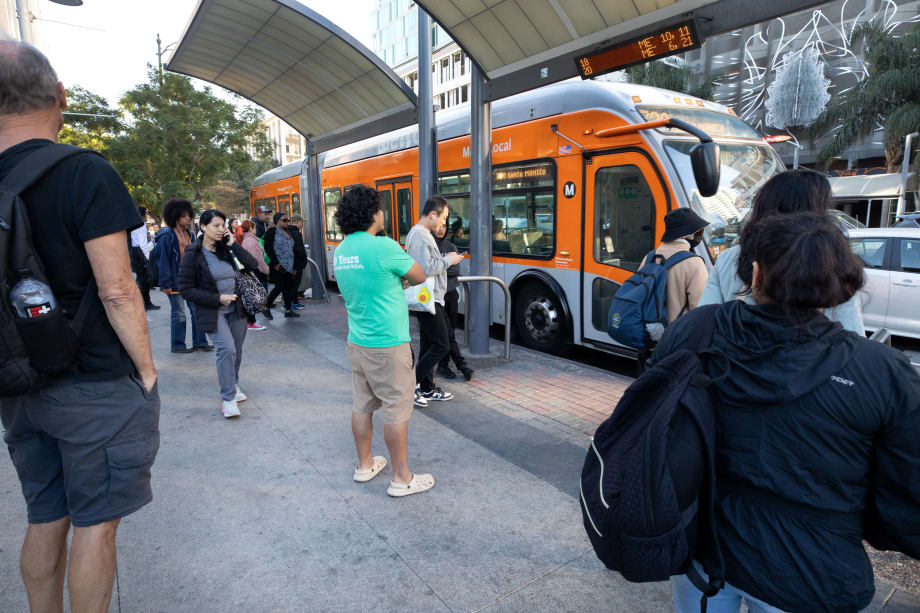
LA Metro's New development by their Hollywood Station is hopes to provide residents with easy access to their transit systems.
Photo: LA Metro
2 min to read
The Board of the Los Angeles County Metropolitan Transportation Authority (Metro) has authorized a joint development agreement with NOHO Development Associates, LLC to build and operate an 11.8-acre development. The development will include mixed income housing, retail, office, and open space at the Metro North Hollywood Station.
The residential development is known as District NoHo and will be the largest in Metro’s history. More affordable homes and total units are included in the project than any others.
Metro’s Largest Housing Project
The development includes at least 311 housing units reserved for individuals and families earning less than 60% of the median income for Los Angeles County, which will be delivered in the initial phases of the project.
The initial phase includes the construction of approximately 570 mixed-income apartments with five percent reserved for moderate-income households.
When completed the project will provide more than 1,400 apartments along with retail and office space. There will also be more than two acres of publicly accessible open space.
“We have to get creative if we’re going to build the housing we need in LA County, and District NoHo is an ambitious model of how we can maximize the space around our stations,” said LA County Supervisor and Metro Board Chair Janice Hahn. “This is not only going to provide hundreds of new affordable homes for people, it’s also going to give them direct access to our Metro rail system with a station right downstairs. It may be the biggest effort like this so far along Metro, but it will not be the last.”
Planning for the Future
Metro’s Vision 2028 Strategic Plan encourages the development of affordable housing near transit to give more people better access to transit. In 2021 a goal of expanding Metro’s housing portfolio through the Joint Development program to 10,000 homes by 2031 was adopted. 5,000 of hose homes are to be restricted at affordable rents for lower and moderate-income households.
Metro has partnered with local developers to increase the supply of high-quality housing on Metro properties. In addition to providing much-needed housing, these new projects can advance community development goals and serve as a gateway to the Metro transit system.
“Metro’s approach to Joint Development starts with a basic principle: Communities are stronger when people have a diverse range of housing options, jobs, and services located near quality transit,” said Metro CEO Stephanie Wiggins. “Metro has a strong interest in ensuring the people who ride public transportation can afford to live near it. By directly linking Metro’s network to housing, employment, retail, and commercial opportunities, Metro expects to continue to grow transit ridership.”
More Management

METRO Opens Submissions for 2026 Motorcoach Awards
Nominations are now being accepted for METRO Magazine’s Operator of the Year and Innovative Operator of the Year awards.
Read More →
New York MTA Advances Final Contract for Second Avenue Subway Expansion
Contract Four is the largest in the Second Avenue Subway Phase 2 project and includes construction of station infrastructure, tracks, and signals for the subway expansion, MTA officials said. Work on Contract Four will begin in 2027.
Read More →
Transit Agencies Highlight Safety Gains at National Summit
Leaders from 15 major transit systems shared crime-reduction results and safety initiatives while discussing the role of continued federal support.
Read More →

NITA Names New Leadership, Expands Reduced-Fare Program at First Board Meeting
The new regional transit authority appointed its first board chair and interim executive director while extending reduced fares across CTA, Metra, and Pace for eligible riders.
Read More →
Beyond the Checklist: A Structured Approach to Transit Maintenance
Reliability-Centered Maintenance helps transit agencies move beyond routine checklists to focus limited resources on the assets and failures that have the greatest impact on safety, reliability, and service.
Read More →
APTA 2026 Nominating Committee Selects Leadership Slate, Names Chair and Vice Chair Nominees
Leadership changes will help shape the association’s priorities and its representation of the transportation industry during the 2026–2027 term.
Read More →
DART Launches Major Security, Fare Enforcement Initiative
The 90-day demonstration will deploy coordinated security teams at five light rail stations while testing controlled access and gathering data to guide future investments.
Read More →
Sponsored•September 9, 2026
Advancing Fare Collection Through Technology and Innovation
Learn about delivering 1300 gates at 91 stations while managing fare evasion. Explore the large scale deployment, solution customization and real-world results that affect the region. Prepare for deployment in your region now.
Read More →
Game Day in Motion: Moving Millions During the 2026 World Cup
Between packed transit stations and team motorcoaches, see how agencies and operators across North America tackled the transportation demands of the 2026 FIFA World Cup.
Read More →
Surface Transportation Extension Averts Shutdown, Leaves Transit Funding Gap
The stopgap keeps federal transportation programs moving, but missing advance funding could complicate the transit and rail projects agencies are planning next.
Read More →