



LA Metro Lands FTA Grant for Travel Rewards Program
The $700,000 grant will be used to develop a $1.3 million Travel Rewards Research Pilot Project.
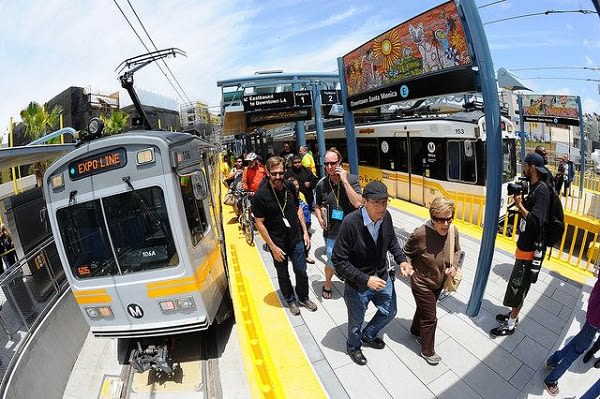
The pilot program will focus on understanding how people choose to travel around the county and region, and envision rewards for people taking transit and other alternatives to driving alone.
LA Metro
The Federal Transit Administration has awarded $700,000 to the Los Angeles County Metropolitan Transportation Authority (Metro) to develop a $1.3-million Travel Rewards Research Pilot Project.
With this grant, Metro is partnering with the Harvard School of Business, the Duke Center for Advanced Hindsight, and private sector technology and mobility partners to identify and test the most effective incentives to persuade travelers to skip driving alone and instead choose transit, ridesharing, walking, bicycling, or telecommuting. The approximately $1.3-million budget for the project includes $412,000 of in-kind development from private technology partners.
The FTA grant was awarded as part of its Accelerating Innovative Mobility program, which is designed to drive innovation by promoting forward-thinking approaches to improve transit financing, system design, and service.
“Now, more than ever, it’s important for Metro to find innovative ways to not just recover, but come back stronger from this challenging pandemic,” said Metro CEO Phillip A. Washington. “We’re thankful that this grant from the FTA will allow us to explore creative new ways to get more people walking, biking, rolling, and riding on transit to help solve traffic in Los Angeles County.”
The idea for the pilot came from a 2018 forum hosted by Metro’s Office of Extraordinary Innovation called “Think You Can Solve Traffic?” The forum was designed to solicit private industry solutions to solving traffic problems in L.A. County. From that forum came several proposals to develop a travel rewards incentive program to get more riders to choose transit over driving alone.
The project will focus on understanding how people choose to travel around the county and region. Not only will it encourage people to take transit and other alternatives to driving alone, it also envisions rewarding them for their actions. It will also help Metro’s goals of reducing traffic and travel times.
The results of the pilot will be shared with other transit agencies, allowing them to learn from and consider adopting the lessons learned by Metro’s pilot.
More Management
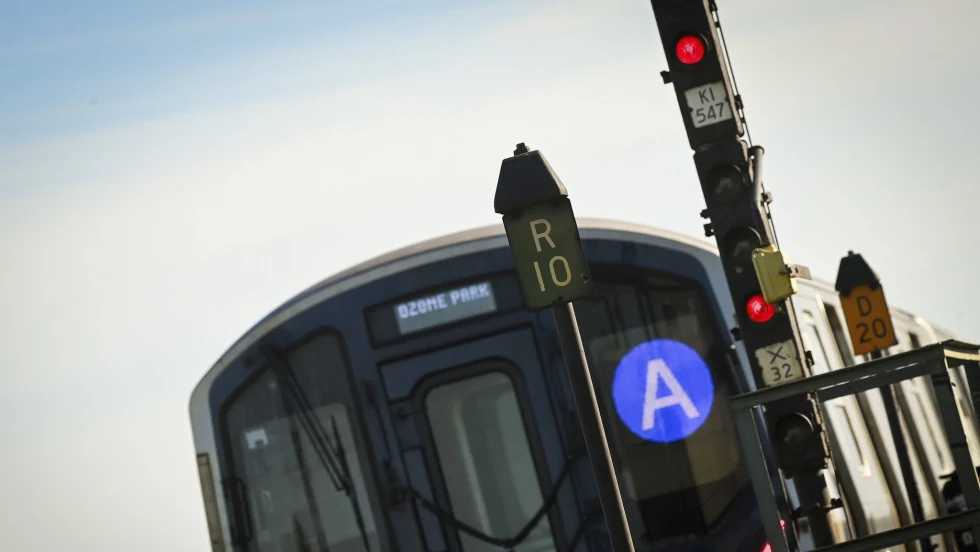
New York MTA Launches Historic $1.9B Signal, Track Modernization Project
Funded in part by congestion pricing revenue, the project will replace nearly century-old signals along the A and C lines in Brooklyn and Queens.
Read More →
Brian Dickson on Building Stronger, More Resilient Transportation Organizations
Bus Business Consultants Founder Brian Dickson discusses the leadership principles, operational discipline, and strategic planning that separate transportation companies positioned for long-term success from those stuck in survival mode.
Read More →
LA Metro Breaks Ground on Vermont BRT Project
The 12.4-mile corridor is projected to serve 66,200 daily riders, reduce travel times by up to 24%, and create the nation's busiest bus rapid transit corridor.
Read More →
Building Stronger Leaders, More Resilient Transit Teams
Dr. Carol Parker Walsh discusses leadership development, employee retention, workplace culture, and preparing transit’s workforce for AI and automation.
Read More →
Roman Cornell on ABC Companies’ Evolution and the Future of Passenger Transportation
The company’s CEO discusses carrying forward a third-generation family legacy, ABC’s continued evolution in passenger transportation, support for increasingly complex fleets, and how technology and continued investment could help operators improve uptime.
Read More →
CATS Launches West Charlotte Microtransit Zone, Expands Transit Services
The new microtransit zone connects residents to key destinations as Charlotte Area Transit System rolls out the first phase of its 2055 Transit System Plan.
Read More →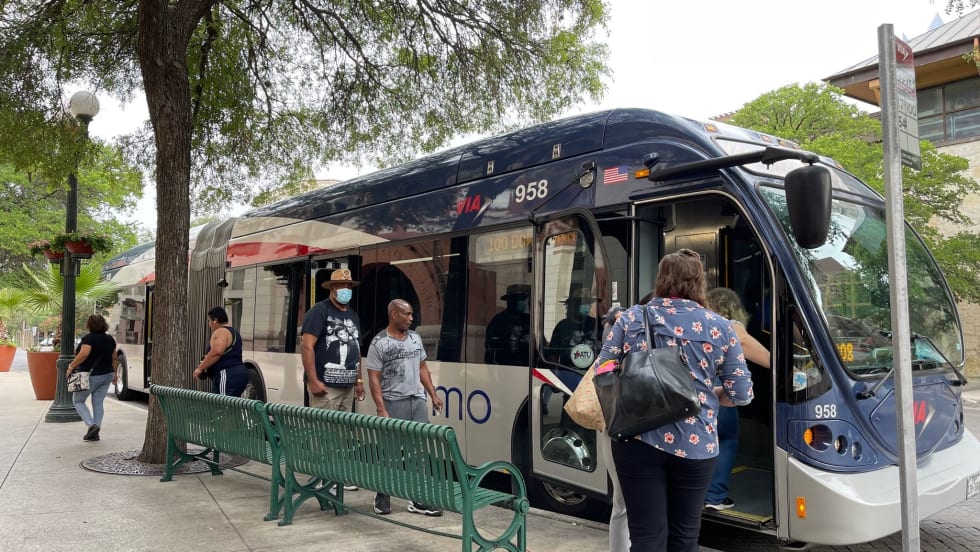
VIA Bus Ridership Grows 10.1% Through August 2026
San Antonio's VIA Metropolitan Transit reported the highest bus ridership growth among major Texas transit systems. Federal Transit Administration data ranked it second among the nation's 50 largest transit systems.
Read More →
CSA Group Releases Climate Resilience Standard for Transit, Passenger Rail
Developed with support from the Standards Council of Canada, CSA D700 guides assessing climate-related risks and planning adaptation measures for transit and passenger rail systems.
Read More →
ETA CEO John Maglio on Transit Technology, Innovation, and Building Agency Trust
ETA founder and CEO John Maglio explores the evolution of transit technology, the importance of reliable systems, and how stronger partnerships can help agencies improve operations and the passenger experience.
Read More →
COTA Launches First Customer Experience Action Plan to Improve Transit Service
The new plan outlines improvements to service reliability, accessibility, communication, and the overall rider experience across Central Ohio's transit system.
Read More →