




Read More: New York MTA Testing New Features on Buses to Improve Operator, Customer Safety
New York Gov. Provides Update on MTA Credit Rating
The improved credit rating outlook is expected to boost investor confidence in the MTA and could lead to reduced interest rates paid by the MTA on future capital program bonds issued using the Transportation Revenue Credit.
September 20, 2023
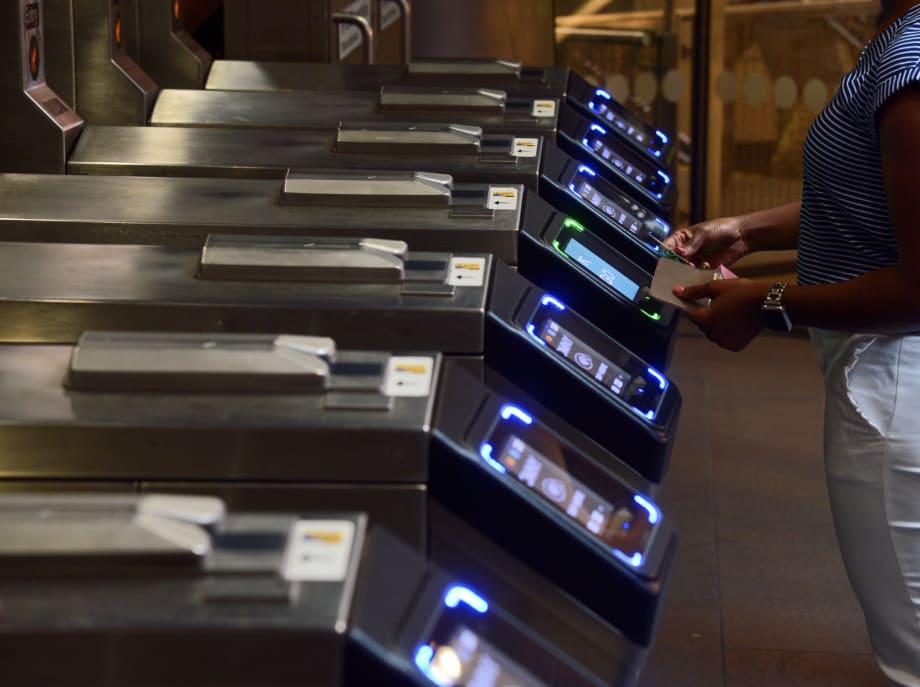
In July, the MTA released its five-year financial plan that projects a balanced budget through 2027, the first time in more than 20 years the Authority has projected a balanced budget for five consecutive years.
Photo: MTA
3 min to read
New York Governor Kathy Hochul announced the Metropolitan Transportation Authority received a strengthened credit rating outlook from Moody’s Investors Service, which amended the outlook of its A3 rating for the MTA’s Transportation Revenue Bonds rating to “positive” from “stable.”
Moody’s commented that it is making the update based on the increase in State tax support secured by Governor Hochul in the latest State Budget, which led the MTA to forecast five years of balanced budgets for the first time in its history.
"The MTA is a critical resource for millions of New Yorkers, and that's why I fought so hard to save them from the looming fiscal cliff," Governor Hochul said. "The budget investments we made this year will make transit better for commuters throughout the region, and I'm pleased to see Moody's recognizing these investments through the improved rating outlook."
Closer Look at MTA's Credit Rating
The improved credit rating outlook is expected to boost investor confidence in the MTA and could lead to reduced interest rates paid by the MTA on future capital program bonds issued using the Transportation Revenue Credit.
In July, the MTA released its five-year financial plan that projects a balanced budget through 2027, the first time in more than 20 years the Authority has projected a balanced budget for five consecutive years.
A one-time State subsidy of $300 million, new dedicated revenue funding sources, including an increase to the Payroll Mobility Tax, an increase of City funding for paratransit, and other dedicated taxes in the FY 2024 New York State Budget, have strengthened the MTA’s financial profile, along with a modest fare and toll increase.
At the same time, the MTA’s post-COVID ridership recovery continues to track along the mid-point of a range predicted by McKinsey in July 2022, with daily ridership now regularly surpassing two-thirds of pre-COVID levels or 6.5 million trips on a daily basis.
The credit rating outlook of MTA’s Transportation Revenue Bonds, backed by a diverse basket of revenues including fares and tolls paid by MTA customers and State revenue streams, reflects the performance of the operating budget and is a barometer of the MTA’s overall financial health.
Prior to the COVID-19 pandemic, the credit was rated A1 with a negative outlook, due to concerns about flattening ridership trends, escalating leverage that included growing market access risk, and large debt and capital needs. In April 2020, the credit rating was downgraded to an A2 and again in September 2020 to A3, with a negative outlook.
Following federal funding which provided short-term relief, Moody’s revised the outlook to stable, at the same rating A3, in April 2021.
“As I said back in July, Governor Hochul and the State Legislature delivered for riders with this year’s budget, securing the MTA's current and future financial stability," said MTA CEO Janno Liebe. "Moody’s action improving their credit outlook for the MTA reflects that significant financial progress, as well as the steady return of ridership and our success beating back subway crime.”
More Management

METRO Opens Submissions for 2026 Motorcoach Awards
Nominations are now being accepted for METRO Magazine’s Operator of the Year and Innovative Operator of the Year awards.
Read More →
New York MTA Advances Final Contract for Second Avenue Subway Expansion
Contract Four is the largest in the Second Avenue Subway Phase 2 project and includes construction of station infrastructure, tracks, and signals for the subway expansion, MTA officials said. Work on Contract Four will begin in 2027.
Read More →
Transit Agencies Highlight Safety Gains at National Summit
Leaders from 15 major transit systems shared crime-reduction results and safety initiatives while discussing the role of continued federal support.
Read More →

NITA Names New Leadership, Expands Reduced-Fare Program at First Board Meeting
The new regional transit authority appointed its first board chair and interim executive director while extending reduced fares across CTA, Metra, and Pace for eligible riders.
Read More →
Beyond the Checklist: A Structured Approach to Transit Maintenance
Reliability-Centered Maintenance helps transit agencies move beyond routine checklists to focus limited resources on the assets and failures that have the greatest impact on safety, reliability, and service.
Read More →
APTA 2026 Nominating Committee Selects Leadership Slate, Names Chair and Vice Chair Nominees
Leadership changes will help shape the association’s priorities and its representation of the transportation industry during the 2026–2027 term.
Read More →
DART Launches Major Security, Fare Enforcement Initiative
The 90-day demonstration will deploy coordinated security teams at five light rail stations while testing controlled access and gathering data to guide future investments.
Read More →
Sponsored•September 9, 2026
Advancing Fare Collection Through Technology and Innovation
Learn about delivering 1300 gates at 91 stations while managing fare evasion. Explore the large scale deployment, solution customization and real-world results that affect the region. Prepare for deployment in your region now.
Read More →
Game Day in Motion: Moving Millions During the 2026 World Cup
Between packed transit stations and team motorcoaches, see how agencies and operators across North America tackled the transportation demands of the 2026 FIFA World Cup.
Read More →
Surface Transportation Extension Averts Shutdown, Leaves Transit Funding Gap
The stopgap keeps federal transportation programs moving, but missing advance funding could complicate the transit and rail projects agencies are planning next.
Read More →