



Pace's T.J. Ross announces retirement
Career includes public and private sector experience with positions as planner, engineer, maintenance director, GM, and executive director.



Chicago Pace Executive Director Thomas (T.J.) Ross will retire at the end of November after 20 years of service to the agency. The announcement follows months of preparation with Pace Board of Directors and executives.
Ross became Pace's executive director in July 1998. His transit career includes 19 years in the private sector and 25 years in the public sector during which he has held the positions of planner, engineer, maintenance director, GM, and executive director.
"One of T.J.'s greatest attributes has been his commitment to this agency and to the people of our region," said Pace Chairman Rick Kwasneski. "We are losing a wealth of knowledge and a dedicated public servant with his departure. I am sad to see him go, but I know that Pace will flourish with the solid foundation he leaves behind."
During his tenure, Ross's key accomplishments have included:
Agency's largest service expansion with the I-90 Market Expansion project in conjunction with the Illinois Tollway's Jane Addams Memorial Tollway SmartRoad project,
Construction of the Harvey and Chicago Heights transportation centers, the implementation of Transit Signal Priority in South Cook County,
Construction of a new Pace headquarters in Arlington Heights,
Launch of Pace's website, the conversion of Pace's fixed-route fleet to all accessible low-floor buses,
Conversion of the South Division fleet and facility to compressed natural gas, the installation of bike racks through Pace's Bike on Buses program,
Launch of WebWatch (now BusTracker),
Launch of dozens of new routes and hundreds of vanpools, the transfer of Chicago ADA Paratransit Service from the CTA to Pace, and the
Introduction of Wi-Fi to most Pace buses.
Pace Deputy Executive Director Rocky Donahue has been named interim executive director and will assume his new role when Ross departs on November 30.
More Management

Utilimarc Launches SmartReplace to Optimize Fleet Replacement Decisions
AI-powered SmartReplace helps fleets prioritize vehicle replacements, model budget scenarios, and build more defensible long-term strategies.
Read More →
APTA Honors 2026 Award Winners, Hall of Fame Inductees at TRANSform & EXPO
Innovations in autonomous and zero-emission transportation, standout transit systems, and industry leadership took center stage among this year's honorees.
Read More →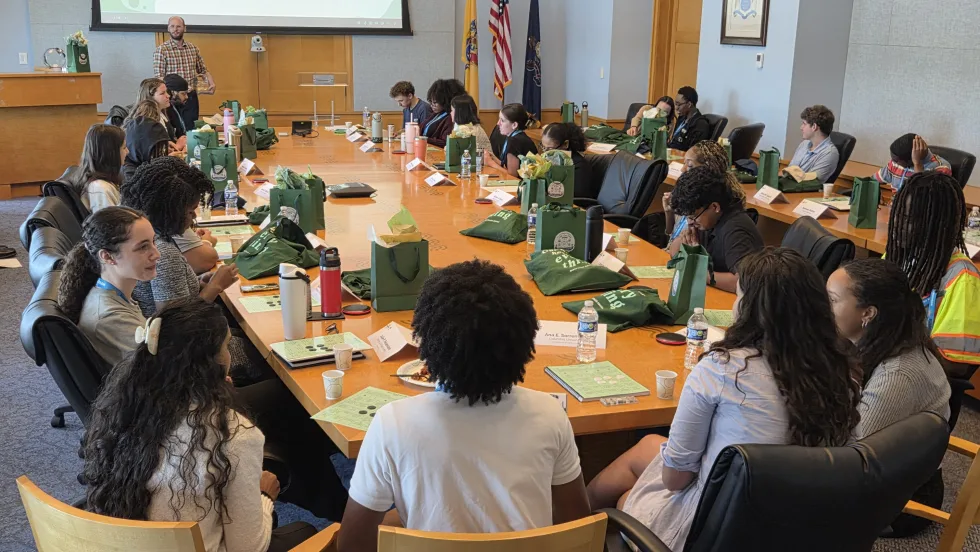
7 Ways to Build a Better Transit Internship Program
Lessons from DRPA/PATCO’s approach to creating a meaningful internship experience—and developing the next generation of transportation professionals.
Read More →
Scenes from APTA TRANSform & EXPO 2026
Transit leaders, manufacturers, and industry professionals gathered in Chicago to explore new technologies, share ideas, and discuss the future of public transportation.
Read More →
Building Stronger Leaders, More Resilient Transit Teams
Dr. Carol Parker Walsh discusses leadership development, employee retention, workplace culture, and preparing transit’s workforce for AI and automation.
Read More →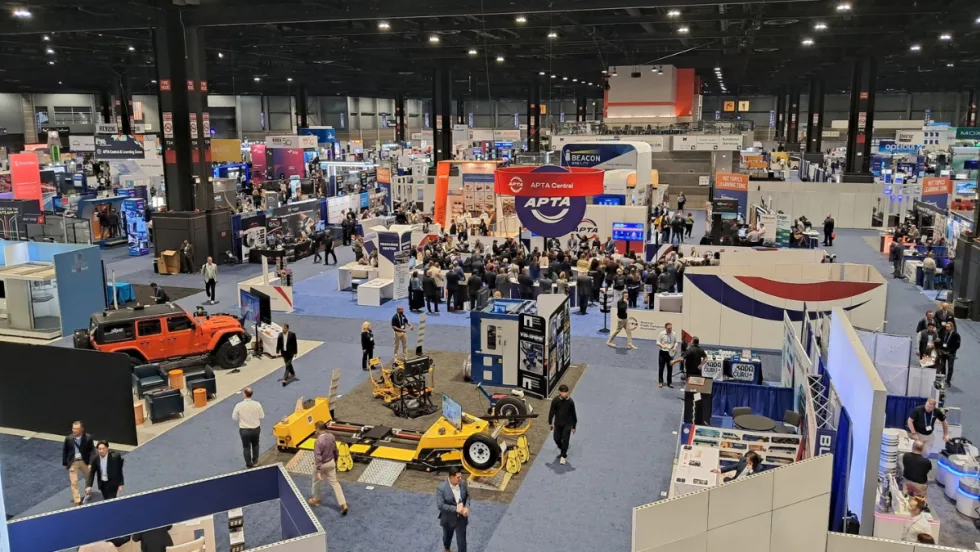
APTA 2026 TRANSform & EXPO Kicks Off in Chicago
After 45 years, APTA returns to Chicago with a focus on next-generation fleets, AI, connected transit networks, and the funding strategies shaping public transportation’s future.
Read More →
New York MTA Warns Federal Tariffs Could Add $1 Billion to Rolling Stock Costs
The agency said tariffs on specialized imported components could reduce the purchasing power of its $23 billion investment in new subway cars, railcars, and buses.
Read More →
From the Show Floor: What Happened at APTA TRANSform & EXPO 2026
See the latest product launches, partnerships, technology updates, and transit industry announcements from APTA TRANSform & EXPO in Chicago.
Read More →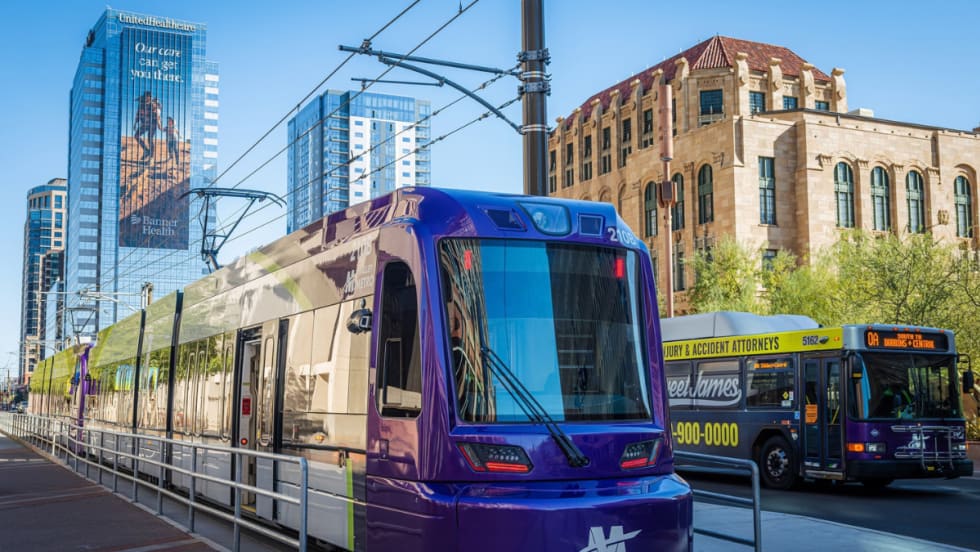
How Valley Metro Is Balancing Transit Growth With the Rider Experience
The APTA award-winning agency is pairing rapid system expansion with investments in workforce, safety, technology, and the fundamentals of transit service.
Read More →
Bus Tech Talk: Keeping Transit Technicians Ahead of the Technology Curve
In this episode of Bus Tech Talk, Complete Coach Works’ Business Development Manager Mark Hollenbeck and METRO’s Executive Editor Alex Roman sit down with Obed Mejia, Senior Technical Trainer for Bus Maintenance, at LA Metro to discuss how rapidly evolving bus technology is changing the maintenance shop — and the skills technicians need to keep pace.
Read More →