




Miss This? SilverRide, Seen Health Launch Chinese-Language PACE Platform in US
SilverRide Unveils New Branding, Reinforces Focus on High Level of Care in Transportation
The company's brand refresh highlights assisted rides with care, aiming to set it apart in a crowded mobility market.
September 15, 2025
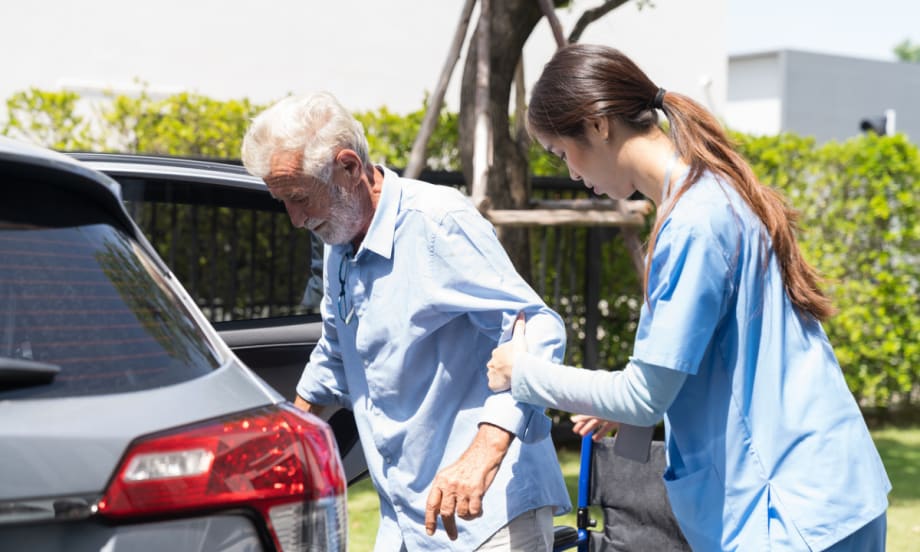
The timing of the brand refresh comes as SilverRide continues to experience growth, having doubled ridership volume to 74,000 monthly rides in the first half of 2025.
Photo: SilverRide
3 min to read
SilverRide recently announced its new branding, emphasizing the personal care element of the mobility-as-a-service platform for older adults and individuals with mobility or cognitive challenges in a crowded rideshare market.
Unveiled at the American Public Transportation Association's (APTA) Transform conference welcome reception in Boston, the company's new logo, design, and "There With Care" tagline underscore that SilverRide drivers go beyond enabling the transportation service.
According to a company release, America faces an unprecedented rate of aging, with nearly 20% of the population over 65 years old by 2030, however, "SilverRide will provide a level of human attention that traditional rideshare services do not offer."
SilverRide provides assisted mobility in communities across the country through three tailored market solutions addressing the varying physical, cognitive, linguistic, and cultural needs of aging adults and individuals with disabilities:
Paratransit Services: ADA/FTA-compliant, door-to-door transit for riders with special needs and mobility limitations, delivered through partnerships with public agencies.
PACE and Healthcare Transportation: Contracted door-through-door support for PACE and healthcare providers, including rides to care, community programs, and prescription retrievals or meal delivery. Supporting these programs includes coordination between drivers and interdisciplinary care teams, providing critical rider feedback as needed.
Direct-to-Consumer (Retail) Assisted Transportation: Door-through-door rides and companionship for older adults and people with disabilities, featuring high-touch support and comprehensive coordination.
"This isn't a typical brand refresh — this is us making crystal clear that we operate at a completely different level than any other rideshare or transportation company," said Jeff Maltz, CEO of SilverRide. "Our drivers don't just show up, complete a trip, and leave. They notice if someone's living space feels unsafe, if a regular rider seems different, or if basic needs aren't being met — and will share these observations with caregivers. This can be a life-changing or even life-saving difference."
What Does SilverRide's Brand Refresh Include?
The brand refresh maintains SilverRide's established name while better communicating what distinguishes its service model.
According to the release, SilverRide's highly credentialed drivers are trained to provide assisted transportation, recognizing changes in riders' conditions, making wellness observations, and ensuring that transportation becomes a "touchpoint for overall well-being rather than simply a logistical service."
"Transit agencies know that riders requiring greater physical or cognitive support need transportation providers who genuinely care about rider well-being, not just trip completion rates," said Tanya Castle, director of growth for transit agencies at SilverRide. "When agencies and their operators partner with SilverRide, they're committed to providing a service that treats every rider as a person whose quality of life and independence matter."
The brand evolution also reinforces SilverRide's dual focus on serving both government transit agencies and their operations partners, and private health services of PACE (Program of All-Inclusive Care for the Elderly) programs nationwide.
"PACE programs understand that every touchpoint is an opportunity to support participants' health and well-being," said Gerard Linsmeier, director of business development (PACE) at SilverRide. "Our drivers are trained observers who identify potential health changes or safety concerns that might otherwise go unnoticed - aligning perfectly with PACE's holistic approach to supporting independence and quality of life."

Left to right: Jeff Maltz, CEO of SilverRide; Laura Williams, director of market development; Kim Nguyen, growth manager; and Tanya Castle, director of growth for transit agencies.
Photo: SilverRide
SilverRide's Ridership Growing For Culturally Responsive Transportation
The timing of the brand refresh comes as SilverRide continues to experience growth, having doubled ridership volume to 74,000 monthly rides in the first half of 2025, compared to 35,000 in the same period last year. This growth reflects increasing demand from both transit agencies and PАСЕ programs.
According to the release, SilverRide's "There with Care" approach addresses the critical gap in transportation services where the rider experience is often transactional, rather than interactive, assisted, and culturally responsive.
"We provide a human element of care, support, and interaction — quite literally going the extra mile," said Maltz.
More Management

METRO Opens Submissions for 2026 Motorcoach Awards
Nominations are now being accepted for METRO Magazine’s Operator of the Year and Innovative Operator of the Year awards.
Read More →
New York MTA Advances Final Contract for Second Avenue Subway Expansion
Contract Four is the largest in the Second Avenue Subway Phase 2 project and includes construction of station infrastructure, tracks, and signals for the subway expansion, MTA officials said. Work on Contract Four will begin in 2027.
Read More →
Transit Agencies Highlight Safety Gains at National Summit
Leaders from 15 major transit systems shared crime-reduction results and safety initiatives while discussing the role of continued federal support.
Read More →

NITA Names New Leadership, Expands Reduced-Fare Program at First Board Meeting
The new regional transit authority appointed its first board chair and interim executive director while extending reduced fares across CTA, Metra, and Pace for eligible riders.
Read More →
Beyond the Checklist: A Structured Approach to Transit Maintenance
Reliability-Centered Maintenance helps transit agencies move beyond routine checklists to focus limited resources on the assets and failures that have the greatest impact on safety, reliability, and service.
Read More →
APTA 2026 Nominating Committee Selects Leadership Slate, Names Chair and Vice Chair Nominees
Leadership changes will help shape the association’s priorities and its representation of the transportation industry during the 2026–2027 term.
Read More →
DART Launches Major Security, Fare Enforcement Initiative
The 90-day demonstration will deploy coordinated security teams at five light rail stations while testing controlled access and gathering data to guide future investments.
Read More →
Sponsored•September 9, 2026
Advancing Fare Collection Through Technology and Innovation
Learn about delivering 1300 gates at 91 stations while managing fare evasion. Explore the large scale deployment, solution customization and real-world results that affect the region. Prepare for deployment in your region now.
Read More →
Game Day in Motion: Moving Millions During the 2026 World Cup
Between packed transit stations and team motorcoaches, see how agencies and operators across North America tackled the transportation demands of the 2026 FIFA World Cup.
Read More →
Surface Transportation Extension Averts Shutdown, Leaves Transit Funding Gap
The stopgap keeps federal transportation programs moving, but missing advance funding could complicate the transit and rail projects agencies are planning next.
Read More →