




Related: TransLink, Partners Commit to First Real Estate Development Project
TransLink Mayors Council to Advance Transit Funding
The Mayors’ Council is calling on senior levels of government to act to ready the TransLink transportation system for the future.
May 10, 2023
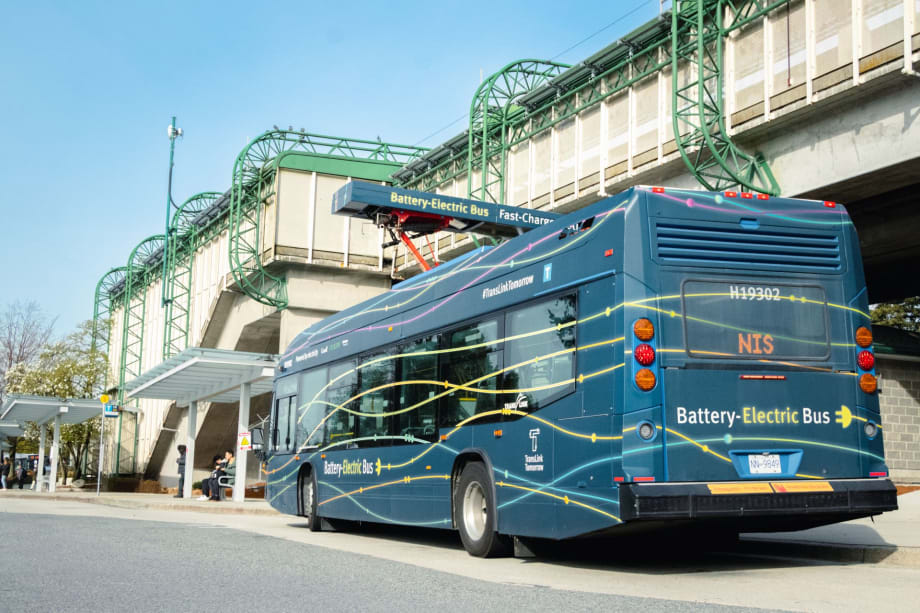
The Mayors’ Council is asking for the federal Permanent Transit Fund to be started earlier than planned, in 2024, to enable TransLink and other transit agencies to begin delivering better transit service without delay.
Photo: TransLink
3 min to read
A delegation of mayors from the Metro Vancouver region will be in Ottawa next week, calling on the federal government to expedite funding for public transit, according to TransLink's news release.
The Metro Vancouver transit system was the first metro area in North America to reach an 84% ridership recovery compared to pre-pandemic levels as of March 2023.
In many areas of the region, ridership is well above 100% of pre-pandemic levels and overcrowding is approaching 2019 levels when the system was severely congested.
TransLink Mayors’ Council
The TransLink Mayors’ Council is meeting with federal officials from May 15 to 17 to share information about "Access for Everyone," the new 10-year plan for expanding public transit across Metro Vancouver to reduce congestion and keep the region moving.
The $21 billion plan — also known as Transport 2050: 10-Year Priorities — will take a “bus-first” approach, doubling local bus service, building approximately 170 km of rapid transit, and improving infrastructure for drivers, cyclists, and pedestrians.
Raising Awareness for Public Transit
Next week’s trip marks the beginning of a campaign by the Mayors’ Council to raise awareness about the urgent need for investment in transit and transportation, and how the Access for Everyone plan will bring transit closer to more affordable parts of the region and lower GHG emissions by reducing traffic congestion.
In addition to lobbying senior governments, the campaign — launching May 15 — will include a website, community engagement, and media placements to ensure the region’s residents are familiar with the plan and its benefits.
“We want the voices of our residents to be heard in Ottawa and Victoria. Metro Vancouver’s population is growing fast and essential services like public transit are not keeping up,” said Mayor Brad West, chair of the TransLink Mayors’ Council. “Just like other core utilities that keep our region going — electricity, water, roads — public transit is key to our quality of life in Metro Vancouver and we urgently need to expand transit services as we add more people to the region.”
Between 2016 and 2022, federal immigration targets have nearly doubled.
With Metro Vancouver expected to grow by 50,000 people per year, the Mayors’ Council is calling on senior levels of government to act to ready the TransLink transportation system for the future.
“It’s important that residents across the region have access to reliable and efficient transportation options,” said Ken Sim, Mayor of the City of Vancouver. “Access for Everyone will improve transportation links in every corner of the region, helping people get where they need to go. In the spirit of collaboration, we ask the Federal Government to renew its partnership with our region and province to ensure this plan can be fully funded.”
The Mayors’ Council is asking for the federal Permanent Transit Fund (announced in 2021) to be started earlier than planned, in 2024, to enable TransLink and other transit agencies to begin delivering better transit service without delay.
The Mayors’ Council also wants to see the Government of Canada launch a tri-partite national commission together with provinces, transit agencies, and local governments to develop a new funding model for public transit which will enable Canada’s big cities to plan and build new transit.
More Management

FTA Ends Direct Oversight of MBTA Safety Actions
The federal agency closed its remaining special directive to the Massachusetts Department of Public Utilities following a safety review that began in 2022.
Read More →
Report: Transit Bus Manufacturing Supports 34,100 Jobs, $5.1B in GDP
The “Buses Mean Business” report examines the transit bus manufacturing industry’s economic footprint, supply chain, and rising demand for vehicle replacements.
Read More →
LIT Marks 10-Year Milestone at Annual Summit
Hosted by the COTA from September 10 to 13, the Summit carried the theme “Celebrating 10 Years of Excellence, Leadership, and Impact,” with every part of the program honoring the people, agencies, and partners who built LIT over its first decade.
Read More →

People Movement: Dan Dipert Coaches Adds Third-Generation Leader, Keolis Names New Valley Metro VP/GM, and More
In this edition, we also cover recent appointments and announcements at the Wabtec, SilverRide, HNTB, and more, showcasing the individuals helping to shape the future of transportation.
Read More →
METRO Opens Submissions for 2026 Motorcoach Awards
Nominations are now being accepted for METRO Magazine’s Operator of the Year and Innovative Operator of the Year awards.
Read More →
New York MTA Advances Final Contract for Second Avenue Subway Expansion
Contract Four is the largest in the Second Avenue Subway Phase 2 project and includes construction of station infrastructure, tracks, and signals for the subway expansion, MTA officials said. Work on Contract Four will begin in 2027.
Read More →
Transit Agencies Highlight Safety Gains at National Summit
Leaders from 15 major transit systems shared crime-reduction results and safety initiatives while discussing the role of continued federal support.
Read More →
NITA Names New Leadership, Expands Reduced-Fare Program at First Board Meeting
The new regional transit authority appointed its first board chair and interim executive director while extending reduced fares across CTA, Metra, and Pace for eligible riders.
Read More →
Beyond the Checklist: A Structured Approach to Transit Maintenance
Reliability-Centered Maintenance helps transit agencies move beyond routine checklists to focus limited resources on the assets and failures that have the greatest impact on safety, reliability, and service.
Read More →
APTA 2026 Nominating Committee Selects Leadership Slate, Names Chair and Vice Chair Nominees
Leadership changes will help shape the association’s priorities and its representation of the transportation industry during the 2026–2027 term.
Read More →