TransLink Study Shows Developer Incentives Boost Ridership, Revenues
The results demonstrate that encouraging developers to offer transit passes as part of new developments has the effect of encouraging more transit use and boosting revenues for the system.
Transit incentives are already an option for developers to meet sustainability requirements in some municipalities.
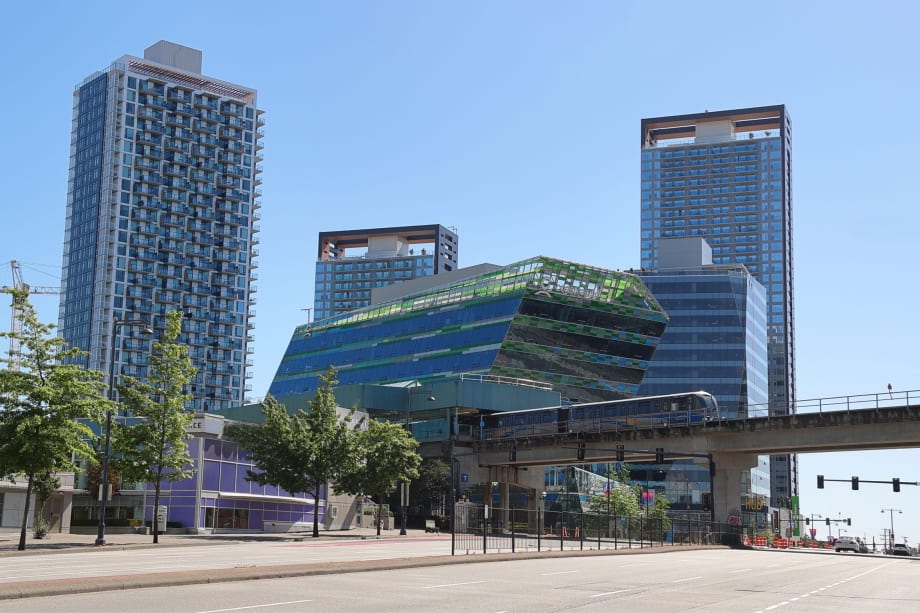
Photo: TransLink
2 min to read
Vancouver’s TransLink and PCI Developments (PCI) are releasing study results showing that developer-sponsored incentives encourage higher levels of transit use by people living or working in transit-oriented developments while creating a new stream of revenue for transit services.
Transit incentives are already an option for developers to meet sustainability requirements in some municipalities. These results demonstrate that encouraging developers to offer transit passes as part of new developments has the effect of encouraging more transit use and boosting revenues for the system.
Ad Loading...
“This study gives us a clearer picture of how people travel when they work or live near SkyTrain,” says TransLink CEO Kevin Quinn. “These results show that developer-granted incentives would lead to more transit use, less car-dependency, and a new revenue stream independent from taxes.”
TransLink surveyed participants and monitored travel patterns before and after the subsidy was given, and the results showed that transit use increased by around 10% during the three-month study.
Photo: TransLink
Study Results
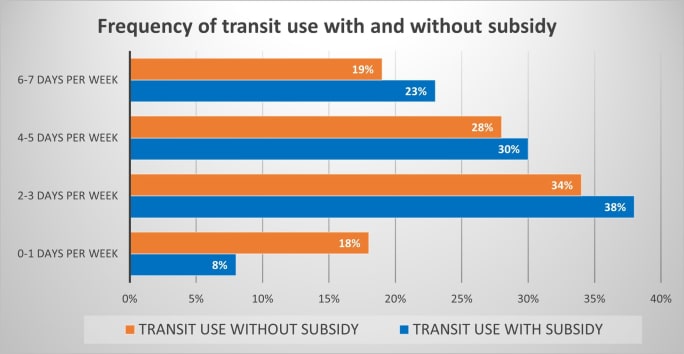
PCI gave Compass Cards with $150 stored value to 300 residents or employees of King George Hub, a transit-oriented development near King George SkyTrain Station. TransLink surveyed participants and monitored travel patterns before and after the subsidy was given, and the results showed that transit use increased by around 10% during the three-month study.
Before the subsidy, 82% of participants used transit twice a week or more. After the subsidy was given, that number grew to 92%. The growth implies that people who choose to live or work near rapid transit options like SkyTrain are more likely to take transit if they are provided with subsidized transit.
TransLink will be sharing these results with regional municipalities. Other key findings include:
Approximately 50% of participants do not own private vehicles. Around 40 per cent own one vehicle for their household.
In the three months of the pilot, over 12,000 transit trips were taken by the 300 participants.
Ad Loading...
The initial findings are encouraging but provide data for a small sample of people and over a short period of time. TransLink continues to seek partners to support a study with a larger sample over a longer period of time, to replicate these results.
Contract Four is the largest in the Second Avenue Subway Phase 2 project and includes construction of station infrastructure, tracks, and signals for the subway expansion, MTA officials said. Work on Contract Four will begin in 2027.
The new regional transit authority appointed its first board chair and interim executive director while extending reduced fares across CTA, Metra, and Pace for eligible riders.
Reliability-Centered Maintenance helps transit agencies move beyond routine checklists to focus limited resources on the assets and failures that have the greatest impact on safety, reliability, and service.
The 90-day demonstration will deploy coordinated security teams at five light rail stations while testing controlled access and gathering data to guide future investments.
Learn about delivering 1300 gates at 91 stations while managing fare evasion. Explore the large scale deployment, solution customization and real-world results that affect the region. Prepare for deployment in your region now.
Between packed transit stations and team motorcoaches, see how agencies and operators across North America tackled the transportation demands of the 2026 FIFA World Cup.
The stopgap keeps federal transportation programs moving, but missing advance funding could complicate the transit and rail projects agencies are planning next.