



U.S. DOT Maps Out Progress Delivering on Improved Transportation, Infrastructure
As part of BIL, the Administration made several investments, including upgrading rail service on the Northeast Corridor, reducing Amtrak and commuter rail delays for over 200 million trips annually.

Photo: DOT
The U.S. Department of Transportation (DOT) released a report updating the public on the Biden-Harris Administration efforts to improve America’s transportation infrastructure.
The report includes updates on DOT’s key priorities, including rail safety, strengthening consumer protections for air travelers, and the implementation of the Bipartisan Infrastructure Law (BIL), among others.
“We are delivering for the American people with the resources now available because President Biden's Bipartisan Infrastructure Law reversed decades of underinvestment in our transportation systems,” said Transportation Secretary Pete Buttigieg. “The public placed great trust in DOT, and we are honoring that trust by making improvements to transportation that get people and goods to where they need to be more safely, affordably, and sustainably while creating good-paying jobs.”
To view the DOT 2021-2023 Progress Report, click here. Some highlights are below.
Making Generational Investments to Rebuild America
As part of BIL, the Administration made several investments, including:
Awarding over $200 billion to over 40,000 projects nationwide, supporting tens of thousands of jobs.
Upgrading rail service on the Northeast Corridor, reducing Amtrak and commuter rail delays for over 200 million trips annually.
Funded repairs to 7,800 bridges and improving 135,000 miles of roads.
Advancing Equity
Funding $3.3 billion to improve mobility and access through the Reconnecting Communities and Neighborhoods program.
Awarded over $2 billion in direct procurement to small, disadvantaged businesses in FY23.
Established project labor agreements for 319 FHWA projects totaling $9.9 billion, including $3.2 billion with local hire preferences.
Awarded $686 million to improve accessibility at transit stations.
Achieving Net-Zero Carbon Emissions
Released the U.S. National Blueprint for Transportation Decarbonization to achieve net-zero emissions by 2050.
Providing nearly $9 billion in funding for climate resilience projects to protect infrastructure from extreme weather.
Funded over 2,900 zero-emission and low-emission buses.
Building a Nationwide Electric Vehicle Charging Network
Expanded alternative fuel corridors to 79,000 miles of highways in all 50 states.
Provided more than $2.2 billion in funding to states and communities to build a nationwide EV charging network.
Set the nation on the path to meet President Biden’s vision of building 500,000 chargers by 2030.
Driving Innovation
Funded 59 smart community technology demonstration projects for the use of technologies, such as connected and automated vehicles, advanced traffic signals, and uncrewed aircraft systems.
Launched the Advanced Research Projects Agency-Infrastructure (ARPA-I) to spur the development of game-changing transportation technologies.
Awarded $450 million to 34 university consortia to develop the next generation of transportation technology and professionals.
More Management

People Movement: Connectpoint Expands Leadership Team, Stadler Names New Group CEO, and More
In this edition, we also spotlight recent personnel moves at Burns, UZURV, and more, highlighting the people taking on new roles across the transportation industry.
Read More →
More Than a Summer Job: Building the Next Generation of Transit Talent
The Delaware River Port Authority and PATCO have transformed their internship program into a hands-on professional development experience that introduces students to the breadth of transportation careers — and creates a pipeline for future employees.
Read More →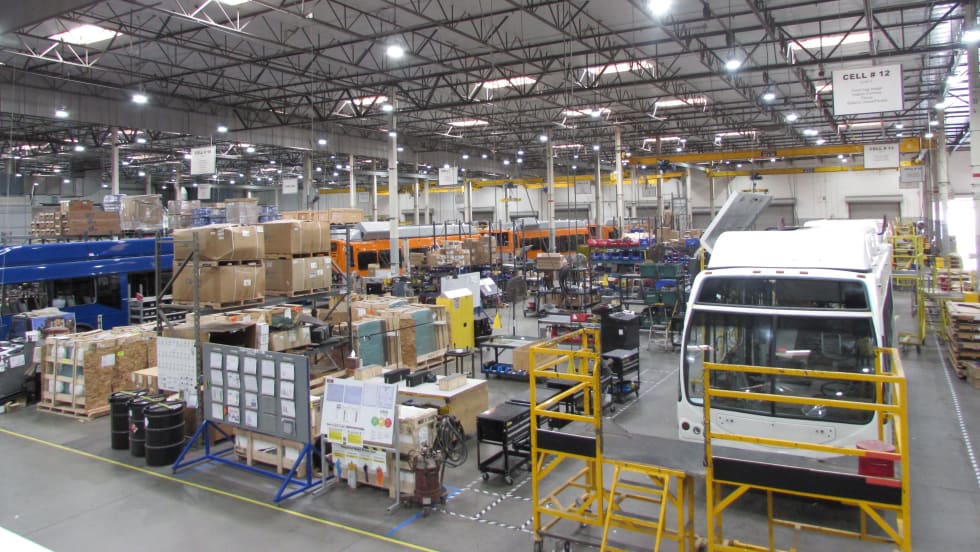
LA Metro Board Awards 220 Battery-Electric Bus Contract to ENC
The contract, which is the largest base award of battery-electric buses by a U.S. transit agency, will be built in Southern California, sustaining good jobs as LA prepares to welcome the world in 2028
Read More →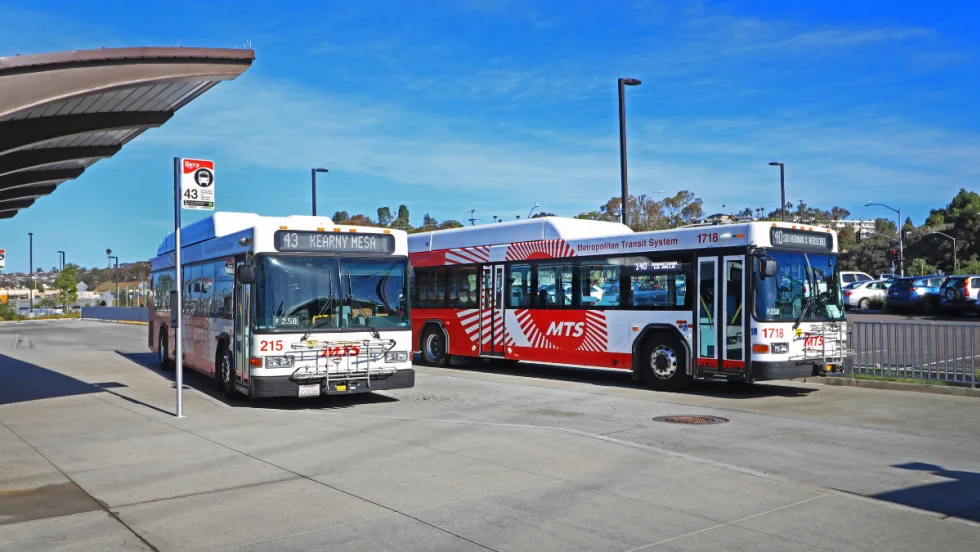
What’s Behind San Diego MTS’s Award-Winning Transit Strategy
Named one of APTA’s 2026 Outstanding Public Transportation Systems with 50 million or more annual passenger trips, California’s San Diego Metropolitan Transit System points to gains in ridership, safety, technology, and reliability as foundations of its success.
Read More →
Public Transit Conference Returning to GFX in 2027, Call for Papers Now Open
The Call for Papers is now open, allowing transit agency professionals and industry experts to help shape the PTC educational program by submitting session ideas for consideration.
Read More →
Indian River Transit’s Community-Focused Approach Earns National Recognition
Named APTA’s 2026 Outstanding Public Transportation System in its size category, Florida’s Indian River County transit system continues to grow ridership through fare-free service and a focus on evolving community needs.
Read More →
ENC Lands MATA Contract and More in Biz Briefs
In this edition of Biz Briefs, we spotlight the latest developments shaping the future of mobility.
Read More →
From Surviving to Thriving: Building Stronger Transportation Organizations
Bus Business Consultants founder Brian Dickson shares lessons on leadership, organizational health, and creating options for long-term success in a changing transportation industry.
Read More →
Everett Transit, Community Transit Outline Consolidation Agreement
The proposed agreement calls for a 50% increase in bus service in Everett, a new microtransit zone, continued paratransit service, and the transfer of Everett Transit operations to Community Transit.
Read More →
Strada360’s Steve Lassey on Turning Transit Data Into Better Decisions
From breaking down data silos to preparing for AI, Strada360 CEO Steve Lassey discusses how transit agencies can use technology to improve operations, customer information, and long-term decision-making.
Read More →