Of the $10 billion cost of SCORE, Metrolink has secured $1.5 billion and the agency will continue to work with partners to seek additional federal, state, and local grants.
Metrolink
2 min to read
Of the $10 billion cost of SCORE, Metrolink has secured $1.5 billion and the agency will continue to work with partners to seek additional federal, state, and local grants.
Metrolink
The California Transportation Commission (CTC) awarded $6.5 million dollars to Metrolink to begin design, rail operations modeling, and environmental assessment on the first projects in the Southern California Optimized Rail Expansion (SCORE) Program. SCORE is a $10 billion plan to improve regional rail by making service more reliable, consistent, and quieter in time for the 2028 Los Angeles Olympic Games.
The award is the first down payment on an $856 million grant from the Transit and Intercity Rail Capital Program (TIRCP) to provide grants from the Greenhouse Gas Reduction Fund and Senate Bill 1 to fund transformative capital improvements that will modernize the state’s transportation infrastructure. The TIRCP grant is the largest award ever allocated to Metrolink.
Ad Loading...
“The Southern California region is home to 21.5 million people and the population is projected to grow by one million more within 15 years,” said California State Transportation Agency (CalSTA) Secretary Brian C. Annis. “Improving Metrolink will ease worsening traffic here on the nation’s busiest freeways, reduce emissions and ensure that freight can move freely on local freeways and rail corridors to support our powerhouse economy.”
By funding more frequent, reliable and faster Metrolink and Amtrak service throughout the region, SCORE will provide an alternative to crowded freeways and help ease congestion and reduce air pollution.
Among SCORE benefits are safety enhancements that allow more Quiet Zones, where horns are not routinely blown at rail crossings. SCORE also funds a rail electrification study to reduce diesel emissions.
Of the $10 billion cost of SCORE, Metrolink has secured $1.5 billion and the agency will continue to work with partners to seek additional federal, state, and local grants.
The ATP board’s approval of the KAP team enables ATP to begin pre-construction activities, including advancing design, initiating permitting, and preparing the site for future construction.
The railroad has issued a formal request for proposals to manufacturers for more than 800 new passenger railcars that will serve 14 long-distance routes nationwide.
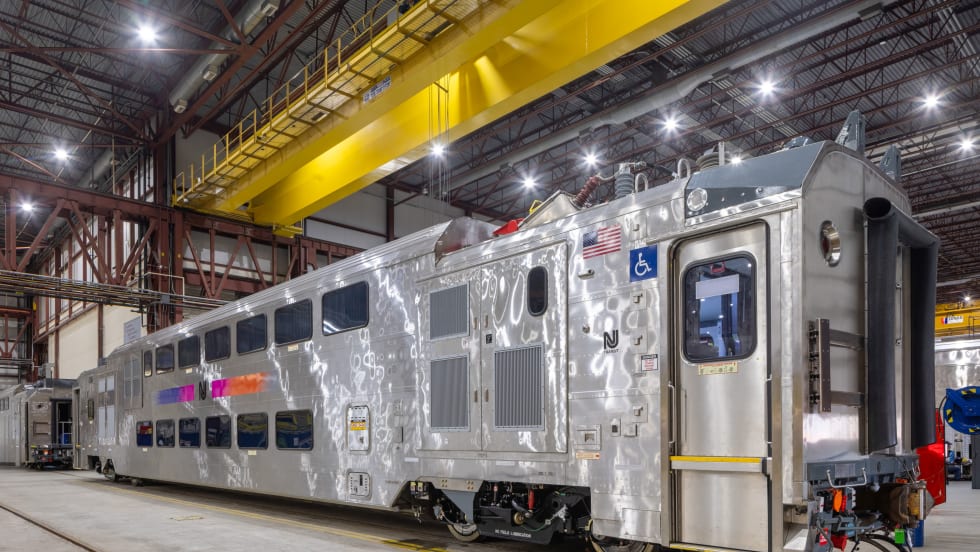
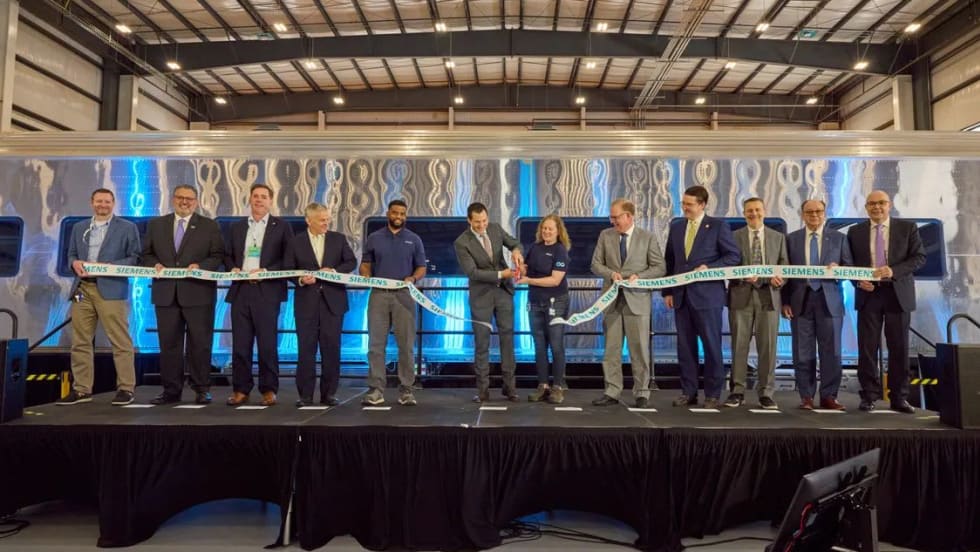
The delivery marks the first car in a 374‑vehicle order and begins the arrival of a new generation of higher‑capacity, more reliable, and more comfortable trains for one of the country’s busiest commuter rail systems.
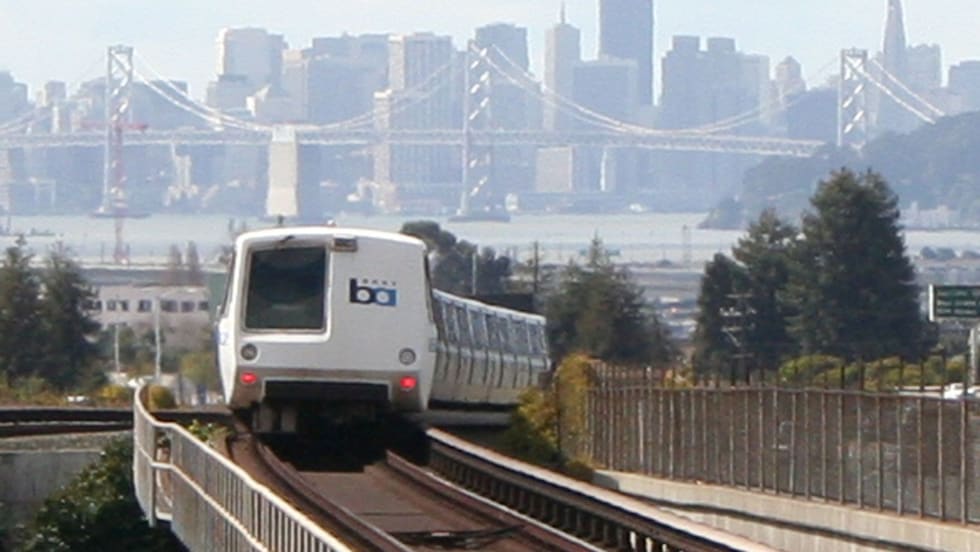
BART recorded 5,403,140 exits in March, making it the highest monthly ridership since the pandemic and surpassing the previous high set in October 2025 (5,346,890 exits).
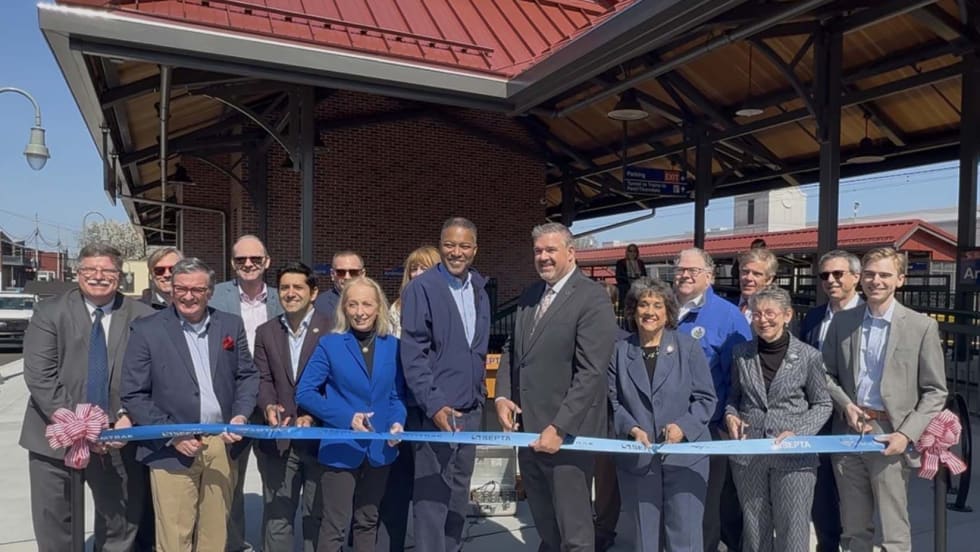
The station was rebuilt as part of SEPTA’s Station Accessibility Program, making it fully ADA accessible with new elevators, ramps, and high-level platforms.
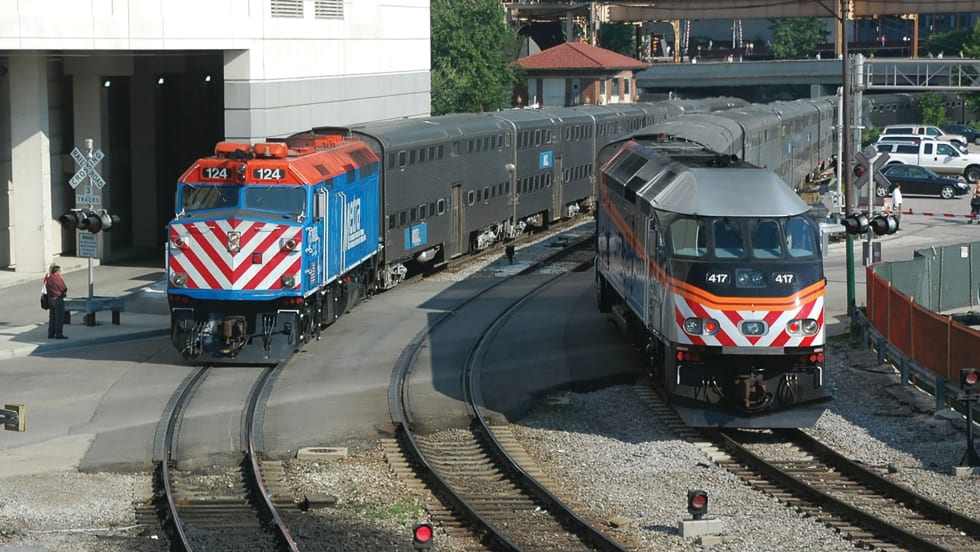
The announcement highlights the long-standing partnership between the Class I railroad and the commuter rail system, dating back to Metra's creation in 1983.
Crews completed a significant portion of the testing required before commissioning the new, digital signaling system, which will bring important upgrades that strengthen Red Line service reliability for riders and provide Red Line Operations the ability to route trains more quickly, turn trains around faster, and recover from unplanned disruptions more efficiently, said MBTA officials.