Thought leader and 21-time best-selling author Seth Godin recently shared in his daily blog a sentence that captured our attention “more and better aren't the same…" Indeed, and the space between more and better is the state of the public transit industry’s crossroad.
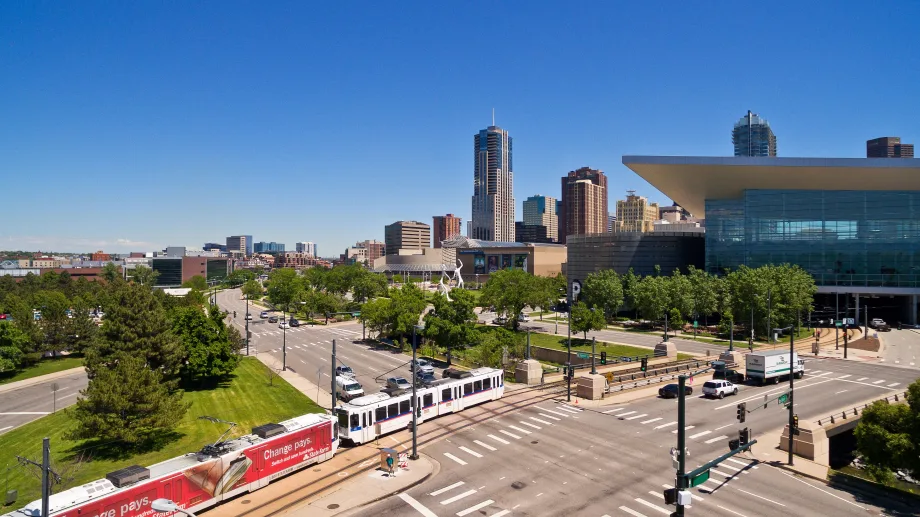
In Denver, transit agency executives and law enforcement are partnering to improve customer perceptions of personal security.
Photo: Denver RTD
3 min to read
Thought leader and 21-time best-selling author Seth Godin recently shared in his daily blog a sentence that captured our attention “more and better aren't the same…" Indeed, and the space between more and better is the state of the public transit industry’s crossroad.
The decades-old public transit performance playbook was designed to celebrate more ridership. However, elected officials invested in public transit at a record level during 2019-2021 when ridership was at its lowest level in 70 years because of the value transit services bring to communities. Highlighting “more and better aren't the same…".
Ad Loading...
How More and Better aren’t the Same
If Starbucks doesn't serve coffee, there are no coffee shops. While Starbucks aims to sell “more” coffee, they also aim to offer a “better” coffee experience.
Starbucks has achieved “better” through designing a gathering space for the entire community, baristas demonstrate pride and ownership in their craft, and they have created adjacent development from other businesses wanting to be located near them. The value of Starbucks in our society is far beyond drinking “more” coffee.
Transit agencies from coast to coast are leading a similar transformation in thinking from the old-school public transit playbook to modern thought leadership. Better is more than simply the "number of cups served".
In Albany, transit leaders are focused on measuring and delivering community value. In San Antonio, transit leaders are delivering industry-leading customer satisfaction levels. In Denver, transit agency executives and law enforcement are partnering to improve customer perceptions of personal security.
Modern transit is about measurable value. Transit thought leaders have worked to become less focused on looking inward and more focused on delivering customer and community-centric outcomes.
Ad Loading...
Modern transit recognizes that simply moving more people who don't like your product is not and never was cause for celebration. Modern transit recognizes it doesn't require buying 40-foot buses to provide mobility.
The old-school transit playbook used valuable operational inputs such as on-time performance and mean distance between failures to define success.
Those measures do not accurately, nor effectively, tell the whole story of how we can serve and satisfy our customers and communities.
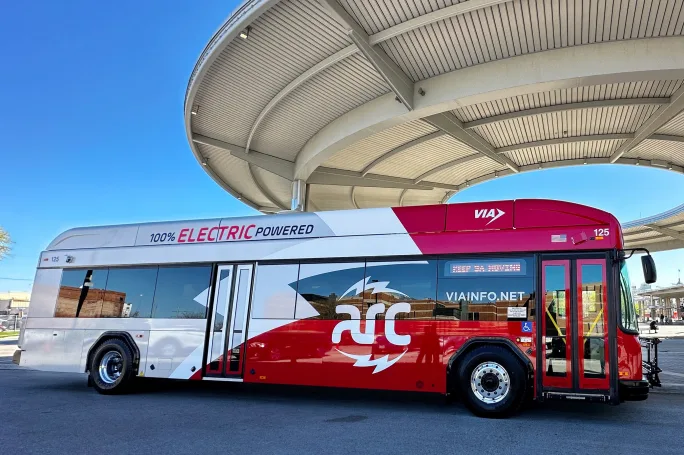
In San Antonio, transit leaders are delivering industry-leading customer satisfaction levels.
Photo: VIA
From Better to More
Modern transit leaders think about these very topics in a very different manner. The combination of customer-empowered Key Experience Indicators (KEIs = customer's perception of operational performance they find to be important)) combined with Key Performance Indicators (KPIs = agency operational performance on metrics customers prioritize) is the treasure trove of insight that can lead to “better” (increased satisfaction), and as a result, attract “more” customers to public transit.
Better creates more. More doesn't create better.
Ad Loading...
Dozens of transit agencies are leading this “more and better isn’t the same” conversation with:
With $610 million available through the FY 2026 Buses and Bus Facilities Competitive Program and the Low or No Emission Grant Program, agencies must build a compelling case before the September 21 deadline that balances environmental compliance with operational feasibility.
The global cycling conference highlighted how cities are integrating bicycles into multimodal transportation networks, expanding cycle tourism and reshaping urban mobility.
Mike Bismeyer — often known as “The Kindness Guy” — has spent more than 17 years in public transit and mobility, serving in industry leadership roles, speaking across North America, and advocating for stronger workplace cultures. But his message doesn’t come from theory. It comes from lived experience.
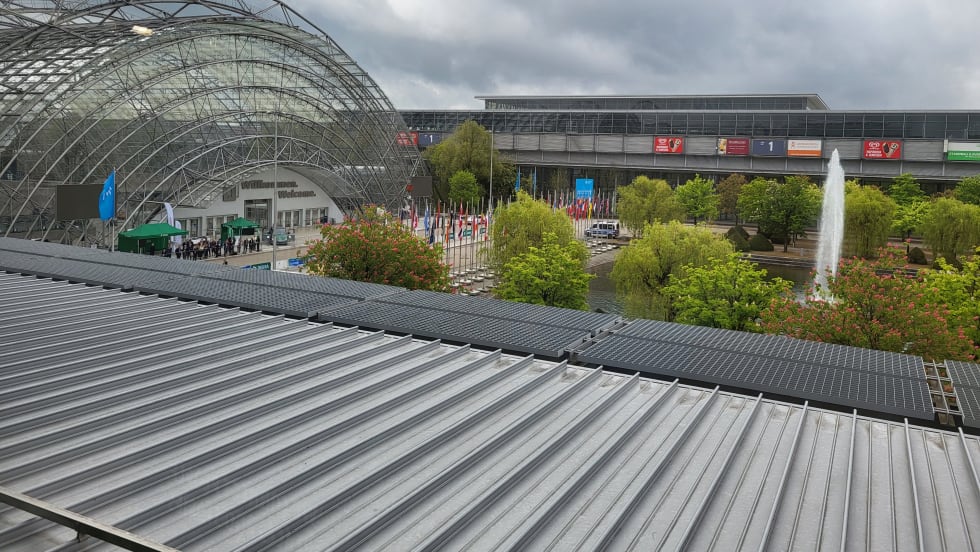
Transport leaders from around the world gathered in Leipzig, Germany, for the 2026 International Transport Forum to discuss resilience, climate impacts, supply chains and the future of sustainable mobility.
Polis comprises cities and regions, as well as corporate partners, from across Europe, promoting the development and implementation of sustainable mobility. This year’s event had over a thousand attendees across various policy forums and an exhibition.
Across North America and beyond, transit agency officials are contending with a perfect storm of operational headaches and strategic challenges that hamper daily service and long-term progress.
Simply incentivizing electrification is not enough to make a meaningful impact; we must shift our focus toward prioritizing public transportation and infrastructure.