



Smarter Strategies for Transit Fleet Electrification
Across North America, transit agencies are under growing pressure to electrify their fleets. Local and state mandates are driving the transition, and public expectations for cleaner, quieter transit are rising.
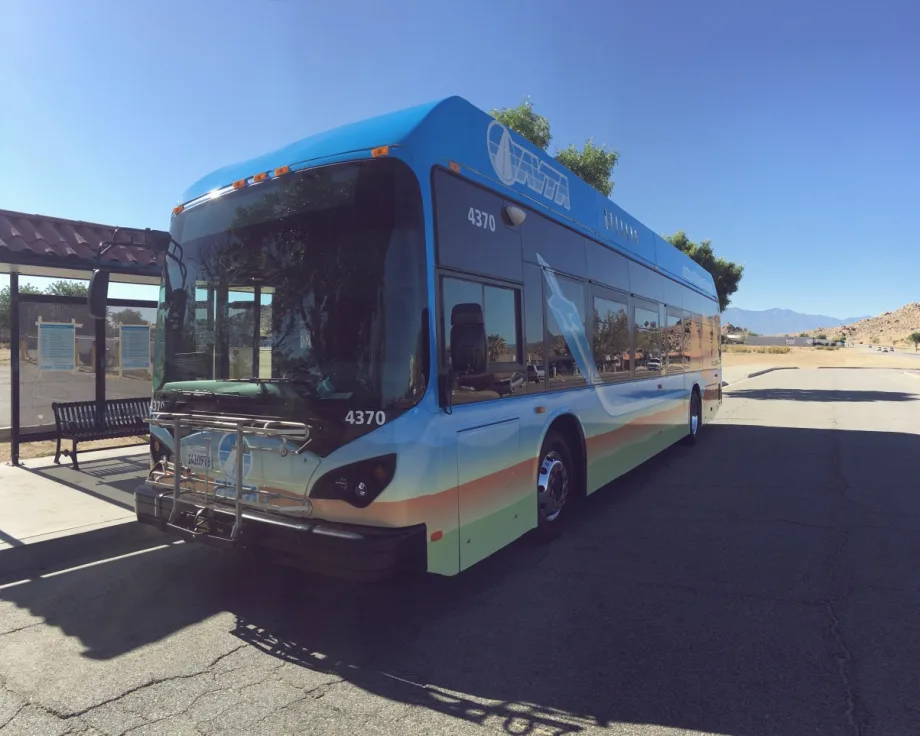
In many cases, agencies receive only partial funding, leaving them to pursue ambitious electrification goals without the certainty of sustained financial support.
Photo: AVTA/BYD
- Transit agencies in North America face increasing pressure to electrify their fleets due to local and state mandates.
- The transition to electric fleets is driven by rising public expectations for cleaner and quieter transit solutions.
- Efforts to adopt electric vehicles are part of a broader push towards sustainable and environmentally friendly public transportation.
*Summarized by AI
Across North America, transit agencies are under growing pressure to electrify their fleets. Local and state mandates are driving the transition, and public expectations for cleaner, quieter transit are rising.
Yet, despite these imperatives, grant programs typically are highly competitive, and the total amount of funding available falls short of what is needed for large-scale electrification.
In many cases, agencies receive only partial funding, leaving them to pursue ambitious electrification goals without the certainty of sustained financial support. The result is a growing execution gap: agencies know where they need to go but lack the full capital stack to get there.
To bridge this gap, many agencies are turning to public-private partnerships (PPPs) and service-based models that can help fund what grants don’t cover. The path forward lies in more thoughtful planning, innovative financing strategies, and trusted delivery partners with proven experience in zero-emission transitions.
Planning Drives Financing Success
Successful electrification starts with thoughtful, experience-based planning.
Transit agencies need a clear-eyed view of the vehicles they need, how and where they’ll charge, and the day-to-day operational realities. That includes route design, vehicle uptime and downtime, battery degradation over time, charger performance and reliability, and the strength of their EV maintenance programs.
When projects lack real-world data or operational benchmarks, planners may compensate by making overly cautious assumptions, resulting in oversizing the project in terms of charging infrastructure, depot capacity, and grid connections. This overestimation can unnecessarily drive up cost projections.
On the other hand, planning grounded in actual route data, battery behavior in different environments, and depot usage metrics can help right-size infrastructure and budgets from day one. This helps turn an uncertain investment into a viable, financeable project and sets the stage for long-term success. It also improves the credibility of funding applications, which are increasingly scrutinized for cost realism.
In short, right-sizing your project is the first step to making it fundable.
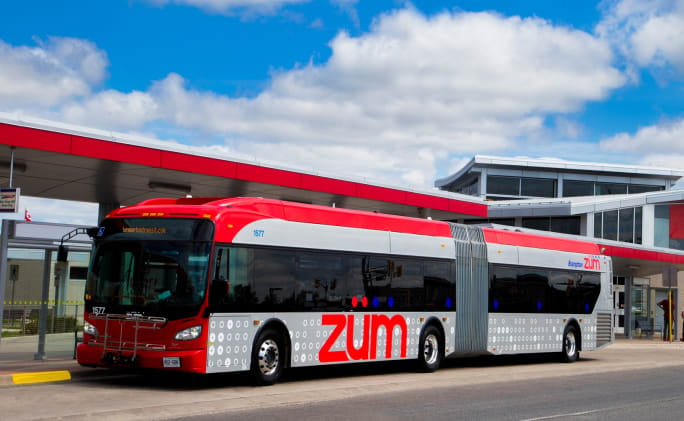
The City of Brampton, Ontario, plans to transition 1,000-plus diesel buses to electric over the next few years, with a $3 billion investment and support from both public and private sources.
Photo: New Flyer
From Battery Liability to Financing Asset
Electric Buses are still a relatively new asset class in the vehicle financing sector.
One of the biggest hurdles to securing funding from traditional lenders is the perception that a battery’s value drops to zero well before the end of the bus’s operational life.
In reality, most batteries still retain significant capacity when they’re no longer suitable for transit use. This remaining capacity means the battery has residual value at the end of its first life.
Residual value refers to the estimated value of the battery after its transit service ends, based on its potential for reuse in lower-demand energy applications, such as in-depot vehicle charging, grid support, portable power, or backup systems.
When a battery’s value over its entire lifecycle, including its second life as a stationary or portable storage, is factored in, it transforms from a cost center into a bankable asset. This shift is helping shape a new generation of public-private partnerships, where private capital complements public funding to close financing gaps, mitigate risk, and support faster deployment of zero-emission fleets.
Some fleet leaders are using this model effectively to secure private capital for large-scale electrification projects. One recent example in Canada involves a mix of public and private financing to support one of North America’s most ambitious transit bus electrification programs.
The City of Brampton, Ontario, plans to transition 1,000-plus diesel buses to electric over the next few years, with a $3 billion investment and support from both public and private sources. The model blends thoughtful planning and a long-term private-public partnership to enable sustainable, scalable fleet transformation.
Financing Models That Offer Flexibility
Another way to approach electrification projects is service-based models that reduce risk and align costs with performance. These models center on batteries, which often account for roughly one-third of total vehicle cost. This represents a significant portion of capital that, if not tied up in battery ownership, can be redeployed into other operational priorities.
One such model is Battery-as-a-Service (BaaS). Rather than purchasing the battery outright, transit agencies can lease it under a performance-based contract. This reduces the need for upfront capital and also shifts the responsibility for battery health, monitoring, and replacement to the service provider, ensuring long-term reliability, predictable budgeting, and the potential to accelerate EV deployment by freeing up funds for fleet expansion.
Another model, Electric Vehicle-as-a-Service (EVaaS), goes a step further by bundling the entire package, including vehicles, batteries, charging infrastructure, software, and ongoing support, into a single integrated solution.
For many agencies, this approach simplifies planning, procurement, and operations, while offering stable, predictable costs over time. It can also ease staffing demands, as operators don’t need to hire or retrain technical teams to manage vehicle charging or battery performance monitoring.
Both models offer practical ways to stretch funding and make electrification more turnkey and manageable for transit agencies across the country. These approaches reduce risk while giving agencies access to ongoing technical expertise, without the need for in-house specialization.
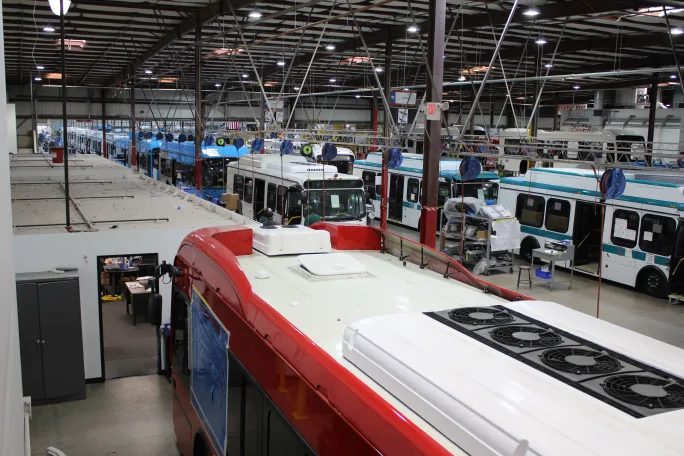
Successful electrification starts with thoughtful, experience-based planning.
Photo: METRO
Final Thoughts
Despite today’s funding headwinds, the fundamentals, benefits, and tangible momentum toward transit electrification remain strong: lower lifetime costs, cleaner air, quieter streets, better service for riders, and a more comfortable experience for drivers. What’s needed is a more flexible, financially grounded approach to getting there.
With the proper planning, partners, and financing models, electrification can move from idea to implementation, closing the funding gap and delivering long-term value for local communities.
About the Author:Matt Curwood is VP Business Development (Transit) at Zenobē North America. Matt leads efforts to expand Zenobe’s footprint in the North American market by supporting the transition of the bus and shuttle industry to zero-emission fleets. He has spent his career spanning over 20 years developing transportation solutions that deliver maximum benefit to clients and those they serve.
Quick Answers
Transit agencies are focusing on fleet electrification due to local and state mandates and increased public demand for cleaner and quieter transportation options.
*Summarized by AI
More Zero Emissions

Building a Flexible Path to Transit Electrification with BAE's John Hroncich
John Hroncich discusses BAE Systems’ modular and scalable approach, lessons learned from decades of real-world operations, and how agencies can identify electrification strategies that fit their fleets.
Read More →
LA Metro Board Awards 220 Battery-Electric Bus Contract to ENC
The contract, which is the largest base award of battery-electric buses by a U.S. transit agency, will be built in Southern California, sustaining good jobs as LA prepares to welcome the world in 2028
Read More →
Public Transit Conference Returning to GFX in 2027, Call for Papers Now Open
The Call for Papers is now open, allowing transit agency professionals and industry experts to help shape the PTC educational program by submitting session ideas for consideration.
Read More →
Report: Transit Bus Manufacturing Supports 34,100 Jobs, $5.1B in GDP
The “Buses Mean Business” report examines the transit bus manufacturing industry’s economic footprint, supply chain, and rising demand for vehicle replacements.
Read More →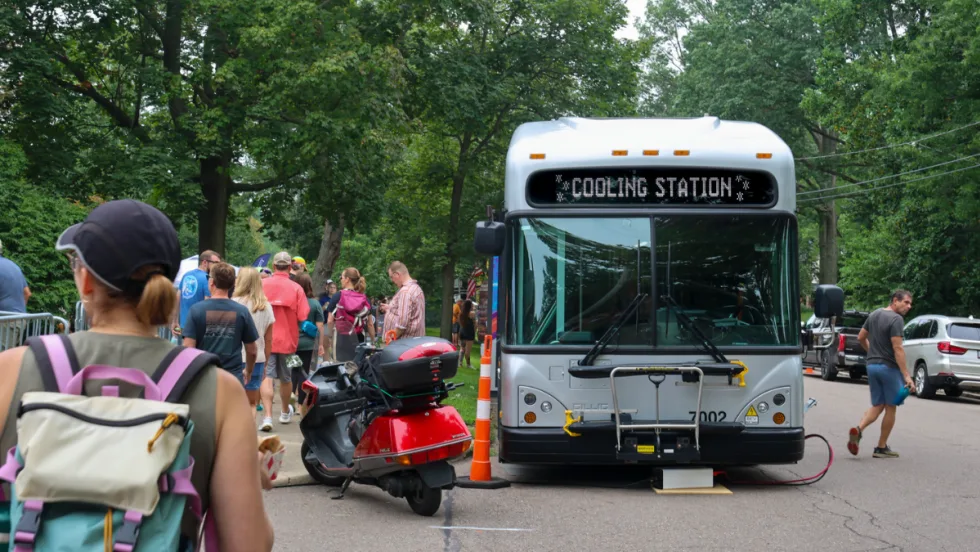
Ohio’s METRO RTA Turns Electric Buses into Mobile Power Sources at PorchROKR
See how three Gillig battery-electric buses powered festival stages while the agency’s new Park & Ride service carried approximately 1,000 attendees, demonstrating another potential use for transit agencies’ electric fleets.
Read More →
CALSTART and Forth Combine to Form Catalyst Mobility
The new name represents a renewed vision for the nonprofit focused on advancing clean, equitable, and affordable transportation solutions that move people and goods.
Read More →
Building a Flexible Path to Transit Electrification
John Hroncich discusses BAE Systems’ modular and scalable approach, lessons learned from decades of real-world operations, and how agencies can identify electrification strategies that fit their fleets.
Read More →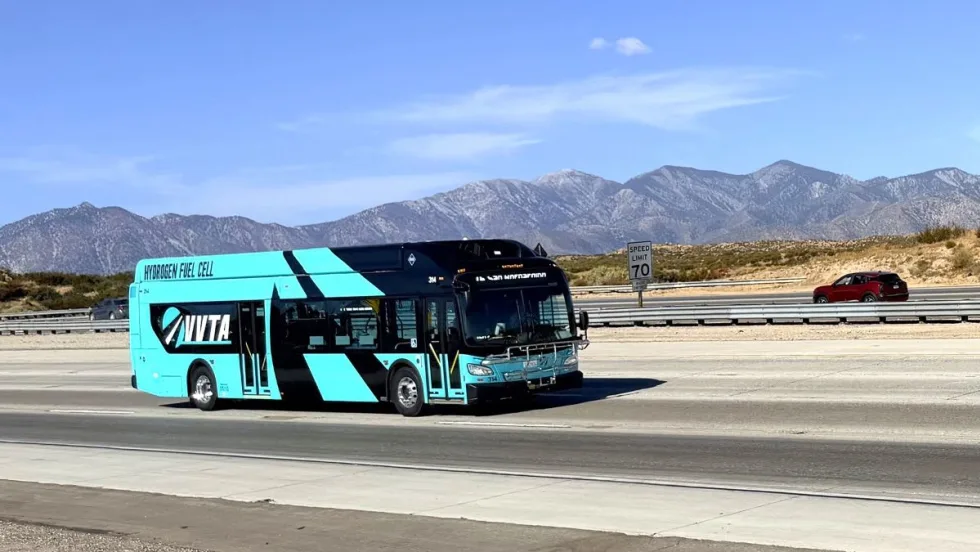
California's VVTA Begins Phased Rollout of Hydrogen Fuel Cell Buses
The agency is introducing 13 zero-emission buses into revenue service while evaluating performance across its urban, rural, and long-distance routes.
Read More →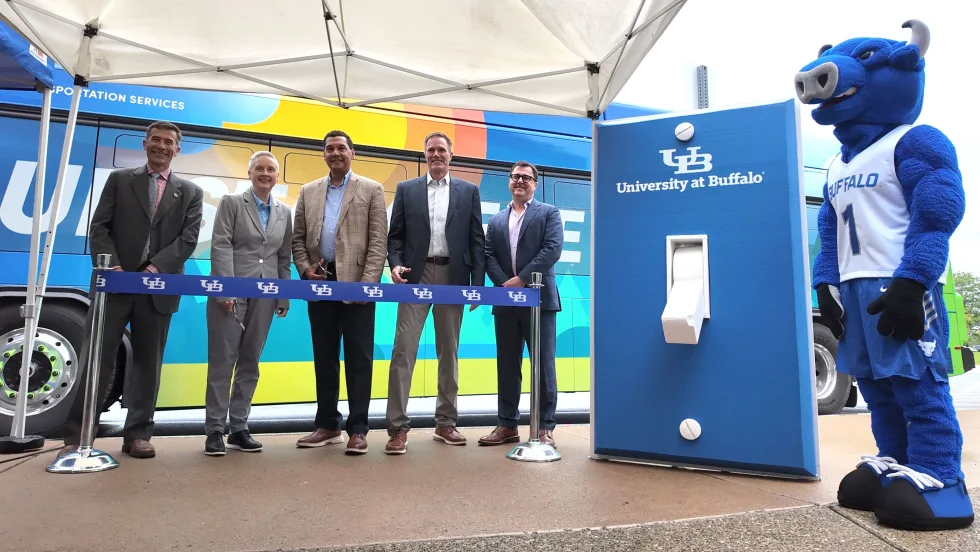
Inside Look: University at Buffalo Puts First 8 Electric Buses Into Stampede Service
UB, transportation solutions provider WeDriveU, and fleet electrification specialist Zenobē marked the deployment in the presence of students, university administrators, and local officials.
Read More →
Biz Briefs: OCTA Taps Clean Energy for Hydrogen Station, Stadler to Supply Via Rail Vehicles, and More
From manufacturers and suppliers to transit agencies and motorcoach operators, these updates offer a snapshot of the projects, partnerships and business moves driving the industry forward.
Read More →