



WeDriveU’s President/CEO Erick Van Wagenen Talks Contracting and More
Erick Van Wagenen, president and CEO of WeDriveU, recently appeared on an episode of METROspectives for a candid discussion about the company’s evolving mission, how contractors can add value to public agencies, and more.

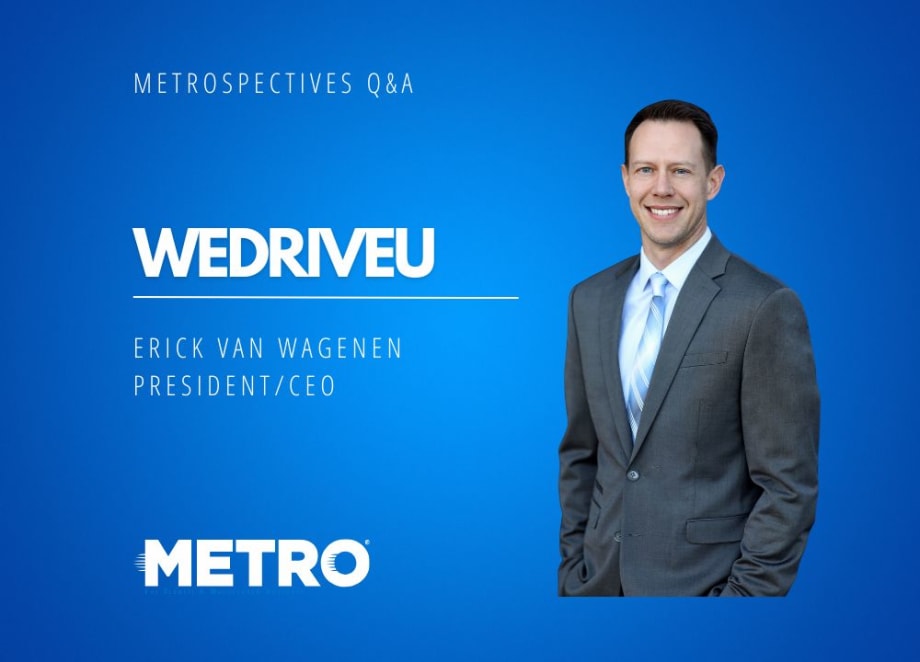
METRO's Executive Editor Alex Roman sat down with Erick Van Wagenen, president and CEO of WeDriveU, for a candid discussion about the company’s evolving mission and more.
Photo: WeDriveU
- Erick Van Wagenen shared insights into WeDriveU’s evolving mission and strategic direction on METROspectives.
- He discussed how contractors can enhance value for public agencies through collaboration and innovation.
- The episode provided a platform for Van Wagenen to openly discuss various aspects of his leadership and the company’s objectives.
*Summarized by AI
In a shifting transit landscape shaped by rapid technological innovation, evolving workforce expectations, and the long tail of pandemic disruption, contractors play a larger role than ever in helping agencies meet their goals for safe, reliable, and innovative mobility services.
One of those contractors, WeDriveU, has carved out a unique place in the industry through service delivery and deep investments in people, community, and scalable technology solutions.
METRO's Executive Editor Alex Roman sat down with Erick Van Wagenen, president and CEO of WeDriveU, for a candid discussion about the company’s evolving mission, how contractors can add value to public agencies, and why workforce development and community engagement are critical pillars of long-term success.
The Role of Contractors and More
What do you see as WeDriveU’s core value to the transit industry, and what role should contractors play in helping agencies provide dependable mobility?
One of the most significant advantages a contractor brings is the depth of experience. At WeDriveU, we work with various clients across various environments, exposing us to different ideas and operating conditions. That allows us to carry lessons and innovations from one project to the next.
When agencies bring in contractors, they’re not just outsourcing operations but tapping into a broader knowledge base. We can offer new ideas, technologies, and operational approaches that agencies may not have access to internally. That’s especially important today, when efficiency and innovation are critical.
We also recognize the value of combining that broad, global perspective with a deep understanding of local communities. The outsourcing model thrives when a contractor can bring world-class experience and regional relevance.
What trends or challenges are you addressing now that weren’t as prominent five or 10 years ago?
Technology has become a front-and-center issue, particularly regarding how quickly it can be implemented. Because of our position in both public and private sectors, we can pilot and scale new technologies more rapidly than traditional transit agencies. Public procurement processes can take time, and understandably so, but we have the agility to test, iterate, and roll out solutions in real time.
We constantly evaluate tools for route optimization, scheduling, and safety, and share what’s working across our network. Our ability to pilot new systems, get feedback, and scale them across operations is a big part of how we add value.
We also strongly support peer-to-peer learning. We love bringing customers together to share best practices. Industry organizations do this well, too, and we work in tandem with them to create those collaborative opportunities.
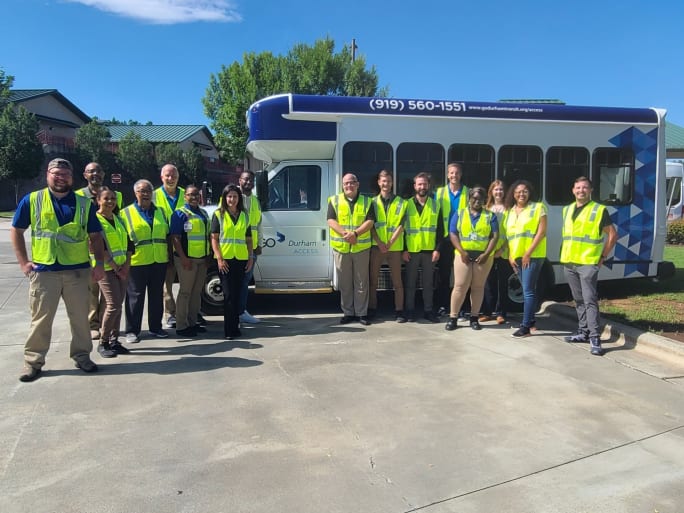
When agencies bring in contractors, they’re not just outsourcing operations but tapping into a broader knowledge base, says WeDrvieU President/CEO Erick Van Wagenen.
Photo: WeDriveU
Innovating through Tech and Safety
Can you dive deeper into some technologies or innovations WeDriveU has recently introduced?
AI and machine learning are hot topics everywhere, but they’ve been part of our industry for a while, particularly in routing and optimization. What’s evolving is the use of intelligent systems to augment human performance, not replace it.
Safety is a major focus. We’re using technology to support our drivers, not automate them away. From driver-assist systems to fatigue monitoring to on-board safety tools, we’re layering systems that help drivers do their jobs more effectively and safely. That’s especially important in services like paratransit, where the human element is vital for passenger support.
These technologies improve safety and build trust internally with our employees and externally with our agency partners.
Are there international innovations to which you think the U.S. transit market should pay more attention?
There are always interesting developments globally, but the U.S. has made significant strides in recent years, particularly since COVID. How agencies responded to that challenge, adapted quickly, and modernized operations was impressive.
Europe often gets highlighted for transit innovation, but U.S. agencies have shown real leadership lately. They’ve been resilient, adaptable, and willing to try new things. So while there are always ideas to borrow from abroad, we’re also doing a good job of pushing innovation here at home.
Training Today's Workforce for Tomorrow and Other Challenges
Workforce challenges have become a significant issue in transit. How has WeDriveU approached staffing and retention?
We’ve built a culture that values employees as long-term assets. Retention isn’t just about perks; it’s about growth. I started in this industry 19 years ago at the base level, and that experience informs how I view talent development. We believe in promoting from within, mentoring new hires, and building career paths for drivers and operations staff.
If a driver wants to become a GM, we want to make that path visible and accessible. That kind of internal promotion helps with retention and strengthens company culture. Our team members know we’re invested in their futures.
Are these development opportunities being extended to other hard-to-hire roles, like maintenance technicians?
Definitely, maintenanceto find, particularly in our niche. Trucking involves more commercial vehicles than passenger transport, so we compete in a tight labor pool.
That’s why we’re building apprentice pathways, bringing in entry-level technicians and giving them the training and certifications they need to become master mechanics. The same goes for operations staff. Our industry has a shortage of experienced general managers, and instead of recycling the same people from job to job, we’re developing our own talent.
We pair operations managers with seasoned GMs to build that bench strength. It’s a long-term investment, but we’re fully committed to it.
Have recent political transitions created any new challenges for agencies and their contractors?
Transitions always bring distractions. Naturally, agencies are trying to understand new priorities, navigate changes in funding, or adjust to shifting regulations. That can pull focus away from core goals like delivering safe, reliable transportation.
We’re hopeful that, as things stabilize, agencies and their partners can return to that shared mission. At the end of the day, the real challenge is the same: how do we keep providing quality service to communities? Everything else should support that.
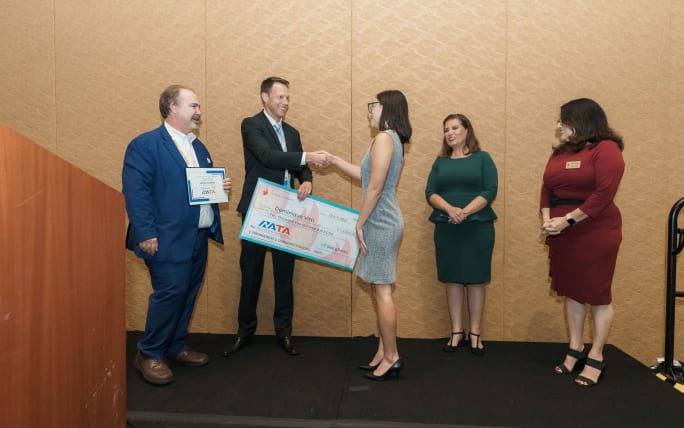
Erick Van Wagenen says WeDriveU is not a tech company, so it will rely on strong partnerships with its partners, the communities it serves, and the industry in general.
Photo: WeDriveU
New Initiatives and the Future at WeDriveU
Can you tell us about the new “WeDriveU Cares” initiative and its aims?
WeDriveU Cares formalizes what we’ve always believed in — local engagement. It’s a program that combines our community service efforts, volunteerism, and partnerships with our clients' goals.
We operate nationwide, but every community is different. What works in one city won’t work in another. This initiative helps us ensure we’re tailoring our operations to local needs and giving back meaningfully to each region.
It also supports recruitment and retention. When our teams are embedded in the community, they’re more connected, motivated, and aligned with the people they serve.
Looking ahead, what’s on the horizon for WeDriveU...any new initiatives or innovations you’re excited about?
We’ll continue investing in technology, not for technology’s sake, but to improve employee and passenger experience. We’re not a tech company, so we rely on strong partnerships, but our operational footprint allows us to implement new tools quickly and effectively.
Whether it’s scheduling software, safety systems, or data platforms, we’re looking for anything that improves efficiency and enhances the rider experience. We’ll also keep growing our internal talent pool and finding ways to turn today’s drivers into tomorrow’s leaders.
This article, generated using OpenAI, was edited for accuracy and style and based on an episode of METROspectives
Quick Answers
Erick Van Wagenen discusses the evolving mission of WeDriveU and how contractors can add value to public agencies.
*Summarized by AI
More Management
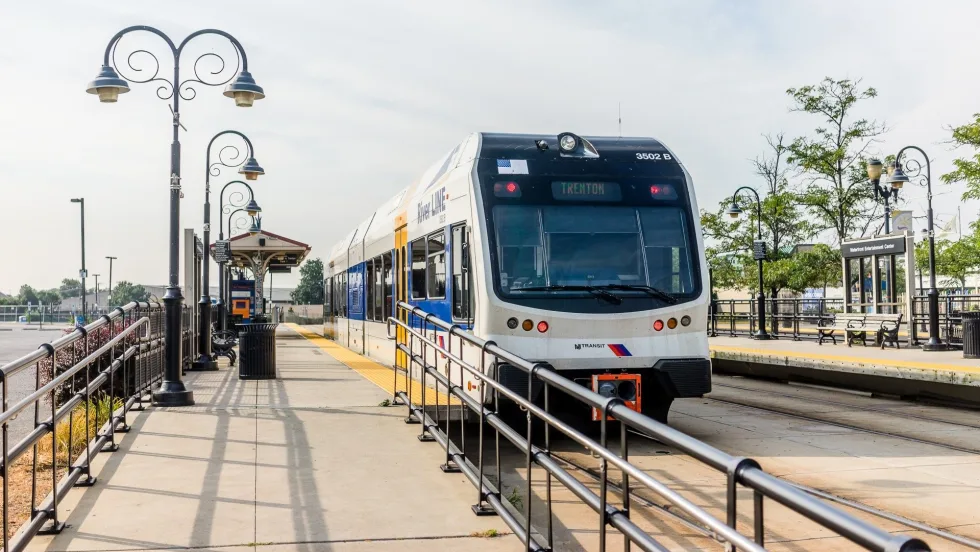
NJ TRANSIT Explores Unified Real-Time Customer Communications Platform
The agency is gathering industry input on AI, real-time data, and integrated communications technology as it prepares to procure a system that delivers faster, more consistent transit updates across every customer channel.
Read More →
RTD Launches NextRide App to Consolidate Trip Planning, Fares, Security Reporting
The app expands on RTD’s existing NextRide web application and allows customers to view real-time vehicle locations and service alerts, purchase and store digital fares, and access customer support.
Read More →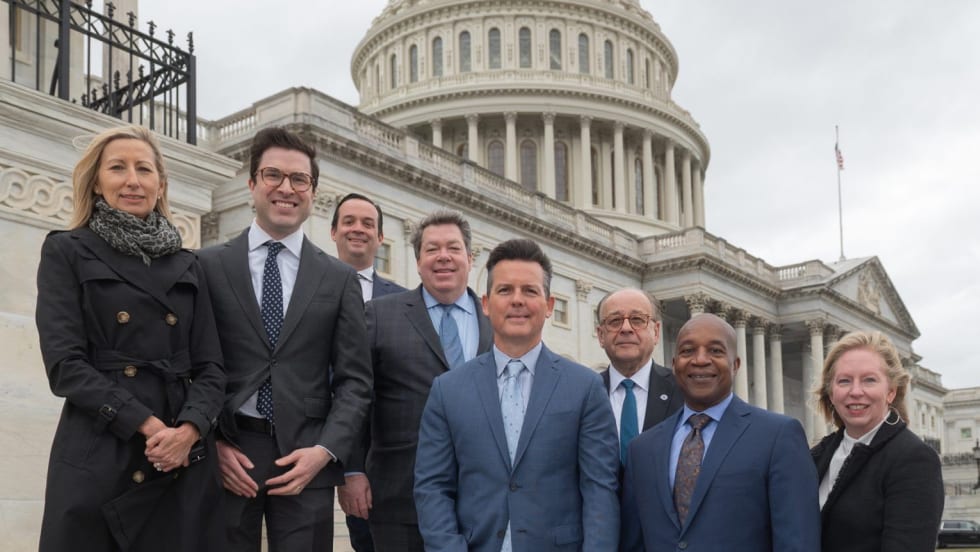
The Business Voice Behind Public Transportation
As chair of APTA’s Business Members Board of Governors, Ray Melleady explains how more than 850 business members are partnering with transit agencies to advance funding, innovation, and industry-wide collaboration.
Read More →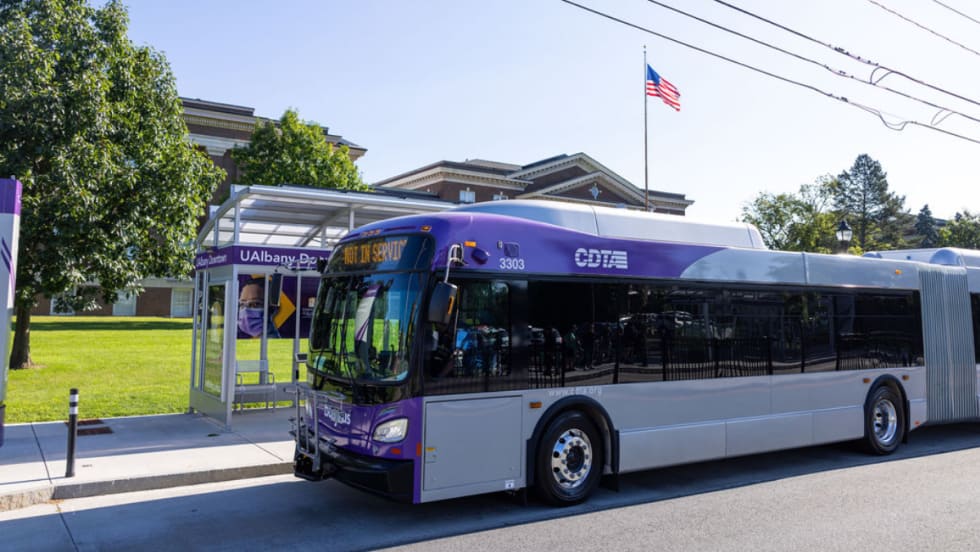
New York’s CDTA Service Rebalancing Boosts Productivity, On-Time Performance
Despite a slight dip in ridership, the agency’s FY2026 results show its service rebalancing strategy is helping the agency carry more riders per service hour while improving reliability.
Read More →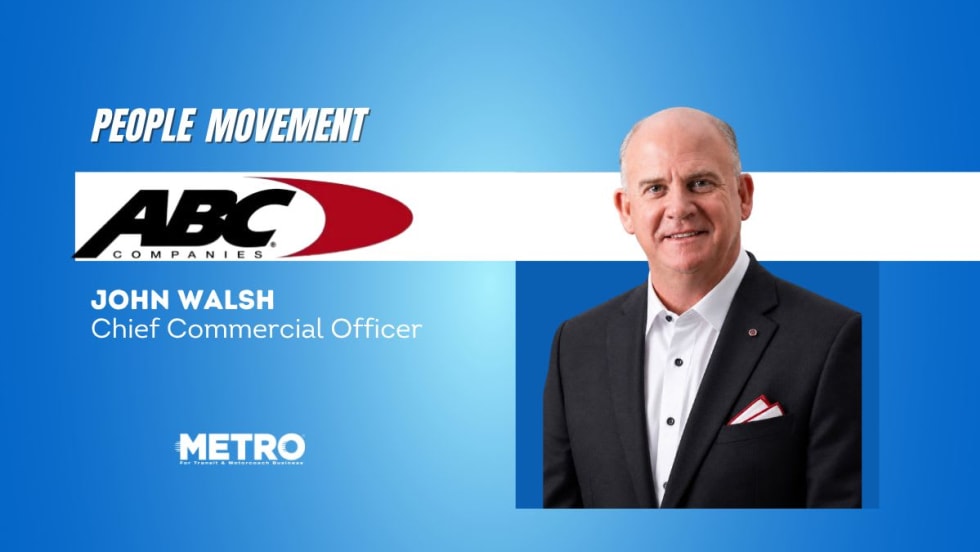
People Movement: ABC Names John Walsh as Chief Commercial Officer
In this edition, METRO also covers recent appointments and announcements at the DART, STV, and more, showcasing the individuals helping to shape the future of transportation.
Read More →
From Surviving to Thriving: Building Stronger Transportation Organizations
Bus Business Consultants founder Brian Dickson shares lessons on leadership, organizational health, and creating options for long-term success in a changing transportation industry.
Read More →
LA Metro Ridership Continues Growth as Rail Gains Accelerate
New rail connections and major events help drive continued ridership gains, with Metro recording its eighth consecutive month of year-over-year rail growth.
Read More →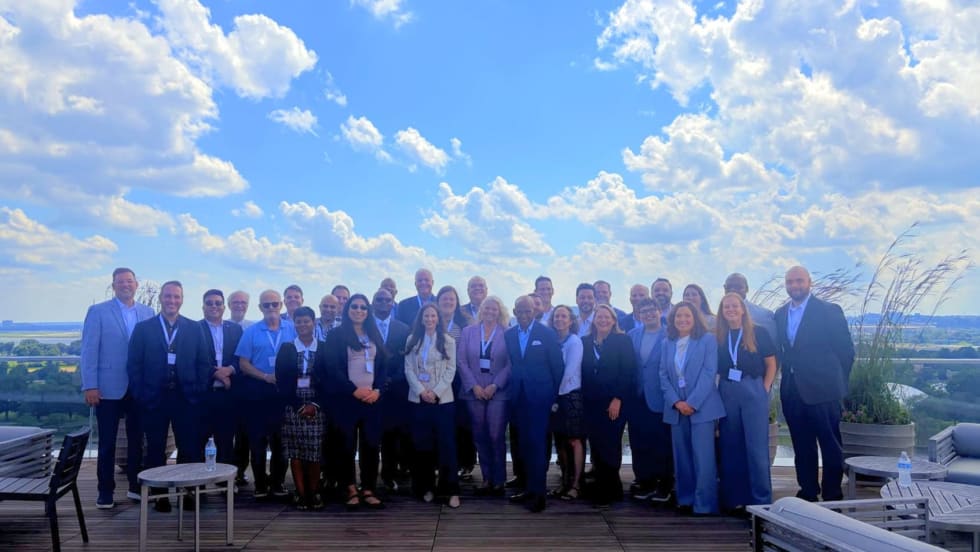
TransDASH Summit Focuses on Measuring What Matters in Transit
Transit agencies unveil a national performance platform designed to benchmark customer experience, safety, community value, and other outcomes.
Read More →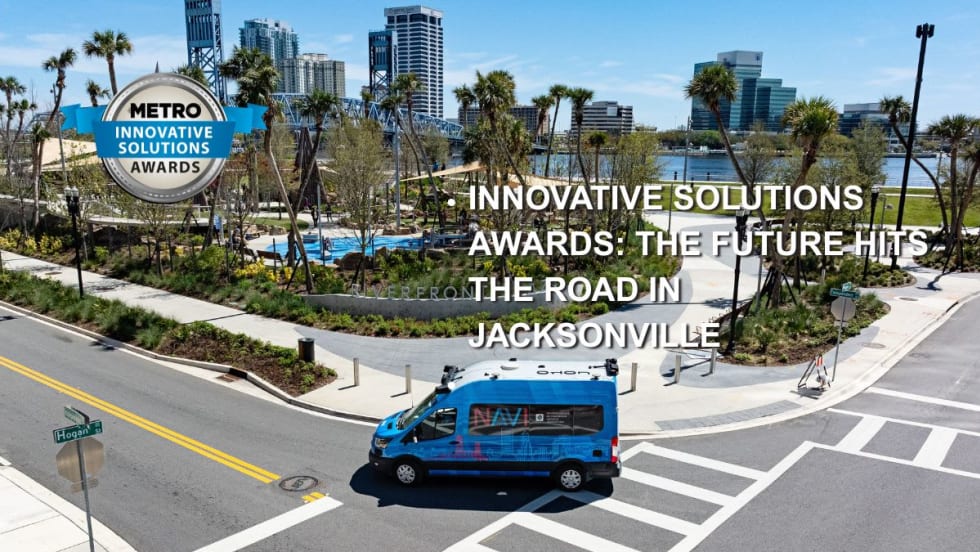
Jacksonville’s NAVI Project Charts a New Course for Autonomous Public Transportation
Through its NAVI program, JTA is showing how autonomous vehicles, intelligent infrastructure, and coordinated operations can work together to deliver everyday public transportation.
Read More →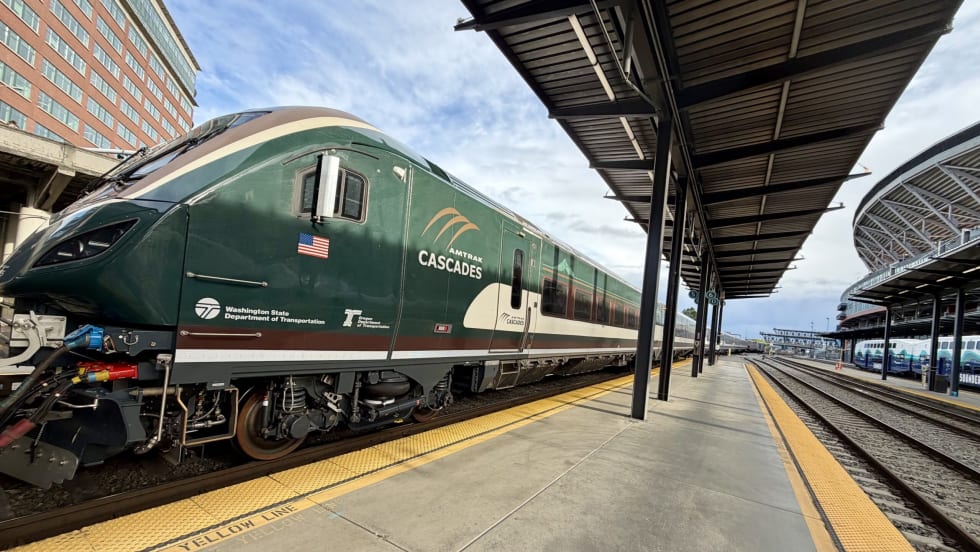
FRA Announces $5.3B in Rail Investments, Including $2B for Amtrak
Funding will support grade-crossing improvements, infrastructure upgrades, and new Amtrak equipment in 23 states.
Read More →