




Miss This? New York MTA Approves Resubmitting Historic Five-Year Capital Plan
MTA Board Adopts Fare and Toll Increases Taking Effect in 2026
The agency's adjustments to fare proposals aim to prioritize affordability and address customer feedback.
October 1, 2025
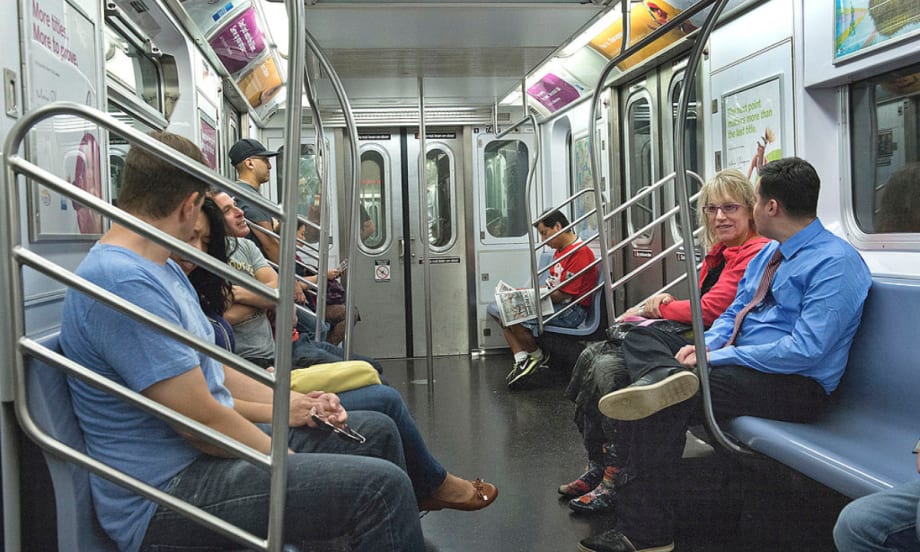
Subway, local bus, and Access-A-Ride base fares will increase by 10 cents to $3, with express bus fares rising to $7.25, and reduced fares increasing from $1.45 to $1.50.
Photo: Metropolitan Transportation Authority
2 min to read
The Metropolitan Transportation Authority (MTA) Board recently approved toll and fare increases, along with a series of fare and ticket policy changes on New York City Transit's subways and buses, the Long Island Rail Road (LIRR), and the Metro-North Railroad. The vote was 11-0, with two abstentions.
Most of these changes will take effect in January 2026, aligning with the full system-wide rollout of the agency's tap-and-ride technology.
"Because the transit fare is a fraction of the cost of owning a car, New Yorkers spend less on transportation than people in the rest of the country, and we're determined to keep it that way," said MTA Chair and CEO Janno Lieber. "The modest fare increases approved today – which are below the rate of inflation — prioritize value for frequent riders and families while maintaining the MTA's bottom line."
According to an agency release, the fare increase remains below inflation, which would be $3.14 if it were adjusted to match the pace of inflation since the last increase in 2023. The MTA received feedback during a public comment period on concerns for citywide affordability, which helped them prioritize customer value in fare decisions.
These modifications followed an extensive six-week public comment period — featuring three hybrid public hearings, 22 public comment sessions at remote locations across the system, an online comment portal, and other channels provided. The MTA received a total of 1,378 comments, which is four times the number received in 2023.
New Fares, Discounts, and Policies Across MTA Systems
Subway, local bus, and Access-A-Ride base fares will increase by 10 cents to $3, with express bus fares rising to $7.25, and reduced fares increasing from $1.45 to $1.50. The MetroCard will be retired as the OMNY system expands, making seven-day fare-capping permanent and extending it to the express bus network.
For the Long Island Rail Road and Metro-North Railroad, fares will increase by an average of 4.5% on most tickets. At the same time, new policies will introduce a universal reduced-fare ticket, a $1 Family Fare for children up to age 17, and a new unlimited Day Pass. A "pay-as-you-go" mobile discount will replace the current 10-trip ticket, and one-way tickets will expire at 4 a.m. the following day.
Tolls at bridges and tunnels will also increase by 20 to 60 cents, though existing borough-specific discounts will remain. The changes, part of the MTA's 2025 budget, are intended to simplify fare structures while keeping pace with inflation.
More Management
Report: Transit Bus Manufacturing Supports 34,100 Jobs, $5.1B in GDP
The “Buses Mean Business” report examines the transit bus manufacturing industry’s economic footprint, supply chain, and rising demand for vehicle replacements.
Read More →
LIT Marks 10-Year Milestone at Annual Summit
Hosted by the COTA from September 10 to 13, the Summit carried the theme “Celebrating 10 Years of Excellence, Leadership, and Impact,” with every part of the program honoring the people, agencies, and partners who built LIT over its first decade.
Read More →
People Movement: Dan Dipert Coaches Adds Third-Generation Leader, Keolis Names New Valley Metro VP/GM, and More
In this edition, we also cover recent appointments and announcements at the Wabtec, SilverRide, HNTB, and more, showcasing the individuals helping to shape the future of transportation.
Read More →

METRO Opens Submissions for 2026 Motorcoach Awards
Nominations are now being accepted for METRO Magazine’s Operator of the Year and Innovative Operator of the Year awards.
Read More →
New York MTA Advances Final Contract for Second Avenue Subway Expansion
Contract Four is the largest in the Second Avenue Subway Phase 2 project and includes construction of station infrastructure, tracks, and signals for the subway expansion, MTA officials said. Work on Contract Four will begin in 2027.
Read More →
Transit Agencies Highlight Safety Gains at National Summit
Leaders from 15 major transit systems shared crime-reduction results and safety initiatives while discussing the role of continued federal support.
Read More →
NITA Names New Leadership, Expands Reduced-Fare Program at First Board Meeting
The new regional transit authority appointed its first board chair and interim executive director while extending reduced fares across CTA, Metra, and Pace for eligible riders.
Read More →
Beyond the Checklist: A Structured Approach to Transit Maintenance
Reliability-Centered Maintenance helps transit agencies move beyond routine checklists to focus limited resources on the assets and failures that have the greatest impact on safety, reliability, and service.
Read More →
APTA 2026 Nominating Committee Selects Leadership Slate, Names Chair and Vice Chair Nominees
Leadership changes will help shape the association’s priorities and its representation of the transportation industry during the 2026–2027 term.
Read More →
DART Launches Major Security, Fare Enforcement Initiative
The 90-day demonstration will deploy coordinated security teams at five light rail stations while testing controlled access and gathering data to guide future investments.
Read More →