




Read More: TransitCenter Report Unravels Workforce Challenges
Executive Q&A: How Transit Leaders Worked to Improve Workforce, Ridership
What has changed for agencies in the last two years? We asked transit leaders from across the U.S. about their latest workforce and ridership efforts.
October 9, 2023

Agencies such as Trinity Metro, TriMet, and San Diego Metropolitan Transit System have worked on improving ridership since 2021.
Photo: Canva
4 min to read
Transit leaders from across the U.S. discussed what they have done since APTA's 2021 TRANSform & Expo to improve ridership and developed workforce at their agency.
What are one or two things, in terms of boosting ridership and/or developing workforce at your agency, that have changed at your operation since 2021’s TRANSform & EXPO?
Jessica Mefford-Miller, CEO, Valley Metro

After launching a new mobile app in 2021, allowing riders to track their transit vehicles in real time, we added mobile fare to the app in 2023 making it easier for new and existing riders to select transit as a travel option. With workforce development, there have been pay increases among frontline teams, as well as signing bonuses. To attract and retain a dynamic workforce, we have added to our talented leadership team, who will have a big impact on reenergizing the entire agency.
India Birdsong Terry, GM/CEO, Greater Cleveland Regional Transit Authority

The changes in our industry over the past two years have challenged us at GCRTA to become more innovative and flexible in our approach to workforce development and overall customer experience. Key changes in our service model include an assertive hiring strategy, bolstered operator mentorship, revived employee resource programs, prioritized customer feedback and strategy planning, increased safety and security measures, microtransit programming, public partnerships, and more — all leading to better mobility and inclusion in Greater Cleveland.
MJ Maynard, CEO, Regional Transportation Commission of Southern Nevada
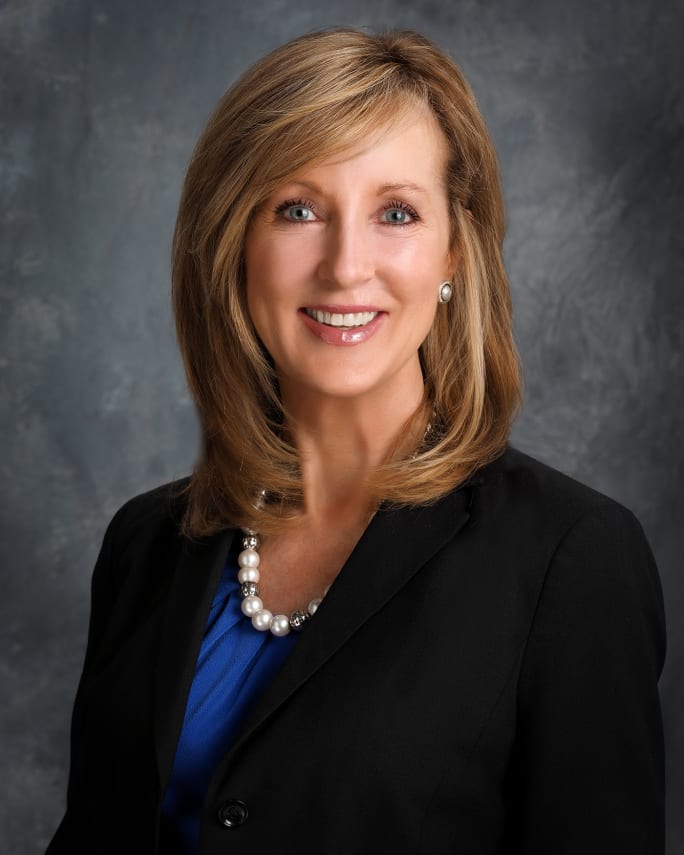
Like other industries, transit continues to face workforce recruitment, development, and retention issues. The workforce of yesterday is no longer the workforce of today, and labor market expectations have changed. Transit agencies must evolve and pay or work with companies that pay their drivers, mechanics, and supervisors livable wages, provide flexible schedules, and proper training so these positions are viewed as meaningful careers and not simply jobs.
Richard Andreski, President/CEO, Trinity Metro

Trinity Metro has doubled down on investments to improve the customer experience. We are replacing every bus seat, upgrading every bus stop, hiring in-house application developers for an enhanced mobile experience, and investing in our frontline team. We are also completing a value proposition economic impact study to remind our stakeholders about why public transportation matters and why more investment is essential to Fort Worth, the nation’s 13th largest and fastest-growing big city.
Gamaliel Anguiano, Transit Services Manager, Santa Maria Regional Transit
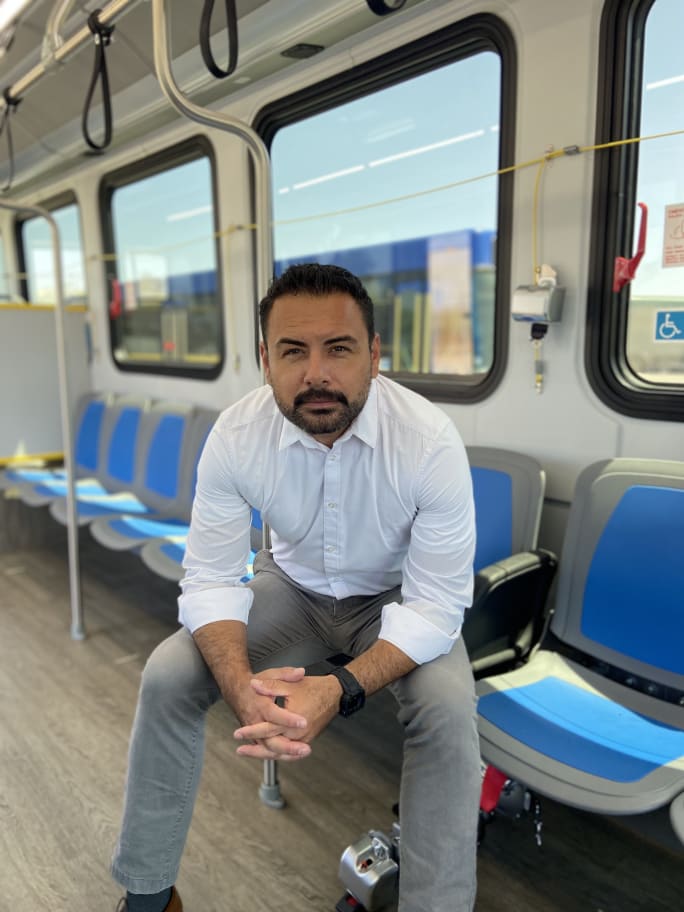
We've focused on rider-first improvements, technology, and safety, aligned service based on demand data, as well as implemented training programs for a skilled workforce to enhance service quality and attract/retain more riders.
Sam Desue Jr., GM, TriMet
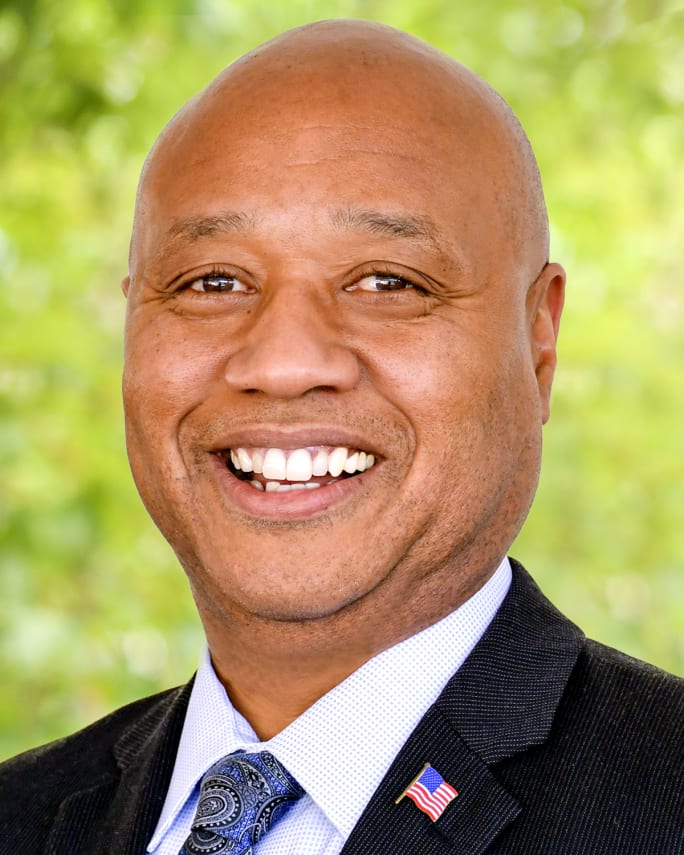
At TriMet, we capitalized on the COVID-19 pandemic’s change to travel patterns to perform the most in-depth analysis and redesign of our bus network ever. The result is Forward Together — a roadmap to bring more transit service to more people in the Portland, Ore., region who need and want to ride. With an agency-wide effort to turn our operator shortage around, TriMet is beginning to roll out our ‘Forward Together’ service concepts in late 2023.
Sharon Cooney, CEO, San Diego Metropolitan Transit System
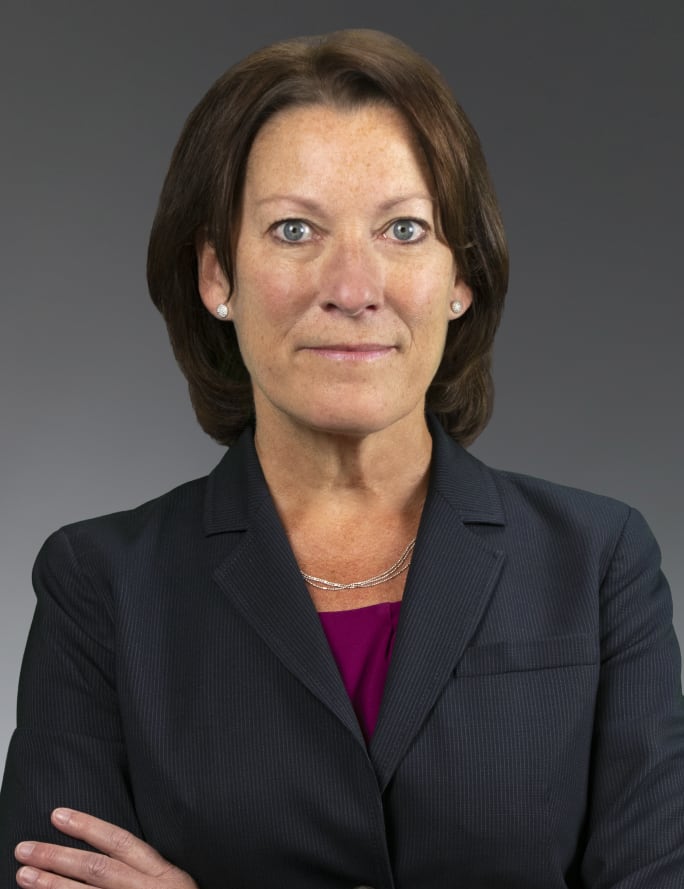
Over the past two years, MTS has launched a new fare collection system and an 11-mile light rail extension. Both of these efforts helped recover ridership, and MTS now has the highest light rail ridership in the country. Another factor is the growth of special events. Since March 2022, MTS has provided extra service for more than 300 special events. The MTS light rail system is situated near two major venues that hold more than 35,000 people, an entertainment district and a convention center. All this activity has reintroduced our system to casual riders as the most affordable and easiest way to attend special events in San Diego.
Doran Barnes, CEO, Foothill Transit
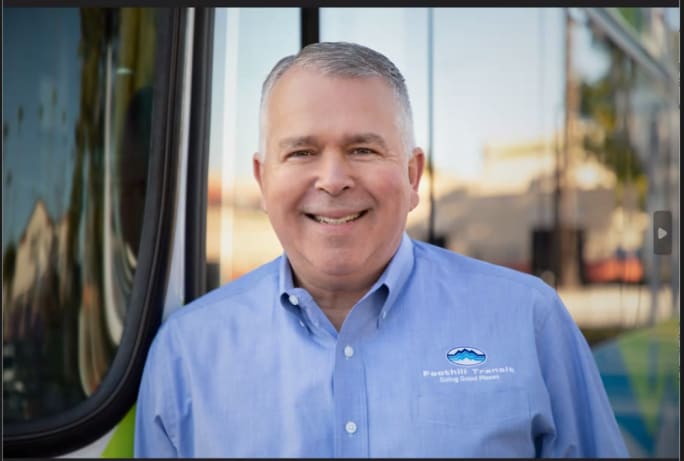
Along with adjusting base fares and offering new seasonal discounts during low months, we’ve added new trip-based passes that bend to hybrid work needs. Prioritizing student access has been crucial as well, with new on-campus bus stops and new student pass programs. Maintaining a positive work culture at Foothill Transit is part of that, too. It has an immediate impact on our responsiveness and our compassion, as well as on our team's cohesion and dedication.
Frank White III, CEO, Kansas City Area Transportation Authority
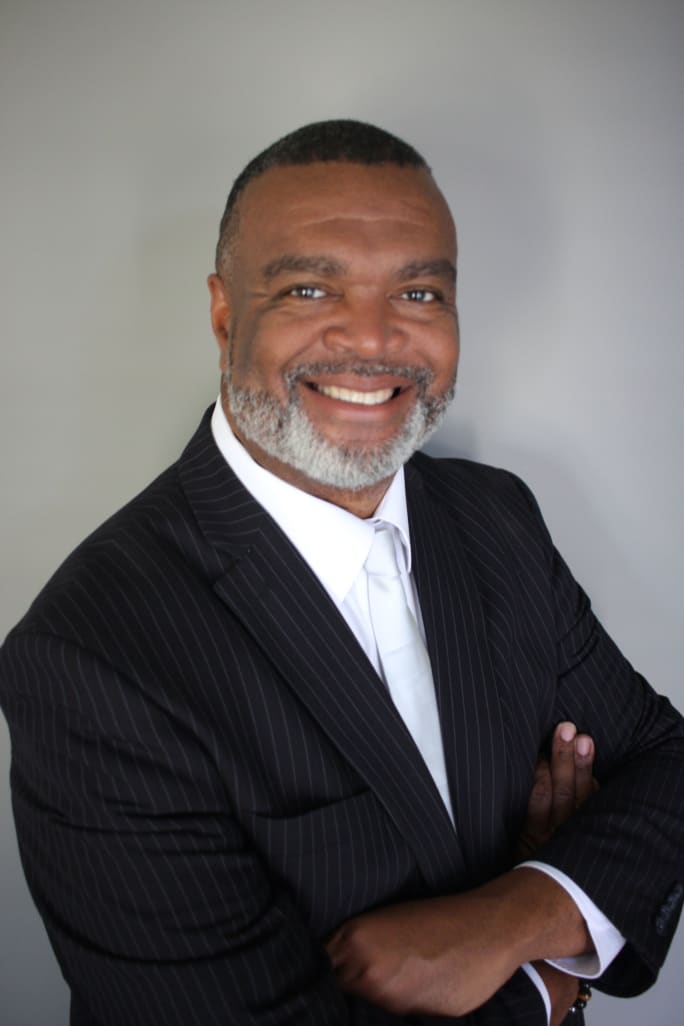
In the last year, KCATA has successfully stabilized our operator workforce, which has directly impacted our reliability and boosted ridership. The two work hand-in-hand. We renegotiated an amendment with our transit union, which improved wages and benefits, but we also launched an ad campaign focused on our commitment to quality service. This campaign helped with recruitment, retention, and ridership.
Subscribe to Our Newsletter
More Management

METRO Opens Submissions for 2026 Motorcoach Awards
Nominations are now being accepted for METRO Magazine’s Operator of the Year and Innovative Operator of the Year awards.
Read More →
New York MTA Advances Final Contract for Second Avenue Subway Expansion
Contract Four is the largest in the Second Avenue Subway Phase 2 project and includes construction of station infrastructure, tracks, and signals for the subway expansion, MTA officials said. Work on Contract Four will begin in 2027.
Read More →
Transit Agencies Highlight Safety Gains at National Summit
Leaders from 15 major transit systems shared crime-reduction results and safety initiatives while discussing the role of continued federal support.
Read More →

NITA Names New Leadership, Expands Reduced-Fare Program at First Board Meeting
The new regional transit authority appointed its first board chair and interim executive director while extending reduced fares across CTA, Metra, and Pace for eligible riders.
Read More →
Beyond the Checklist: A Structured Approach to Transit Maintenance
Reliability-Centered Maintenance helps transit agencies move beyond routine checklists to focus limited resources on the assets and failures that have the greatest impact on safety, reliability, and service.
Read More →
APTA 2026 Nominating Committee Selects Leadership Slate, Names Chair and Vice Chair Nominees
Leadership changes will help shape the association’s priorities and its representation of the transportation industry during the 2026–2027 term.
Read More →
DART Launches Major Security, Fare Enforcement Initiative
The 90-day demonstration will deploy coordinated security teams at five light rail stations while testing controlled access and gathering data to guide future investments.
Read More →
Sponsored•September 9, 2026
Advancing Fare Collection Through Technology and Innovation
Learn about delivering 1300 gates at 91 stations while managing fare evasion. Explore the large scale deployment, solution customization and real-world results that affect the region. Prepare for deployment in your region now.
Read More →
Game Day in Motion: Moving Millions During the 2026 World Cup
Between packed transit stations and team motorcoaches, see how agencies and operators across North America tackled the transportation demands of the 2026 FIFA World Cup.
Read More →
Surface Transportation Extension Averts Shutdown, Leaves Transit Funding Gap
The stopgap keeps federal transportation programs moving, but missing advance funding could complicate the transit and rail projects agencies are planning next.
Read More →