




Keep Reading: How World Cup Mobility Put Transit and Motorcoaches to the Test
How Rally OurBus Connects Motorcoach Operators with Event Transportation Demand
The company's crowd-powered model uses passenger reservations to shape routes, determine capacity, and create new business opportunities for independent motorcoach operators.
November 23, 2026
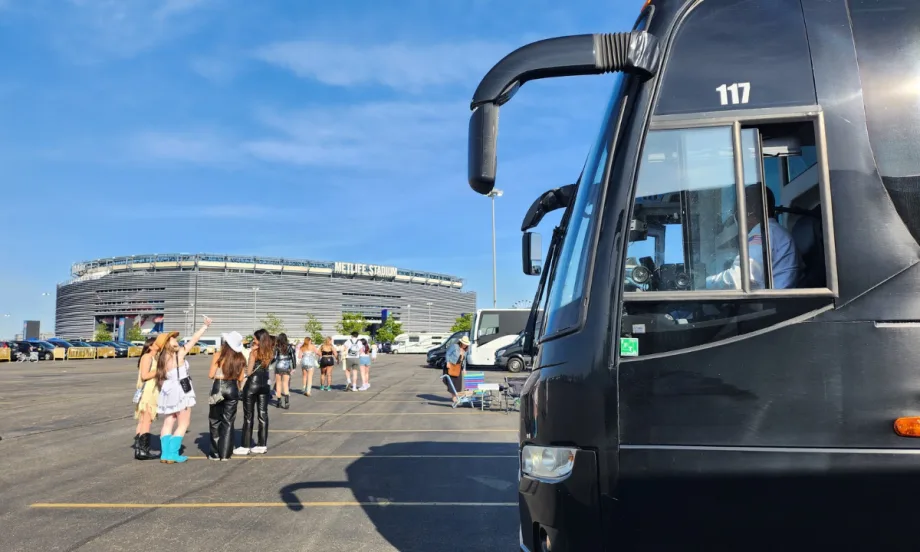
Large sporting events present logistical challenges for motorcoach operators, particularly when thousands of attendees leave at once and buses must navigate congestion, staging areas, and designated pickup locations.
Credit:
Rally OurBus
6 min to read
- Rally OurBus utilizes a crowd-powered model to align passenger reservations with route planning and capacity management.
- The system allows for the development of new business opportunities tailored to the needs of independent motorcoach operators.
- Event transportation demand is efficiently connected to motorcoach operators, leveraging collected data insights.
*Summarized by AI
Rally OurBus has expanded its event transportation network to Kansas City, introducing demand-driven motorcoach service for Kansas City Chiefs home games at Arrowhead Stadium.
The service, which launched in September, allows fans to book individual seats on shared motorcoaches rather than organize and pay for an entire charter. Passengers can also request additional pickup locations, and Rally OurBus will confirm new routes when demand grows.
Kansas City joins the company's existing NFL transportation markets, including Buffalo and Green Bay, as Rally OurBus expands its network of shared transportation options for sporting events and other large gatherings.
The expansion also shows how passenger bookings help determine where service operates and how much capacity is needed during event transportation.
Kansas City Service Sees Early Ridership Growth
Rally OurBus began its Chiefs service with pickup locations in downtown Kansas City before expanding to Lawrence, Kansas.
The service carried 26 passengers to its first Chiefs game in September, followed by 33 passengers on its second trip, 92 passengers for the October 18 game against the Los Angeles Chargers, and 96 passengers on November 8, according to company co-founder Narinder Singh.
Those early results are helping the company evaluate where additional routes and capacity may be warranted.
"We look at several factors when evaluating a new market, Singh said. “Is there a passionate fan base traveling from a wide geographic area? Is getting to the venue difficult or expensive? Are there reliable local motorcoach operators available? And are fans already showing interest in shared transportation?"
Initial pickup locations included Home2 Suites Kansas City Downtown, Hotel Indigo Kansas City, Sheraton Kansas City Hotel at Crown Center, and Westin Kansas City at Crown Center. Passengers do not need to be hotel guests to reserve seats.
The company has also listed nearly 40 potential pickup locations across Kansas, Missouri, Iowa, and Nebraska, including Overland Park, Olathe, Columbia, and Omaha.
Round-trip fares start at $80 per person, according to the company's announcement. Motorcoaches feature reclining seats and onboard restrooms, while passengers can access trip updates and bus tracking through the Rally app.
Additional Chiefs trips are scheduled for December 21 and 27.
How the Demand-Driven Model Works
Unlike traditional charter services, which generally require an organizer to reserve an entire vehicle and fill available seats, Rally lets passengers make individual reservations.
The company establishes potential routes to major events using designated pickup locations known as Rally points. Passengers can reserve seats on existing trips or request new pickup locations. Once enough passengers commit, Rally confirms the trip with an independent motorcoach operator.
Passengers receive trip details and a QR code before departure, with return transportation arranged in advance. Rally uses developing reservation demand to adjust routes, add pickup locations, and increase capacity when needed.
"We create trips to major events from designated pickup locations, which we call Rally points,” Singh explained. “Fans can reserve seats or request new pickup points, and once enough passengers commit, typically around 25 for a full route, we confirm the trip.”
The approach is intended to reduce the financial uncertainty associated with launching new routes by tying service decisions to actual reservations. For motorcoach operators, that means receiving trips supported by confirmed passenger demand rather than committing vehicles to services that may not attract sufficient ridership.
Creating Opportunities for Independent Motorcoach Operators
Rally OurBus operates without owning its own motorcoaches. Instead, the company works with a network of approximately 400 independent operators, many of which are family-owned businesses.
The platform manages marketing, reservations, route planning, and customer communications. Participating operators provide vehicles and professional drivers while meeting the company's safety and service requirements. This arrangement lets operators participate in event transportation without building their own reservation systems or customer acquisition platforms.
"We see ourselves as a source of demand for motorcoach operators, rather than a competitor," Singh said.
Event transportation can also complement existing charter operations, such as on weekends or other periods when equipment may be available.
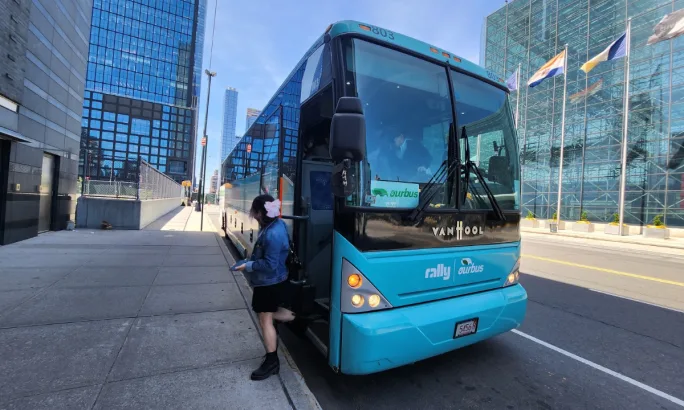
Rally OurBus uses confirmed passenger reservations to determine which routes are viable, typically requiring around 25 passengers before confirming a trip with an independent motorcoach operator.
Credit:
Rally OurBus
Singh pointed to FitzGerald Brothers/Finger Lakes Winery Tours, which has worked with Rally to transport thousands of Buffalo Bills fans to home games. In that arrangement, Rally handles passenger bookings and demand generation while the independent operator delivers the transportation service. The company transports more than 3,000 Bills fans annually, according to Singh, with pickup locations distributed throughout the region.
Green Bay has provided another example of how shared motorcoach transportation can serve events that attract passengers from beyond the immediate metropolitan area.
"One of our biggest lessons is to let passengers help shape the network,” Singh said. “Some of our most successful routes began with fans requesting a pickup location, rather than us deciding in advance where every bus should run.”
Addressing the Challenges of Stadium Transportation
Large sporting events present transportation challenges that differ from conventional scheduled motorcoach operations, especially when thousands of spectators leave a venue simultaneously.
While fans may arrive at a stadium over several hours, departures are concentrated immediately after an event ends. That creates challenges involving vehicle staging, traffic congestion, passenger communications, and coordination with venue operations.
Singh said Rally addresses these issues through advance planning with operators, designated pickup and drop-off locations, and instructions provided to passengers and drivers. Game-day conditions can also change unexpectedly because of overtime, shifting traffic patterns, or venue-specific pickup requirements.
"The challenge is making sure those buses are in the right place when fans need them," Singh said.
The company also uses a volunteer bus captain program, in which passengers serve as points of contact between riders, drivers, and Rally's operations team. These volunteers help communicate updates and identify issues during trips.
Rally also documents operational disruptions, including late pickups and vehicle problems, and uses that information to adjust future service plans.
The operational lessons extend to major concerts, international sporting events, and other large gatherings, which can create similar demands for coordinated transportation and passenger information.
Technology's Growing Role in Event Transportation
Rally OurBus traces its current operating model to the combination of two transportation businesses.
OurBus was founded in 2016 by Singh and Axel Hellman to improve the intercity bus booking experience and develop routes around passenger demand. Rally focused on shared transportation to sporting events and concerts, allowing passengers traveling to the same destination to organize group trips.
The businesses merged in 2021, combining intercity transportation services with event-focused operations. According to Singh, the combined company has transported nearly three million passengers.
Yes, the company’s approach relies on using technology to connect passenger demand with available motorcoach capacity, but it works.
"I think one of the biggest opportunities is moving away from planning transportation solely around fixed schedules and toward a model that responds more directly to passenger demand," Singh said.
The tech is often preferred. More and more, travelers expect digital reservations, clear boarding instructions, electronic tickets, and real-time trip information, according to Singh.
If you’re an independent operator, partnerships with transportation platforms may offer access to those capabilities without requiring substantial investment in proprietary technology.
Event Transportation Beyond Major Sporting Events
Rally OurBus sees additional opportunities to apply its demand-driven model to smaller events and communities that may not support conventional scheduled service.
Through Rally, sports bars, fan clubs, and event organizers can create trips, select pickup locations and destinations, and allow participants to reserve individual seats. The company also anticipates closer coordination among transportation providers, event venues, sports teams, and local businesses as organizers look for ways to improve access and manage congestion.
Shared motorcoach transportation could also reduce the number of individual vehicles traveling to crowded venues when passengers choose buses instead of driving separately.
For operators evaluating opportunities in event transportation, Singh emphasized the importance of combining reliable service with technology that simplifies the passenger experience.
"Independent operators don't necessarily need to build those systems themselves, but working with platforms that can provide the technology and bring in new customers could be an important avenue for growth," Singh said.
Subscribe to Our Newsletter
More Technology

What Transit Maintenance Facilities Should Know About Gas-Detection Placement
Proper gas-detector placement is critical to maintaining safety in transit maintenance facilities, requiring agencies to consider fleet fuel types, ventilation, shop operations, and ongoing equipment maintenance.
People Movement: Metrolink's Kettle Announces Retirement, Feakins to CEO at UZURV, and More
In this edition, we also cover recent appointments and announcements at King County Metro, SilverRide, and more, showcasing the individuals helping to shape the future of transportation.
Imagry, Endera Partner for Automated Buses, Luminator Teams with Avail, and More in Biz Briefs
In METRO's latest installment, we also take a look at recent news from RIDE, Alstom, and more partnerships making headlines across the transportation sector.
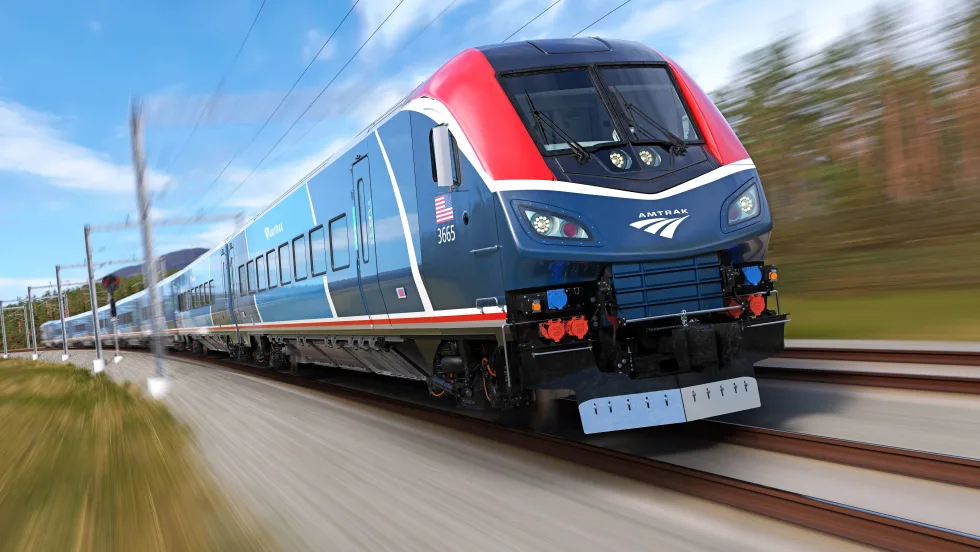
Amtrak Expands Airo Fleet with Eight Higher-Capacity Trainsets
The new 10-car trains, expected to enter service in 2031, will provide about 34% more seating capacity to meet growing demand on the Northeast Corridor.
Improving Transit Safety and Reliability Through AI
Hayden AI’s Chief Growth Officer, Charley Territo, discusses how AI-powered camera enforcement is helping transit agencies keep bus lanes and stops clear, improve accessibility, and move from pilot programs to full-scale deployments.

STraffic Expands North American Presence with Fare Collection Technology
John Moon, Associate Director, Product Strategy at STraffic, discusses the company's growth in North America, its efforts to reduce fare evasion, and more.
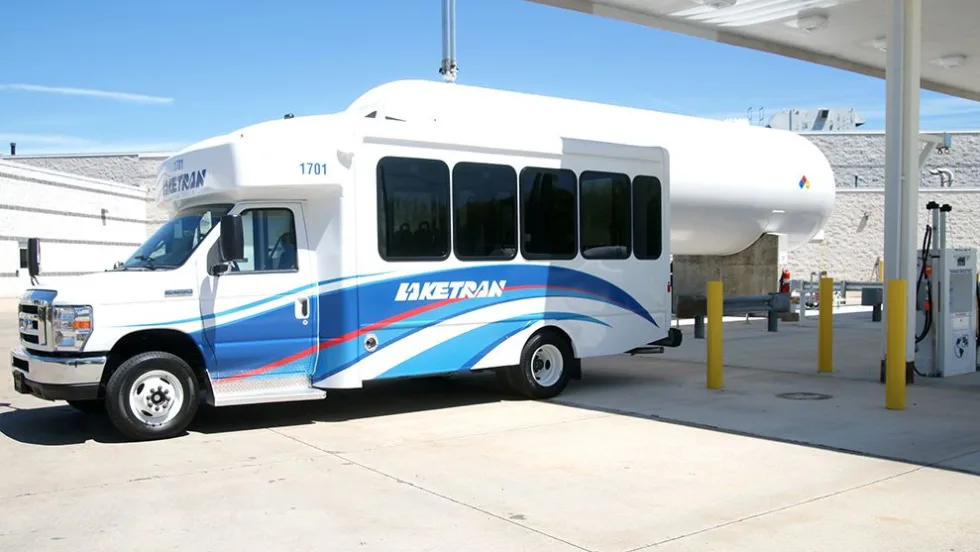
Laketran Cuts Fuel Costs, Boosts Efficiency with Propane-Powered Fleet
The Ohio transit agency is using propane-powered vehicles and on-site fueling infrastructure to cut fuel and maintenance costs while meeting growing demand for paratransit services.
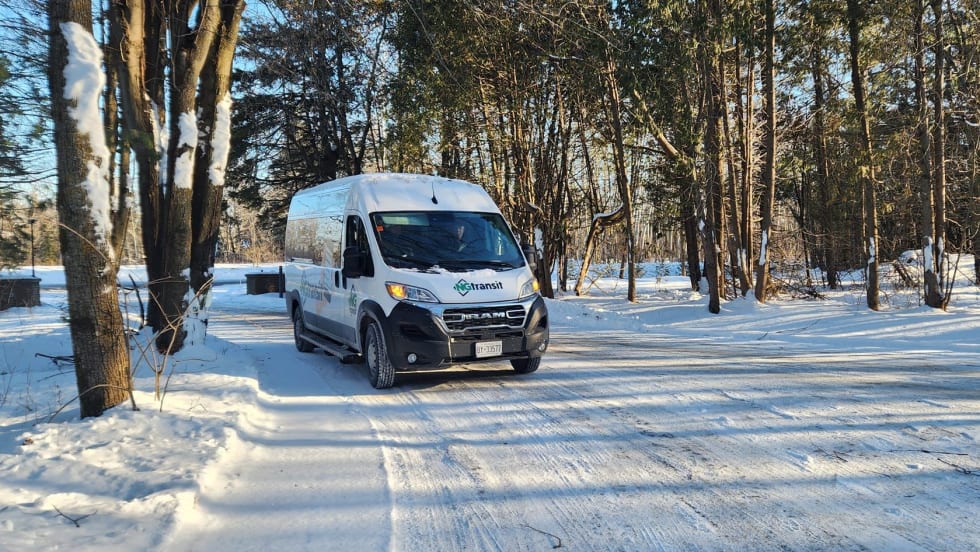
Right-Sizing Rural Transit: Lessons from North Grenville’s On-Demand Model
A small municipality shows how flexible service, rider needs, and public accountability can expand mobility with limited resources.

Transit Expands Agency Partnerships, Reaching 200 Official App Partners
COO Jake Sion discusses Transit’s growth, the success of its Transit Royale program, and how technology is helping agencies improve the rider experience.
Biz Briefs: Ballard, Solaris Partner, New Flyer Receives Florida Order, and More
In METRO's latest installment, we also take a look at recent news from New Flyer, STV, Spare, and more partnerships making headlines across the transportation sector.