



Navigating the Impact of Tariffs on Transit: A Strategic Approach for Agencies
Here, we explore the multifaceted impact of tariffs on transit, the shifting demographics of bus ridership, and the importance of strategic partnerships in mitigating these challenges.

The impact of tariffs on transit is a complex issue that requires strategic thinking and innovative solutions.
Photo: METRO
- The article discusses the complex effects of tariffs on the transit industry and how these affect operational costs and service delivery.
- It highlights the changing demographics within bus ridership, suggesting shifts in how transit services need to be planned and offered.
- The importance of forming strategic partnerships is emphasized as a means to overcome challenges posed by tariffs and demographic changes.
*Summarized by AI
In recent years, various economic factors have significantly influenced the landscape of public transit, including tariffs. Tariffs imposed on imported goods are expected to increase the costs of hardware components essential to transit operations.
As transit agencies face these financial challenges, it is important to develop a strategic plan that highlights the potential benefits of these changes and advocates for sustained or increased funding.
Here, we explore the multifaceted impact of tariffs on transit, the shifting demographics of bus ridership, and the importance of strategic partnerships in mitigating these challenges.
Demographic Shifts in Bus Ridership
One of the most compelling aspects of the current transit landscape is the changing makeup of bus ridership.
Traditionally, public transit has been perceived as a service predominantly used by lower-income individuals and minority populations.
However, in cities like San Jose, Calif., Portland, Ore., New York, NY, and Seattle, there has been a shift in the makeup of transit bus ridership with a more diverse socio-economic base as part of its ridership.
This change is partly driven by the rising costs of car ownership, which is expected to be further exacerbated by tariffs on imported vehicles and parts.
As cars become more expensive, a broader population segment, including middle and upper-income individuals, may turn to public transit as a cost-effective alternative.
Understanding these demographic shifts is imperative for transit agencies. By highlighting the diverse makeup of bus ridership, agencies can craft compelling stories that resonate with policymakers and the public. These narratives can emphasize the inclusivity and accessibility of public transit, making a strong case for maintaining or increasing funding.
In an era where funding cuts are a constant threat, showcasing public transit's broad appeal and necessity can be a powerful tool in securing financial support.
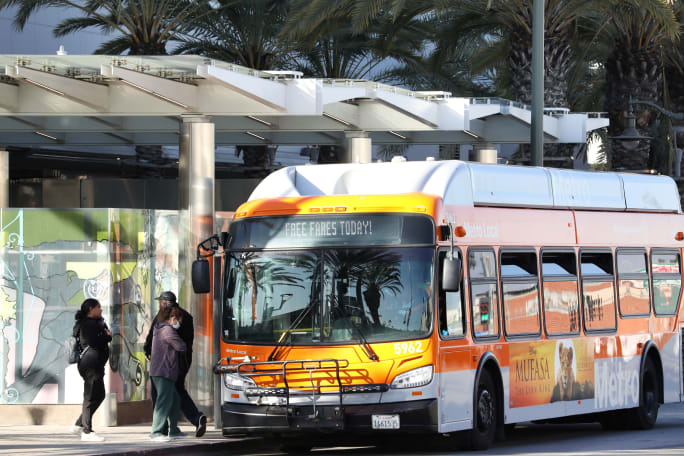
One of the most compelling aspects of the current transit landscape is the changing makeup of bus ridership.
Photo: LA Metro
Funding Challenges and Strategic Narratives
Transit agencies face significant funding challenges, with many experiencing cuts threatening their operations.
In this context, building strategies highlighting the importance of sustained funding is essential. One practical approach is to emphasize the potential increase in ridership due to rising car costs.
As tariffs drive up the price of vehicles, more people may opt for public transit, leading to higher ridership numbers. This potential increase can be used to argue for the necessity of maintaining or boosting transit agencies' funding.
Moreover, aligning these narratives with the current political climate can be beneficial.
Under the current presidency, there is a strong focus on economic issues and the impact of tariffs. By framing the need for transit funding within this context, agencies can appeal to policymakers' priorities and secure the support they need.
Highlighting the economic benefits of public transit, such as reduced traffic congestion, which is beneficial for local businesses, can further strengthen these narratives.
Impact of Tariffs on Costs
Tariffs directly impact the costs of hardware components used by transit agencies.
Many of these components are imported, and the tariffs imposed on them lead to higher prices. This increase in costs can strain transit agencies' budgets, making it difficult to maintain and upgrade their infrastructure.
In this challenging environment, agencies should explore alternative solutions that can mitigate these costs.
One effective strategy is to shift away from hardware-based solutions, which are susceptible to the rising cost of components found in the devices, and toward software-based solutions.
Unlike hardware, software is not subject to tariffs, making it a more cost-effective option. Transit agencies can reduce their reliance on expensive hardware components and streamline operations by investing in software solutions. This approach not only helps in managing costs but also enhances the efficiency and effectiveness of transit services.
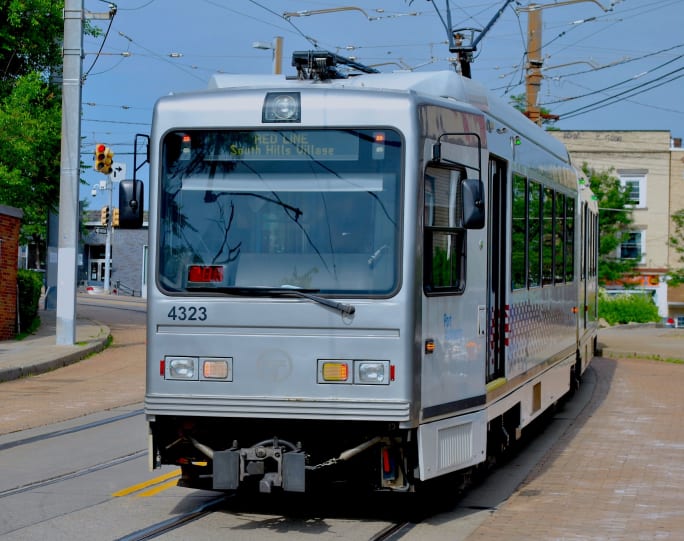
Strategic thinking, innovative solutions, and compelling narratives are key to navigating the impact of tariffs on transit.
Photo: PRT
Strategic Partnerships
With rising costs, strategic partnerships play a vital role in helping transit agencies navigate these challenges.
Aligning with the right partners, particularly software providers, can provide agencies with the necessary tools to avoid increased operational costs. These partnerships can offer innovative solutions that enhance the functionality of transit systems while keeping costs under control.
For example, software providers can offer platforms that leverage AI and cloud-based technology to improve route planning, ticketing, real-time bus tracking, and the prioritization of bus routes on busy corridors. These solutions can optimize operations, reduce delays, and improve the overall passenger experience. By leveraging these technologies, transit agencies can demonstrate their commitment to innovation and efficiency, making a strong case for continued funding.
Public Safety Considerations
The impact of tariffs extends beyond transit agencies to public safety equipment, such as fire trucks, ambulances, and law enforcement vehicles.
While many fire trucks are built in America, they rely on imported parts that are subject to tariffs. This increase in costs can strain public safety agencies' budgets, making it difficult to maintain and upgrade their equipment.
In this context, software-based solutions can also play a crucial role. By adopting software solutions, public safety agencies can also reduce their reliance on expensive hardware components and utilize taxpayer dollars more efficiently. These solutions can enhance the functionality of public safety equipment, improve response times, and ensure the safety of communities.
The impact of tariffs on transit is a complex issue that requires strategic thinking and innovative solutions.
Transit agencies can effectively navigate these challenges by understanding the changing demographics of bus ridership, crafting compelling narratives, and exploring cost-effective alternatives. Strategic partnerships with software providers can offer the tools needed to mitigate increased costs and enhance transit systems' efficiency.
Strategic thinking, innovative solutions, and compelling narratives are key to navigating the impact of tariffs on transit.
By highlighting the potential benefits of these changes and advocating for sustained funding, transit agencies can ensure they continue providing essential services to diverse and growing populations.
Quick Answers
Tariffs can increase operational costs for transit agencies by raising the price of vehicles, parts, and maintenance supplies, which in turn can affect service delivery and budgeting decisions.
*Summarized by AI
More Management

METRO Opens Submissions for 2026 Motorcoach Awards
Nominations are now being accepted for METRO Magazine’s Operator of the Year and Innovative Operator of the Year awards.
Read More →
New York MTA Advances Final Contract for Second Avenue Subway Expansion
Contract Four is the largest in the Second Avenue Subway Phase 2 project and includes construction of station infrastructure, tracks, and signals for the subway expansion, MTA officials said. Work on Contract Four will begin in 2027.
Read More →
Transit Agencies Highlight Safety Gains at National Summit
Leaders from 15 major transit systems shared crime-reduction results and safety initiatives while discussing the role of continued federal support.
Read More →

NITA Names New Leadership, Expands Reduced-Fare Program at First Board Meeting
The new regional transit authority appointed its first board chair and interim executive director while extending reduced fares across CTA, Metra, and Pace for eligible riders.
Read More →
Beyond the Checklist: A Structured Approach to Transit Maintenance
Reliability-Centered Maintenance helps transit agencies move beyond routine checklists to focus limited resources on the assets and failures that have the greatest impact on safety, reliability, and service.
Read More →
APTA 2026 Nominating Committee Selects Leadership Slate, Names Chair and Vice Chair Nominees
Leadership changes will help shape the association’s priorities and its representation of the transportation industry during the 2026–2027 term.
Read More →
DART Launches Major Security, Fare Enforcement Initiative
The 90-day demonstration will deploy coordinated security teams at five light rail stations while testing controlled access and gathering data to guide future investments.
Read More →
Advancing Fare Collection Through Technology and Innovation
Learn about delivering 1300 gates at 91 stations while managing fare evasion. Explore the large scale deployment, solution customization and real-world results that affect the region. Prepare for deployment in your region now.
Read More →
Game Day in Motion: Moving Millions During the 2026 World Cup
Between packed transit stations and team motorcoaches, see how agencies and operators across North America tackled the transportation demands of the 2026 FIFA World Cup.
Read More →
Surface Transportation Extension Averts Shutdown, Leaves Transit Funding Gap
The stopgap keeps federal transportation programs moving, but missing advance funding could complicate the transit and rail projects agencies are planning next.
Read More →