



ZEVs, Service Expansions Power SacRT’s Microtransit
With a total of nine active service zones, the agency’s SmaRT Ride program ensures residents across Sacramento County have access to cleaner, more convenient, and cost-efficient transportation options.


As riders continue to express their satisfaction with the SmaRT Ride program, SacRT has focused its efforts on sustainability, deploying GreenPower’s EV Star All-Electric Min-eBuses.
SacRT
The Sacramento Regional Transit District (SacRT) was one of just a handful of transit systems throughout the nation piloting microtransit technology in early 2018. Today, the agency is one of the largest microtransit providers in the country, operating its SmaRT Ride service with 45 shuttles, nine of which are zero-emission electric vehicles (ZEVs).
With a total of nine active service zones and an increasing popularity among riders — even in the midst of the COVID-19 pandemic — SacRT continues to use its SmaRT Ride service to ensure residents across Sacramento County have access to cleaner, more convenient, and cost-efficient transportation options.
A lifeline for the community
In February 2018, SacRT launched its SmaRT Ride service as a pilot to enhance an outdated dial-a-ride program in the city of Citrus Heights with a more innovative and flexible shuttle service.
Using the SmaRT Ride app, powered by public mobility company Via, the service allows riders to hail a vehicle directly from their smartphone.
The app’s state-of-the-art scheduling software provides users with an estimated pick-up time, and they can also track their ride in real time on a map and receive alerts for vehicle arrivals and departures. The cost to ride is about $2.50 per trip, $1.25 for discount eligible riders — seniors and persons with disabilities — or free for youth with the RydeFreeRT sticker or pass.
“This is extremely affordable when you compare it to other ridesharing services,” says Carmen Alba, SacRT’s VP of bus operations. “The service gives residents the ability to travel within their community and make connections to major destinations such as shopping centers, medical facilities, school, light rail stations, and transit centers at their convenience.”
Using approximately $12.5 million in funding from the Sacramento Transportation Authority (STA) Board, SacRT expanded its SmaRT Ride program to focus on the region’s disadvantaged communities. Last year, the STA extended the agency’s funding period through June 2023 and awarded SacRT an additional $2 million for the program.
Since receiving the funding, the agency’s service zones have provided a critical lifeline to communities with populations that are approximately 48% minority, 15% low-income, and 13% disabled, while three of the zones — Franklin-South Sacramento, Gerber, and North Sacramento — serve communities that consist of more than 80% minority populations.
“We continue to hear similar positive remarks about the service,” Alba says. “In an early SmaRT Ride customer satisfaction survey, the results showed that we had about 50% new riders trying transit for the first time, with over 74% having access to other means of transportation, and 66% surveyed said they were ‘extremely’ satisfied with SmaRT Ride.”
The ease of ZEVs
As riders continue to express their satisfaction with the agency’s service, SacRT has focused its efforts on the sustainability of the SmaRT Ride program using ZEVs.
In January 2020, SacRT added six GreenPower EV Star All-Electric Min-eBuses to its Downtown-Midtown-East Sacramento zone and three more of the EV Min-eBuses, provided by Electrify America, to its Franklin-South Sacramento zone in June 2020.
“Deploying EVs for SacRT's SmaRT Ride service allowed us to showcase the new, ground-breaking, and convenient service with bus technology of the future,” Alba says. “Because SacRT's SmaRT Ride service does not operate on a schedule, flexibility of the service allows for swapping of vehicles when charging is necessary without disrupting service.”
With plans of adopting more ZEVs on the horizon, Alba says GreenPower has played a key role in the program’s success by providing timely customer service.
“During this unprecedented transition to a zero-emissions future, transit properties have taken a unique approach towards fleet electrification, and there is no magic bullet,” says Ryne Shetterly, GreenPower’s VP of sales and marketing. “The transition does not come without its challenges, as we were seeing units down due to lack of familiarity, and other general training opportunities. We’ve developed internal service protocols to support our customers' rollouts each day, and we’ve seen some tremendous success through this approach.”
In addition, Shetterly says GreenPower's parts facilities are strategically located in the central part of the state, which makes it easy to service its California customers in a timely manner, regardless of their location.
“We anticipate growing our regional support system for direct customers as we see many emerging markets gain traction in the near term, and if it's not with GreenPower directly, it can be at any of ABC Bus locations in the city of [and] around the state of New York, New Jersey, and Connecticut.”
Plans for expansion, lessons learned
Despite the COVID-19 pandemic causing a slight drop in the service’s ridership (about 15%) in March and April 2020, Alba says SmaRT Ride ridership is trending up around 58% from the previous year.
“SmaRT Ride has been in operation since February 2018 and has provided more than 305,609 total rides since it launched,” she says. “In comparison, the original Citrus Heights dial-a-ride service provided 8,000 rides in 2017.”
This growing performance is why the agency followed through with several recent service expansions — one in June 2020 to expand three SmaRT Ride zones and another expansion in April 2021, combining the Arden and Carmichael zones, extending the Folsom zone, and adding the Natomas area into the North Sacramento zone.
More SmaRT Ride service expansions are expected this summer, according to Alba.
As for the agency’s growing ZEV fleet, she says SacRT is looking into charge management software systems to better monitor and control charging of multiple ZEVs.
“The transit industry is in the midst of a historic revolution that will reshape how people travel in the future and microtransit is at the forefront,” Alba adds. “Innovative and equitable public transit is critical to economic and social mobility in our cities, especially during challenging times like COVID-19.”
“The smaller vehicle footprint allows for transit properties to consolidate, and instead of running a 40-foot, diesel bus around your town, you can run a 25-foot, medium-duty vehicle to carry up to 19 passengers, or multiple ADA passengers, and still meet the needs of your service area and your community, all while not emitting any emissions and also saving in terms of operational costs,” Shetterly says.
When planning the use of ZEVs for microtransit, Alba encourages transit agencies to carefully plan out service zones so they are not too big to create more demand than the service can handle. She also says that agencies should ensure service zones include key destinations such as grocery stores, shopping centers, schools, medical facilities, and other points of interest, in addition to great first mile/last-mile connections to transit centers.
More New Mobility
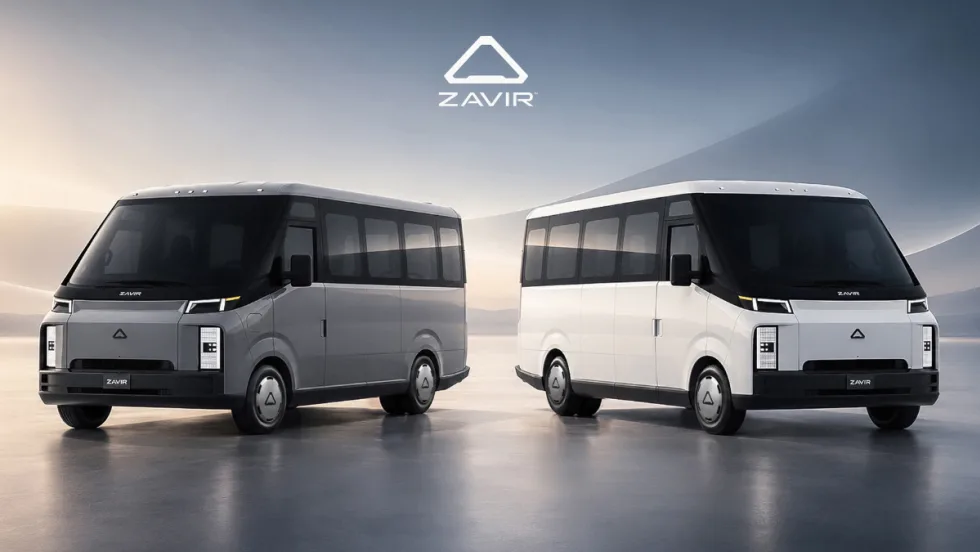
ENC Unveils ZAVIR Medium-Duty Electric Shuttle
The new ZAVIR brand targets shuttle and paratransit operations with battery-electric and range-extended electric vehicle options.
Read More →
Public Transit Conference Returning to GFX in 2027, Call for Papers Now Open
The Call for Papers is now open, allowing transit agency professionals and industry experts to help shape the PTC educational program by submitting session ideas for consideration.
Read More →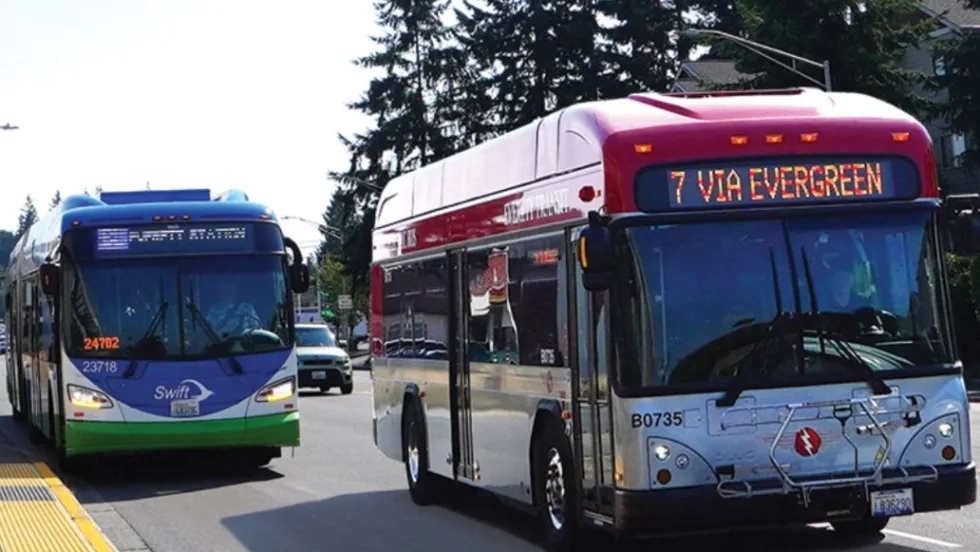
Everett Transit, Community Transit Outline Consolidation Agreement
The proposed agreement calls for a 50% increase in bus service in Everett, a new microtransit zone, continued paratransit service, and the transfer of Everett Transit operations to Community Transit.
Read More →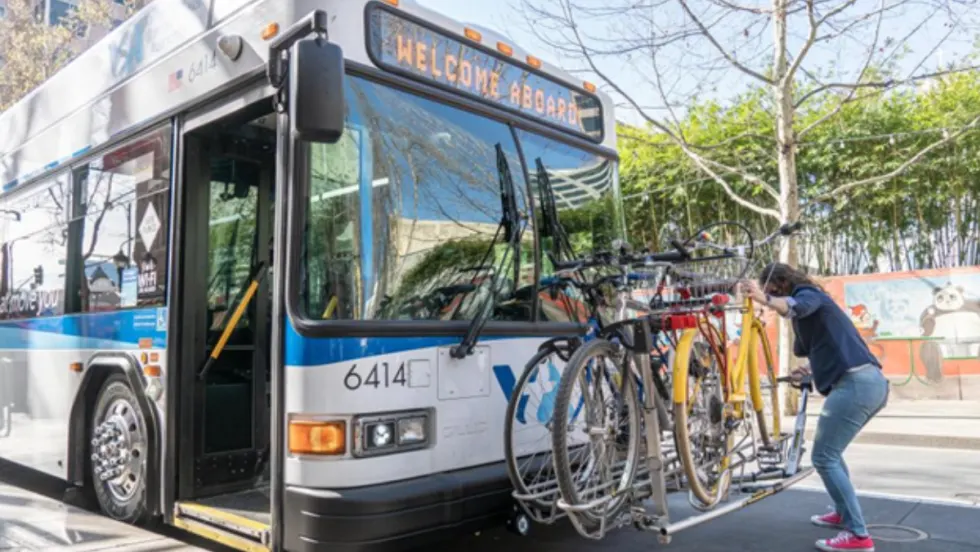
What Multimodal Data Can Tell Transit Agencies About Rider Demand
See how bike-on-bus data is giving transit agencies new insight into rider demand, capacity constraints, and gaps in first- and last-mile connections.
Read More →
From Hardware to Digital Partner: Luminator Charts Its Next Chapter
CEO Magnus Friberg discusses Luminator’s shift toward becoming a digital partner, the growing importance of software and interoperability, and how AI can help agencies improve operations and passenger experience.
Read More →
Biz Briefs: Alstom Lands Canadian Contract, LYT to Supply California TSP, and More
In METRO's latest installment, we take a look at recent news from Complete Coach Works, Beep, FlixBus, and more partnerships making headlines across the transportation sector.
Read More →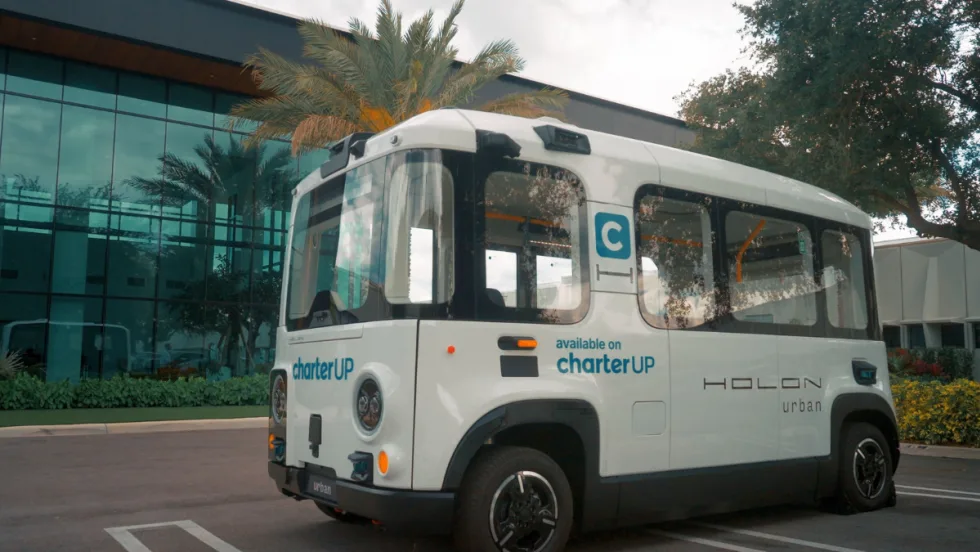
CharterUP’s Armir Harris on Technology, AI, and the Future of Group Mobility
In a recent episode of METROspectives, CharterUP Founder/CEO Armir Harris discussed the company’s evolution from an online charter bus marketplace into a technology platform supporting public- and private-sector mobility and much more.
Read More →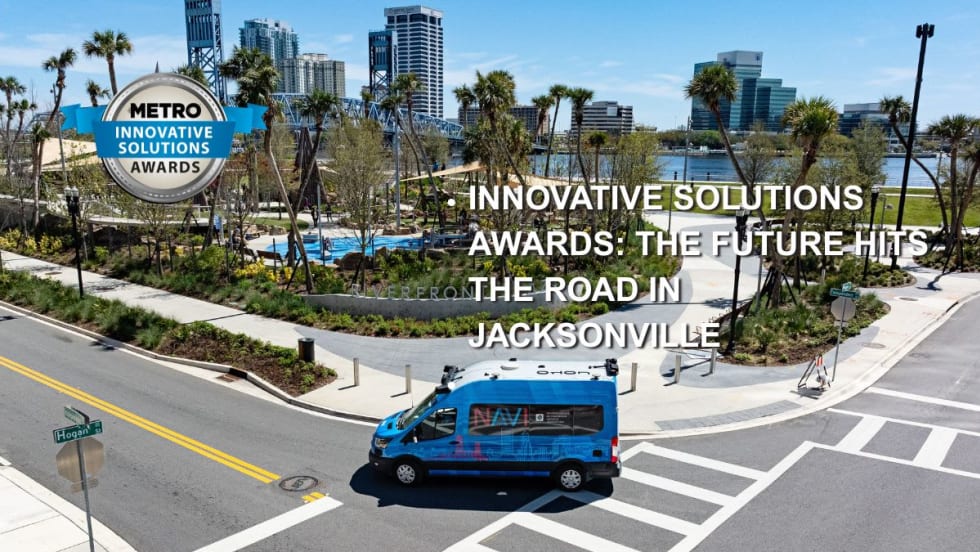
Jacksonville’s NAVI Project Charts a New Course for Autonomous Public Transportation
Through its NAVI program, JTA is showing how autonomous vehicles, intelligent infrastructure, and coordinated operations can work together to deliver everyday public transportation.
Read More →
Biz Briefs: Luminator Marks Milestone and More
From manufacturers and suppliers to transit agencies and motorcoach operators, these updates offer a snapshot of the projects, partnerships and business moves driving the industry forward.
Read More →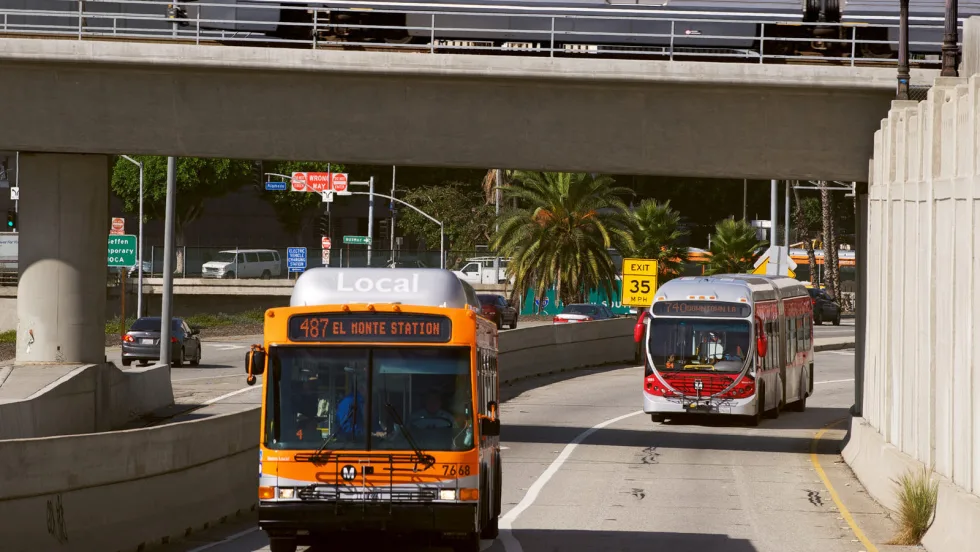
New Tricks for Old Bureaucracies: Joshua Schank on Making Transit Innovation Stick
Former LA Metro Chief Innovation Officer Joshua Schank discusses why good ideas aren't enough, how transit agencies can overcome resistance to change, and why today's challenges demand more innovation.
Read More →