




RELATED: California mandates zero-emission bus fleets by 2040
5 Predictions About the Future of Transit and Mobility in 2019
Mobility is rapidly changing, with new service offerings, electrification and an increasing impact on our basic transportation choices, from car ownership to having a major impact on public transportation ridership.
January 8, 2019

Recently, mass transit ridership has been declining at a worrying rate in the U.S., partially due to economic growth and the increase in car ownership, and recently due to the emergence of new mobility alternatives.
4 min to read

Micromobility devices that transport one or two people (e.g. electric scooters, motorized skateboards, unicycles etc.) will gain traction in big urban centers become a preferable solution for “the first and last mile” issue.
Mobility is rapidly changing, with new service offerings, electrification and an increasing impact on our basic transportation choices, from possibly changing whether people own a car to having a major impact on public transportation ridership.
Although it’s difficult to make predictions in such a rapidly moving market, here are five predictions for 2019 in transit and mobility:
1. Electric buses won’t become omnipresent in the U.S. and Europe, but more presence can be expected
Electric bus adoption varies widely between countries and continents. China is committed to electric buses (mostly as a way to control emissions) and, accordingly, there are 16,000 electric-vehicle-public transportation buses in Shenzhen alone, much more than the estimated 300 in the US and the 2,500 in Europe. Shenzhen is now on its way to electrify the city’s taxis.
Shenzhen is not going to be alone. Many cities around the world are promoting the transition to electric vehicles and specifically buses. European and North American public transit agencies and operators are gradually piloting or adding electric buses to existing fleets. Local governments and agencies are funding this change, which also needs technology maturity (and scheduling muscle — read this about the impact of electric vehicles). 2019 will be a year where the numbers of electric buses in Europe and North America will grow. Electric vehicles are substantially quieter so pay attention — you won’t hear them coming…
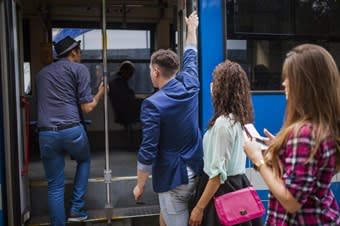
Recently, mass transit ridership has been declining at a worrying rate in the U.S., partially due to economic growth and the increase in car ownership, and recently due to the emergence of new mobility alternatives.
2. More ridership turnaround stories
Recently, mass transit ridership has been declining at a worrying rate in the U.S., partially due to economic growth and the increase in car ownership, and recently due to the emergence of new mobility alternatives. This is forcing agencies and operators to reconsider what can be done about ridership, forcing a hard look at what determines public transit ridership, from on-time performance, to trip volumes and routes.
Ridership is complex and is influenced by many factors. In 2019 new technologies utilizing big data will help improve transit networks by making them more efficient while reducing the costs. Deriving insights from big data utilizing AI will improve on-time performance and the entire rider experience, from better on-time performance to changing routes, new service offerings, etc. These efforts can and will grow ridership, and cities that will invest in these initiatives will see the numbers turn around. 2018 saw few U.S. cities grow ridership; we predict that 2019 will see more such cities.
3. The next big thing is small – Micro-Mobility
Micro-mobility or devices that transport one or two people (e.g. electric scooters, motorized skateboards, unicycles etc.) will gain traction in big urban centers, and become not only a viable but also a preferable solution for “the first and last mile”, a challenge mass transit has been facing for quite a while.
As adoption numbers go up, micro-mobility will also replace larger shared-mobility options that were first to market. New vehicle types that will be better suited for shared/rental use will appear and with them new regulations that will make sure drivers, passengers and pedestrians are safe (age restrictions, helmets, etc.). Micro-mobility will keep evolving and new devices will keep popping up around us.
4. The government’s role will change
As new mobility options — from micro-mobility to shared rides — enter the public transit sphere, and since each option has an impact on the economic viability of transit, congestion, and even city-wide economies, transit agencies won’t just deal with traditional mass transit (buses, trams, and trains) but with regulating and managing multiple modes of transportation and how they affect cities.
5. Driving will remain a useful skill for now
Last but not least, despite the fact that mobility is profoundly affecting the most basic ways with which we move around in the world, you can rest assured that autonomous vehicles will not take over in 2019. Nothing major will happen in the AV space; big brands will continue to invest millions of dollars in autonomous vehicles, there will be more pilots in more cities trying to prove the safety of these vehicles, and obviously, we will hear more about it in the news, however usage will remain limited. Contrary to this, we do expect autonomous shuttles to gain traction in some innovative cities in the U.S. and Europe.
Some closing remarks
The mobility space is sizzling! Technological advancements and billions of dollars are pouring into a space that for a long while was almost forgotten. This space will keep evolving in the next few years at a pace that will be determined by regulators and their willingness to invest, operators and agencies and their willingness to adapt to market changes and people whose ingenuity and innovation will keep reshaping our lives.
Amos Haggiag is the co-founder and CEO of Optibus, which helps transit providers better run mass-transportation through advanced artificial intelligence and optimization algorithms.
Subscribe to Our Newsletter
More Blog Posts
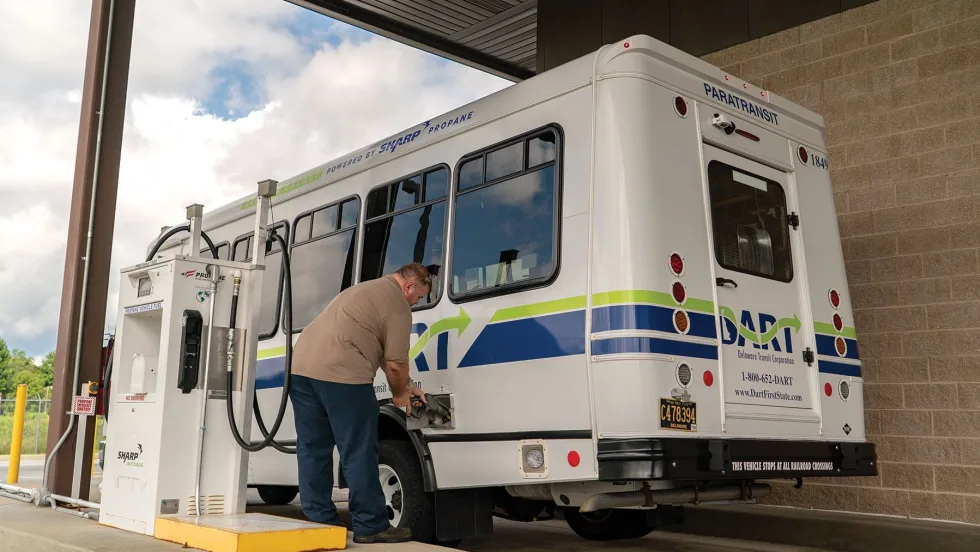
Building a Winning FTA Grant Proposal: Why Propane Autogas is the Pragmatic Choice for Fleet Resilience
With $610 million available through the FY 2026 Buses and Bus Facilities Competitive Program and the Low or No Emission Grant Program, agencies must build a compelling case before the September 21 deadline that balances environmental compliance with operational feasibility.
Read More →
Velo-city Conference 2026: Latest Trends in Cycling as Part of Urban Mobility
The global cycling conference highlighted how cities are integrating bicycles into multimodal transportation networks, expanding cycle tourism and reshaping urban mobility.
Read More →
Kindness Isn’t Soft...It’s Strategic.
Mike Bismeyer — often known as “The Kindness Guy” — has spent more than 17 years in public transit and mobility, serving in industry leadership roles, speaking across North America, and advocating for stronger workplace cultures. But his message doesn’t come from theory. It comes from lived experience.
Read More →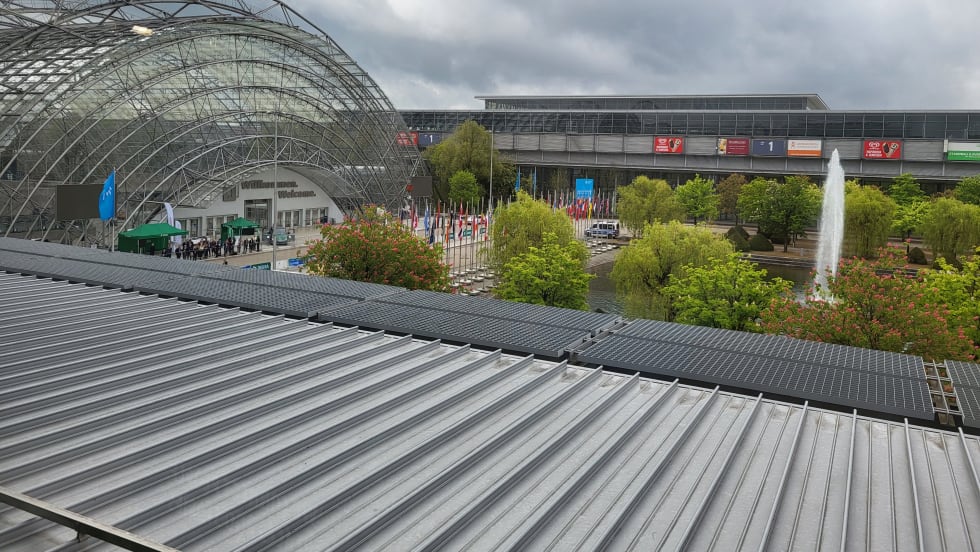
Inside ITF 2026: Transport Reacts to A Challenging World
Transport leaders from around the world gathered in Leipzig, Germany, for the 2026 International Transport Forum to discuss resilience, climate impacts, supply chains and the future of sustainable mobility.
Read More →
Every Ride Tells a Story — But You’re Not Just Selling the Ride
You’re selling the moment, the meaning, and the emotion behind it.
Read More →
How Digital Signage is Reshaping the Traveler Experience at Transportation Hubs
What was once a landscape of static signs has evolved into a responsive, immersive environment powered by real-time visual communication.
Read More →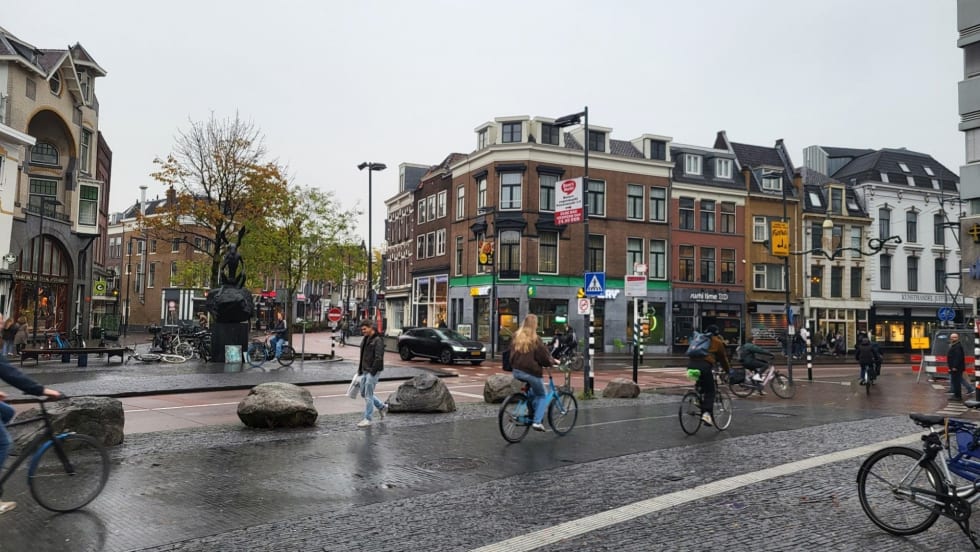
Latest Trends in Urban Mobility from Polis Conference 2025
Polis comprises cities and regions, as well as corporate partners, from across Europe, promoting the development and implementation of sustainable mobility. This year’s event had over a thousand attendees across various policy forums and an exhibition.
Read More →
Why Transit Leaders Require Better Tools for Operational Clarity In Today’s Tech-Fragmented Environment
Across North America and beyond, transit agency officials are contending with a perfect storm of operational headaches and strategic challenges that hamper daily service and long-term progress.
Read More →
The Powerless Brokers: Why California Can’t Build Transit
It is no secret that transit in the U.S. is slow and expensive to build.
Read More →
Why Transport Sustainability Should Focus on People Instead of Cars
Simply incentivizing electrification is not enough to make a meaningful impact; we must shift our focus toward prioritizing public transportation and infrastructure.
Read More →