



From Commuter to Active Traveler: An Expat’s Mobility Perspective
From the day I was born, my life has been shaped by the automobile. You see, I was born and raised in Los Angeles. Regardless of the tired cliches, it is true, L.A. is a dominant car culture and that translates into music, art, cinema, and even cuisine.

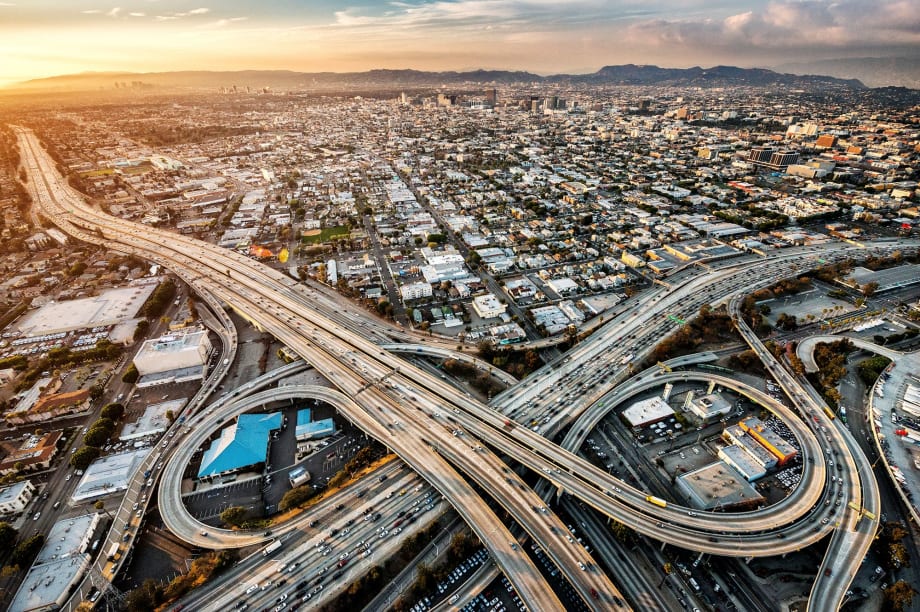
Regardless of the tired cliches, it is true, L.A. is a dominant car culture and that translates into music, art, cinema, and even cuisine.
Getty Images/Extreme-Photographer
From the day I was born, my life has been shaped by the automobile. You see, I was born and raised in Los Angeles. Regardless of the tired cliches, it is true, L.A. is a dominant car culture and that translates into music, art, cinema, and even cuisine.
Having spent my early years in Southern California, many of my formative memories were captured within the confines of an automobile. I can still recall the weekly trips with my parents traversing the L.A. freeway network from Pasadena to Culver City to visit my relatives.
I would also play amateur navigator for my father in these pre-teen years, as his work in auto insurance involved driving across the Los Angeles Region. In fact, this nascent role planted the seed for my future career, as a cartographer. I would be the one in charge of helping my father locate clients throughout the city, all with the help of the Thomas Brothers Guide (city atlas flip book).
Time moved on, and I eventually attended college on the east coast in Vermont. These years spent in the foreign land of “New England” were also dominated by the automobile. I learned the trials and tribulations of driving through ice, sleet, rain, and snow in four-plus seasons — they include “mud season” as a separate season to Spring in Vermont.
With bachelor’s degree in Geography in hand, I realized this native Californian simply wasn’t cut out for the four-plus seasons, so I high tailed it back to the West Coast. This time, I relocated to San Diego and pursued graduated school in Urban Planning. In San Diego is where I met my wife and started a family. However, this is where the influence of the automobile on my life really started to take shape.
At this time in my early 30s, my career started to take off, and so did my commuting. I would at this point average at least 30 to 45 minutes spent in my own car driving each way to work. While at the time it seemed quite manageable, it began to take a toll on my mental and physical health.
My wife and I relocated to Northern California to be closer to her family, and this is where the real fun begins. We purchased our first house in the East Bay of San Francisco, and I would now have a blended car/transit commute. This meant, I would spend 1.5 to two hours travelling each way in the mornings to Oakland and San Francisco.
While I was committed to cut down on my percentage of time spent in a car, my travels actually ballooned into a “monster commute,” quite typical for Los Angeles and the San Francisco Bay Area. This meant, half of my two-hour commute was stuck in traffic, and then the second half was spent on an urban rail system (BART), taking me to the office.
As you can imagine, these four hours per day spent commuting took an even greater toll on our lives and family. It was then that I downsized and began to seek opportunities that allowed for more telework, but with the requirement for frequent domestic travel.
Fast forward to four years ago, and our family made the subsequent decision to relocate overseas to Lisbon, as my wife is Portuguese and she would be pursuing a PhD degree. My condition for the relocation was to continue our downsizing, by owning only one car. While this was met with skepticism, she agreed, and it has been our happy arrangement ever since.
It seems obvious why we would own only one automobile in Europe, as the availability and access to public transport and shared mobility options is ubiquitous. However, ours was also a deeply personal decision rooted in years spent in endless and unhealthy commutes.
Now that we‘re in Europe, I walk everywhere, own a bicycle, and use public transport and micromobility as much as possible. While COVID has paused my international travel and over-emphasized my telework activities, this is an arrangement that is here to stay. As my early years were spent in the automobile, I plan to gain that time back with more active forms of mobility, for the environment, and my health.
More Blog Posts
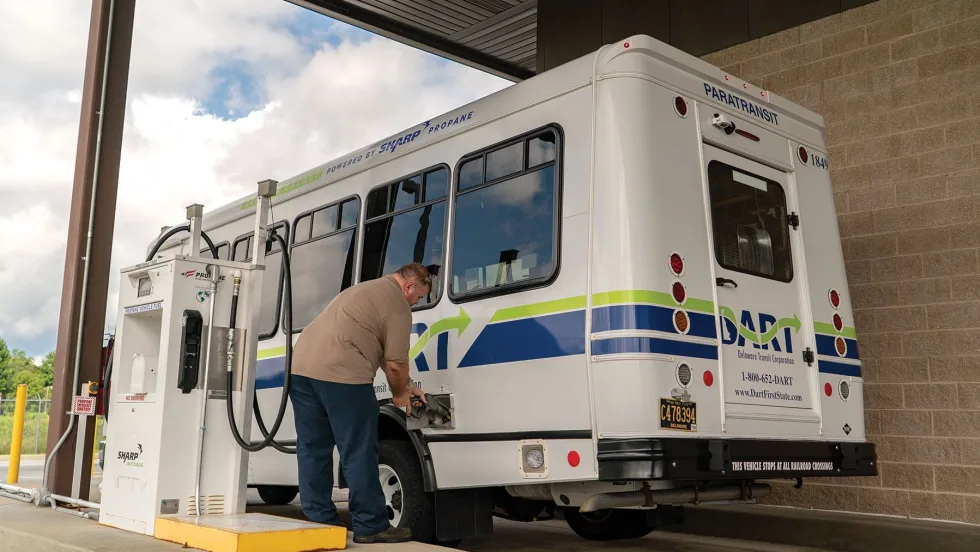
Building a Winning FTA Grant Proposal: Why Propane Autogas is the Pragmatic Choice for Fleet Resilience
With $610 million available through the FY 2026 Buses and Bus Facilities Competitive Program and the Low or No Emission Grant Program, agencies must build a compelling case before the September 21 deadline that balances environmental compliance with operational feasibility.
Read More →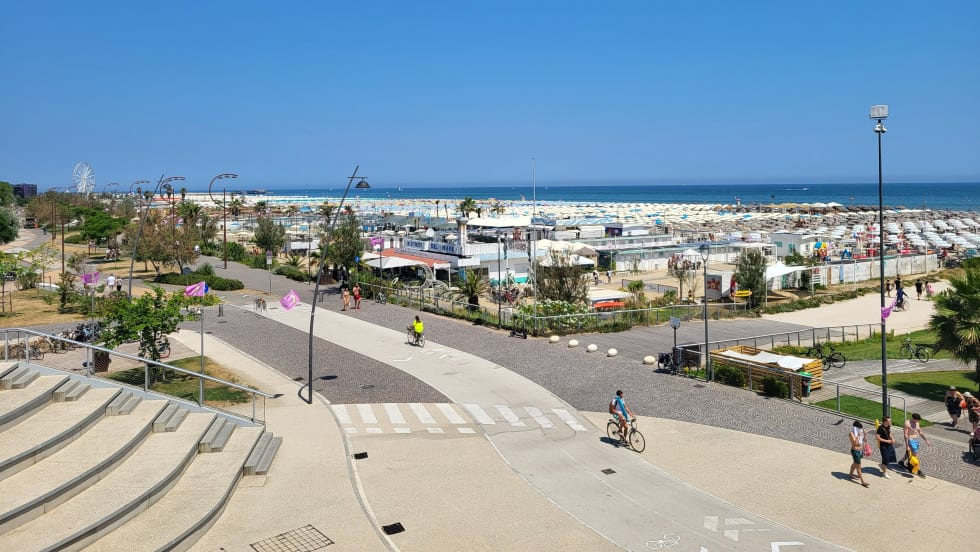
Velo-city Conference 2026: Latest Trends in Cycling as Part of Urban Mobility
The global cycling conference highlighted how cities are integrating bicycles into multimodal transportation networks, expanding cycle tourism and reshaping urban mobility.
Read More →
Kindness Isn’t Soft...It’s Strategic.
Mike Bismeyer — often known as “The Kindness Guy” — has spent more than 17 years in public transit and mobility, serving in industry leadership roles, speaking across North America, and advocating for stronger workplace cultures. But his message doesn’t come from theory. It comes from lived experience.
Read More →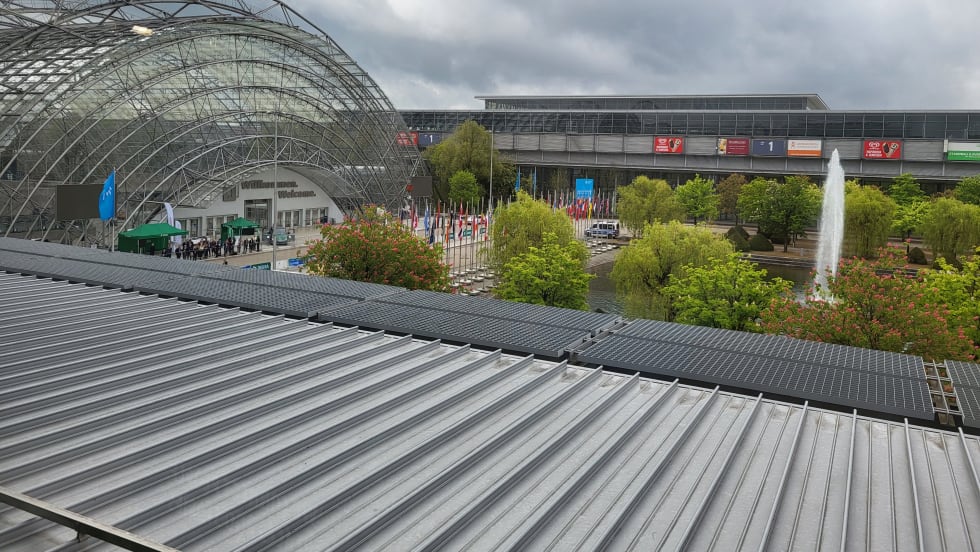
Inside ITF 2026: Transport Reacts to A Challenging World
Transport leaders from around the world gathered in Leipzig, Germany, for the 2026 International Transport Forum to discuss resilience, climate impacts, supply chains and the future of sustainable mobility.
Read More →
Every Ride Tells a Story — But You’re Not Just Selling the Ride
You’re selling the moment, the meaning, and the emotion behind it.
Read More →
How Digital Signage is Reshaping the Traveler Experience at Transportation Hubs
What was once a landscape of static signs has evolved into a responsive, immersive environment powered by real-time visual communication.
Read More →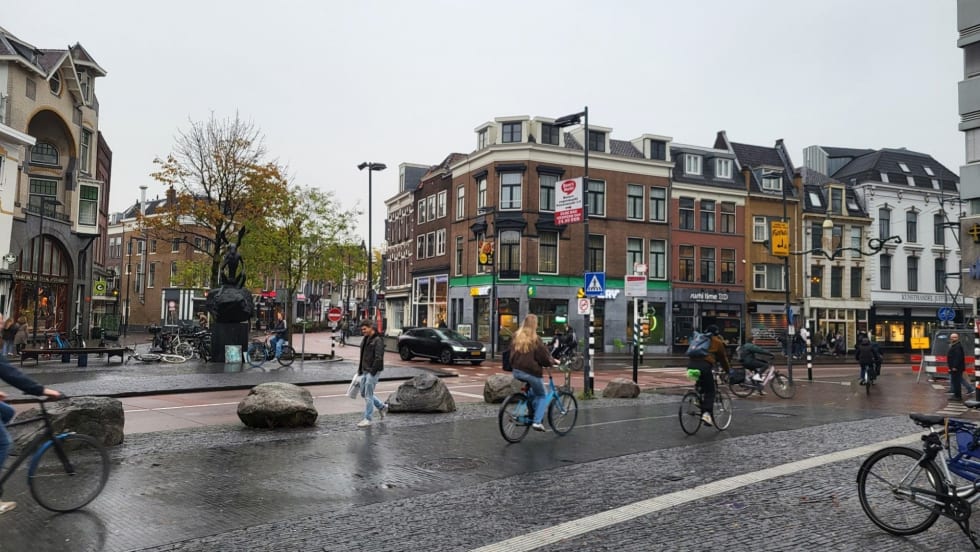
Latest Trends in Urban Mobility from Polis Conference 2025
Polis comprises cities and regions, as well as corporate partners, from across Europe, promoting the development and implementation of sustainable mobility. This year’s event had over a thousand attendees across various policy forums and an exhibition.
Read More →
Why Transit Leaders Require Better Tools for Operational Clarity In Today’s Tech-Fragmented Environment
Across North America and beyond, transit agency officials are contending with a perfect storm of operational headaches and strategic challenges that hamper daily service and long-term progress.
Read More →
The Powerless Brokers: Why California Can’t Build Transit
It is no secret that transit in the U.S. is slow and expensive to build.
Read More →
Why Transport Sustainability Should Focus on People Instead of Cars
Simply incentivizing electrification is not enough to make a meaningful impact; we must shift our focus toward prioritizing public transportation and infrastructure.
Read More →