



From farm to table via public transit
In Philadelphia, where more than 35 percent of the population relies on public transit as its sole means of transportation and about 25 percent of residents live below the poverty level, accessing affordable, fresh and healthy foods is a challenge. SEPTA is working with the City and The Food Trust to help make farm fresh fruits and vegetables a staple of Philadelphians’ diets.

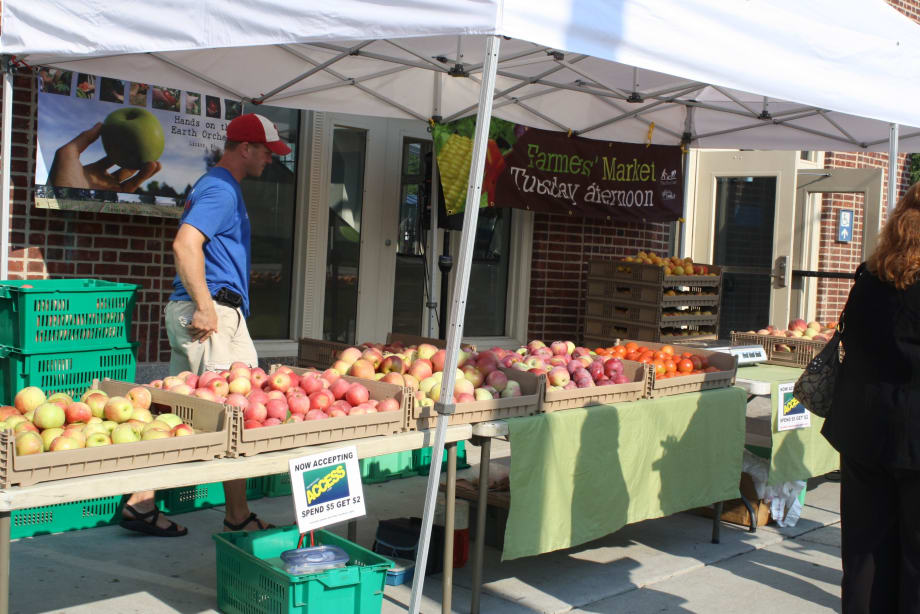
A farmer's market stand at the Frankford Transportation Center in Philadelphia.
A farmer's market stand at the Frankford Transportation Center in Philadelphia.
In Philadelphia, where more than 35 percent of the population relies on public transit as its sole means of transportation and about 25 percent of residents live below the poverty level, accessing affordable, fresh and healthy foods is a challenge.
Southeastern Pennsylvania Transportation Authority (SEPTA) is working with the City and Philadelphia-based The Food Trust to help make farm fresh fruits and vegetables a staple of Philadelphians’ diets.
On September 13, SEPTA GM Joseph M. Casey joined Philadelphia Mayor Michael A. Nutter, U.S. Senator Robert P. Casey Jr. (D-PA) and Philadelphia Deputy Mayor Donald F. Schwarz at the grand opening of the Food Trust’s farmers market at SEPTA’s Frankford Transportation Center (FTC) in Northeast Philadelphia. FTC is one of SEPTA’s busiest hubs, serving more than 16,000 riders a day on the Market-Frankford elevated line and almost 20 bus routes.
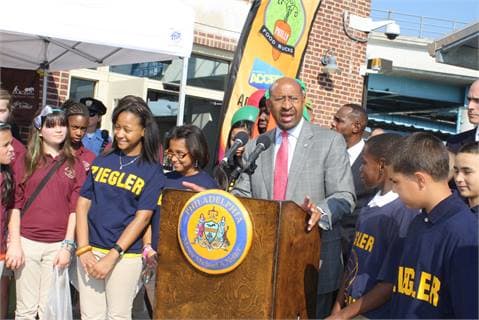
Philadelphia Mayor Michael A. Nutter at the opening of the FTC site.
Flanked by children from local elementary schools, Nutter noted he was “incredibly excited” for the opening of the FTC site because it “combines access to healthy options with sustainable food systems, local economic growth and transit-oriented development.”
The markets are part of the federally-funded "Get Healthy Philly" program designed to get Philadelphians involved in healthy lifestyles and prevent obesity. Currently, there are 25 Get Healthy Philly markets across the city, including 10 that opened in the past 16 months. In addition to the FTC site, SEPTA hosts a market at its Olney Transportation Center in North Philadelphia. And, all of the Get Healthy Philly markets are located near SEPTA train, trolley and bus stops.
In addition to the Food Trust markets, SEPTA leased land next to its 46th Street Market Frankford Line station in West Philadelphia to The Enterprise Center for the Walnut Hill Community Farm, a youth cooperative that farms the land and sells the produce at that station and at SEPTA’s Center City headquarters.
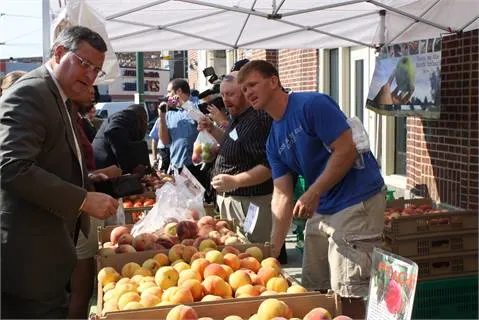
SEPTA GM Joseph Casey, shown left, and the elected officials made the market's first purchases of the day, buying apples and peaches.
“Improving access to fresh local foods at our stations is one of the social goals outlined in SEPTA’s Sustainability Plan,” said Casey. “We realize that, as our region’s primary transportation services provider, we play a key role in the challenge of getting our riders to fresh fruits and vegetables. Without these farmers markets, many of our passengers would be limited in their options of taking healthy foods home to their families.”
SEPTA also helps bring healthy foods to its employees by sponsoring the Community Supported Agriculture (CSA) “Farm to SEPTA” program at its headquarters. Farm to SEPTA, a partnership with three groups, enabled the authority’s employees to purchase biweekly shares from the Walnut Hill Farm.
SEPTA’s involvement with the farmers’ markets and the CSA program demonstrates the expanded role public transit can have in its communities.
“We are doing more than moving passengers from one point to another,” said Casey. “We are helping to introduce our customers to better food choices by bringing more nutritious foods to locations that are more accessible and convenient for them and we are promoting our regional economy by working with local farmers. SEPTA is pleased to be involved with this worthwhile initiative.”
After the ceremony at FTC, Casey and the elected officials made the market’s first purchases of the day, buying apples and peaches. As Nutter said, “Nothing beats a good peach.”
In case you missed it...
Read our METRO blog, "5 key ingredients to a new bus operator training program," here.
More Blog Posts
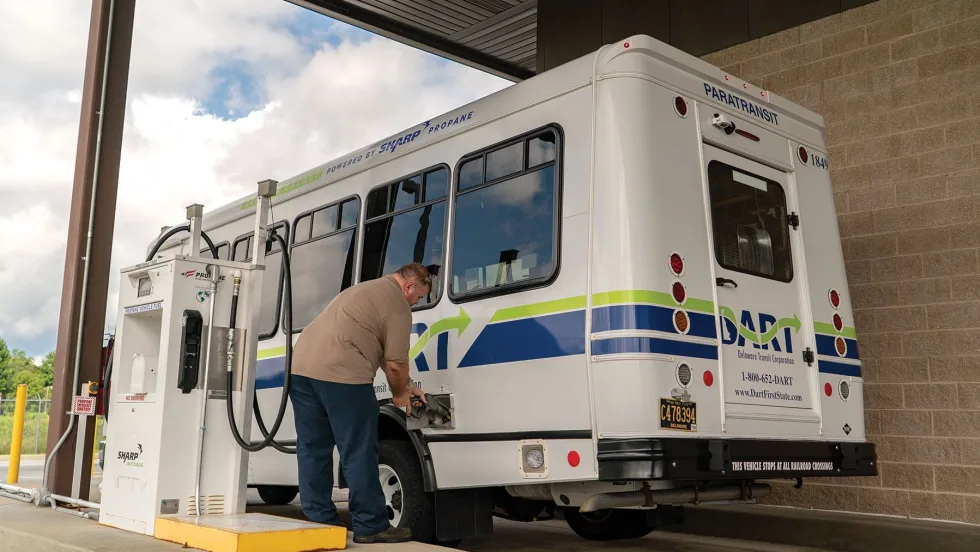
Building a Winning FTA Grant Proposal: Why Propane Autogas is the Pragmatic Choice for Fleet Resilience
With $610 million available through the FY 2026 Buses and Bus Facilities Competitive Program and the Low or No Emission Grant Program, agencies must build a compelling case before the September 21 deadline that balances environmental compliance with operational feasibility.
Read More →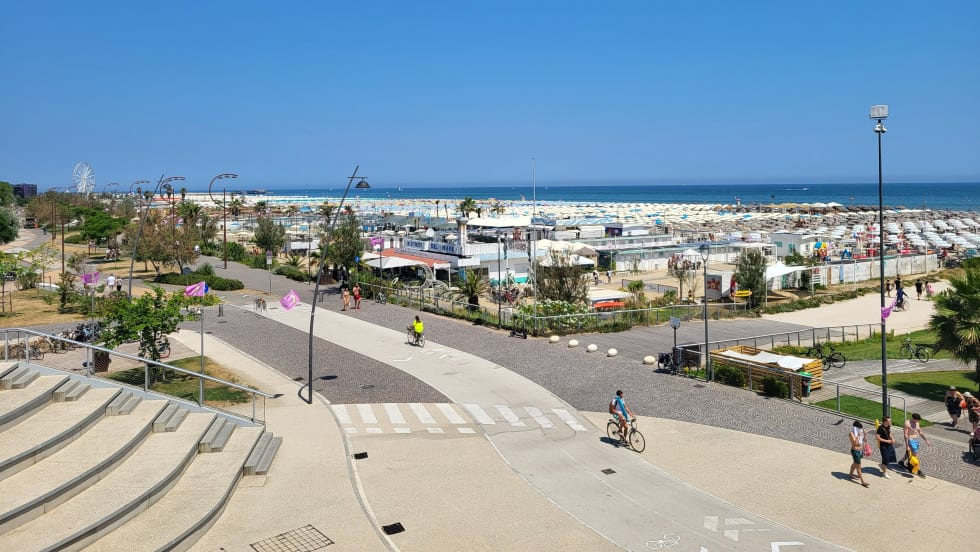
Velo-city Conference 2026: Latest Trends in Cycling as Part of Urban Mobility
The global cycling conference highlighted how cities are integrating bicycles into multimodal transportation networks, expanding cycle tourism and reshaping urban mobility.
Read More →
Kindness Isn’t Soft...It’s Strategic.
Mike Bismeyer — often known as “The Kindness Guy” — has spent more than 17 years in public transit and mobility, serving in industry leadership roles, speaking across North America, and advocating for stronger workplace cultures. But his message doesn’t come from theory. It comes from lived experience.
Read More →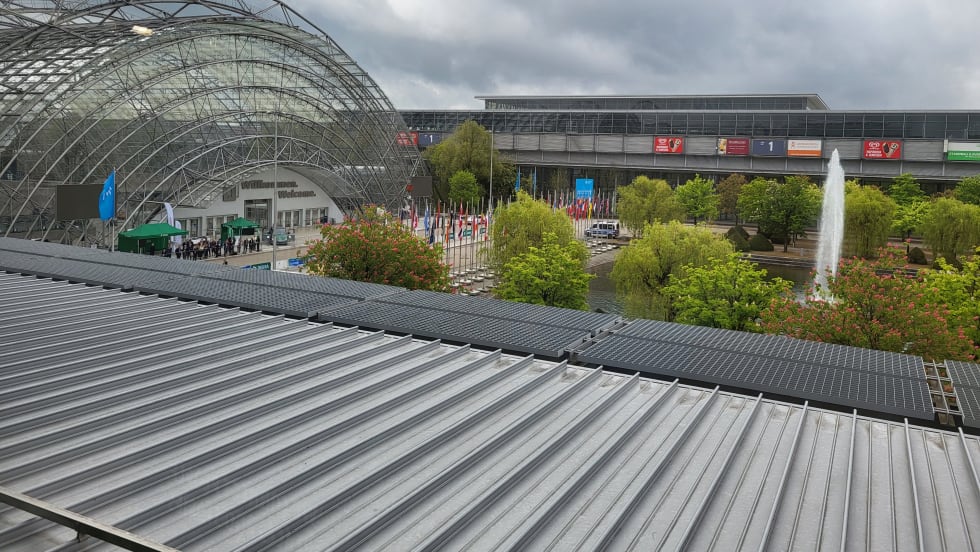
Inside ITF 2026: Transport Reacts to A Challenging World
Transport leaders from around the world gathered in Leipzig, Germany, for the 2026 International Transport Forum to discuss resilience, climate impacts, supply chains and the future of sustainable mobility.
Read More →
Every Ride Tells a Story — But You’re Not Just Selling the Ride
You’re selling the moment, the meaning, and the emotion behind it.
Read More →
How Digital Signage is Reshaping the Traveler Experience at Transportation Hubs
What was once a landscape of static signs has evolved into a responsive, immersive environment powered by real-time visual communication.
Read More →
Latest Trends in Urban Mobility from Polis Conference 2025
Polis comprises cities and regions, as well as corporate partners, from across Europe, promoting the development and implementation of sustainable mobility. This year’s event had over a thousand attendees across various policy forums and an exhibition.
Read More →
Why Transit Leaders Require Better Tools for Operational Clarity In Today’s Tech-Fragmented Environment
Across North America and beyond, transit agency officials are contending with a perfect storm of operational headaches and strategic challenges that hamper daily service and long-term progress.
Read More →
The Powerless Brokers: Why California Can’t Build Transit
It is no secret that transit in the U.S. is slow and expensive to build.
Read More →
Why Transport Sustainability Should Focus on People Instead of Cars
Simply incentivizing electrification is not enough to make a meaningful impact; we must shift our focus toward prioritizing public transportation and infrastructure.
Read More →