



Making the Transition from Volume to Value
The public transportation industry is now one month into a new Administration. If there is a singular theme to what the nation has experienced — it is that performance matters.

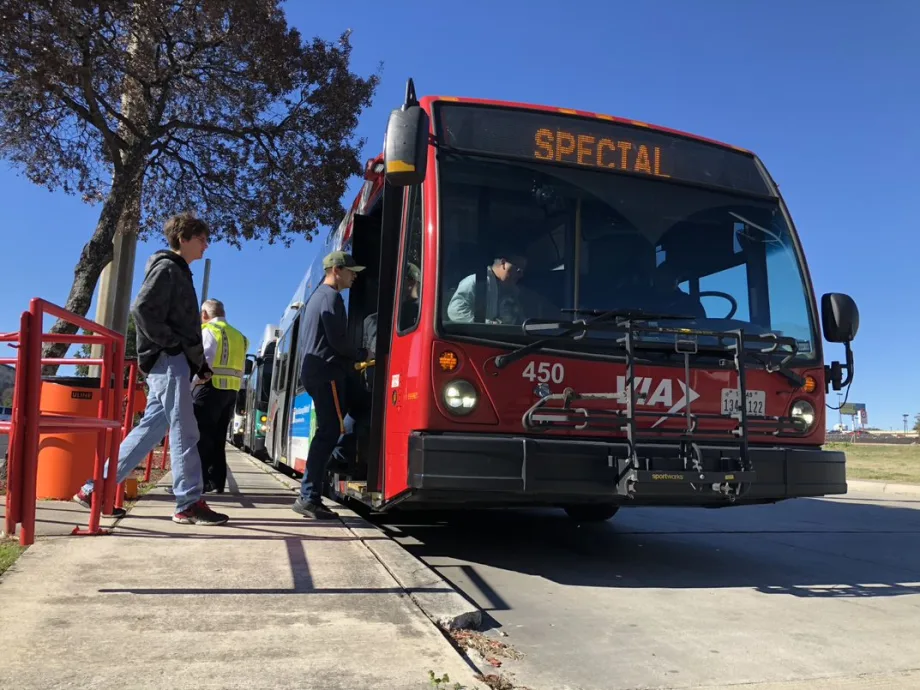
More than 80% of people who live in San Antonio find value in VIA Metropolitan Transit.
Photo: VIA Metropolitan Transit
- The public transportation industry is adjusting to a new Administration's policies.
- A major focus under the new Administration is the emphasis on performance outcomes.
- The concept of shifting from volume to value underscores current nationwide experiences.
*Summarized by AI
The public transportation industry is now one month into a new Administration. If there is a singular theme to what the nation has experienced — it is that performance matters.
The days of simple elected official celebrations that "we increased spending by XX% you should re-elect us" is not the message of success today. Results will matter exponentially.
While many federal public agencies will see reduced spending, some will undoubtedly see increases in funding. HOW? Because they have thrown out the language of yesteryear: the story of ridership recovery. These successful agencies can measurably demonstrate a story of value.
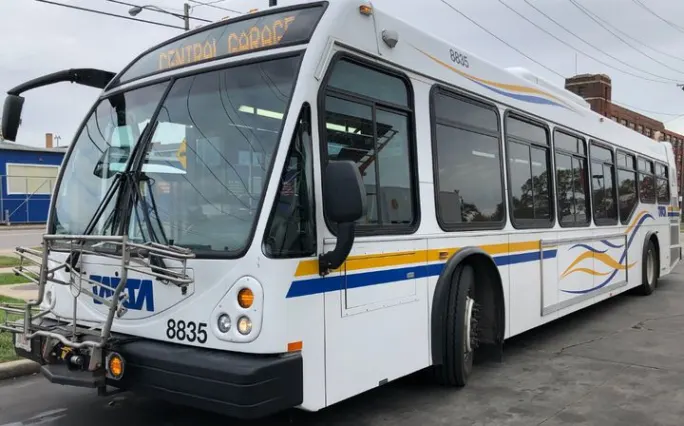
TARTA's leadership team will proudly tell you that 3% of the population utilizes their service, however, its customer satisfaction level is more than 20% above the national average.
Photo: TARTA
Bringing Value to the Table
So, what does sharing your value story look like? Let’s highlight three phenomenal transit agencies changing the conversation:
TARTA in Toledo, Ohio: The leadership team will proudly tell you that 3% of the population utilizes their service. Yet, their customer satisfaction level is more than 20% above the national average. Better yet, 91% of “Toledoians” will tell you they find value in their public transportation system. For an industry that has spent 70 years telling the nation that "ridership is all that matters,” that certainly isn't the definition of value in Toledo.
VIA in San Antonio, Texas: The crown jewel of public transportation customer experience, more than double the national average — they are truly the Ritz Carlton of public transportation customer satisfaction. Added bonus: more than 80% of people who live in San Antonio also find value in their transit agency.
Long Beach Transit in Long Beach, Calif.: With an incredible focus on efficiency and effectiveness, LBT leads the way in measurably delivering value for stakeholder investment. Agency leadership is committed to maximizing productive service hours and minimizing the taxpayer cost for each ride delivered.
These three examples have three key elements in place:
1. Clarity of Measurable Value — Unique definitions of what value looks like in their community and are singularly focused on delivering it. They celebrate performance, not projects. They recognize that what customers and community prioritize in Long Beach is different than San Antonio — a one size fits all model for measurable value could never work. Simply put: they define success and deliver it.
2. Performance Management — As an industry, we are arguably data rich and information poor. What organizations like TARTA, VIA, and LBT have mastered is measuring what matters — and then driving process and behavior change in their organization to produce different results.
3. CEO Performance Reviews Founded on Performance — These Boards and executives have established sound practices that aren't based on the latest newspaper article, the latest audits from a federal or state agency, or how many ribbons got cut. Rather, their performance reviews are built on the delivery of the measurable value established above. Did you increase customer satisfaction? Does the community find us to be more valuable — regardless of ridership levels? If a community finds the transit agency to be more valuable, and customer satisfaction has risen — who are we to lament that ridership went down?
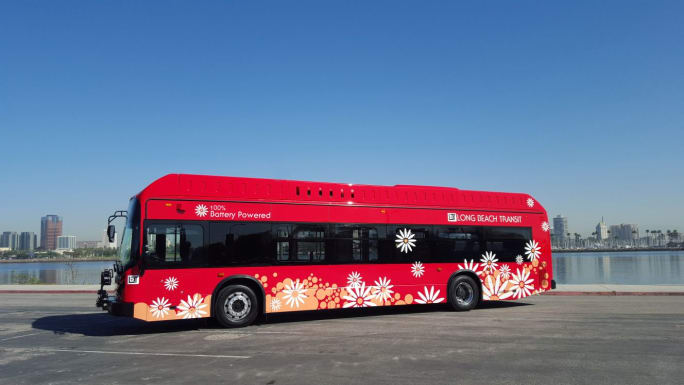
With an incredible focus on efficiency and effectiveness, LBT leads the way in measurably delivering value for stakeholder investment.
Photo: Long Beach Transit/BYD
Why Performance is Key
As one month of a new Administration turns into one year, and the likelihood of the reauthorization of the Infrastructure Investment and Jobs Act is in front of us, this commitment to performance will become codified into federal law.
Public organizations that can tell their story of value based on measurable results rather than episodic stories will be at the front of the line.
Agencies that can demonstrate a rich history of performance rather than elbowing for projects will see increased investment dollars.
We believe that agencies showcasing the results of their CEO, who might have shyly been standing in the shadows, will now be the executive at the front of the room spotlighting how they produced industry-leading value.
Quick Answers
The primary theme identified is that performance matters, which implies a focus on the effectiveness and efficiency of public transportation services.
*Summarized by AI
More Blog Posts
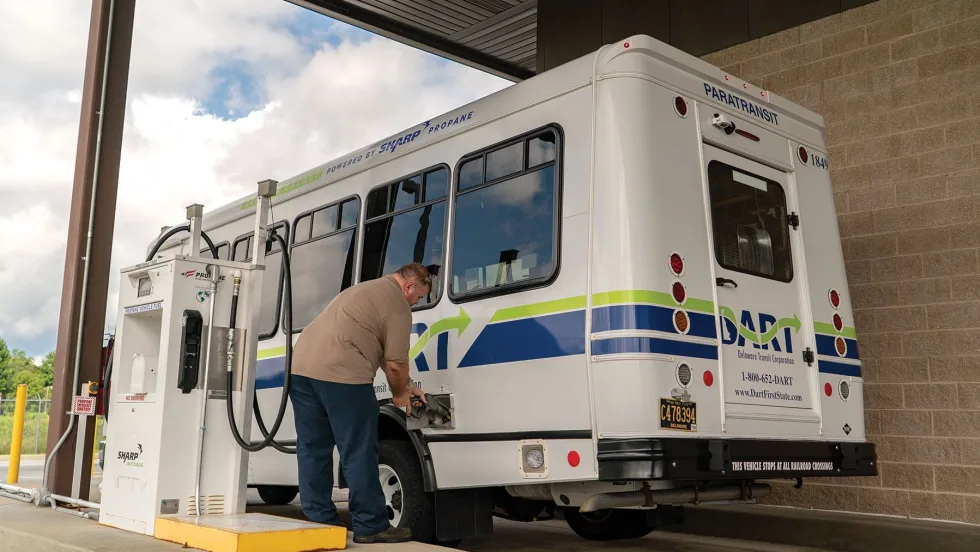
Building a Winning FTA Grant Proposal: Why Propane Autogas is the Pragmatic Choice for Fleet Resilience
With $610 million available through the FY 2026 Buses and Bus Facilities Competitive Program and the Low or No Emission Grant Program, agencies must build a compelling case before the September 21 deadline that balances environmental compliance with operational feasibility.
Read More →
Velo-city Conference 2026: Latest Trends in Cycling as Part of Urban Mobility
The global cycling conference highlighted how cities are integrating bicycles into multimodal transportation networks, expanding cycle tourism and reshaping urban mobility.
Read More →
Kindness Isn’t Soft...It’s Strategic.
Mike Bismeyer — often known as “The Kindness Guy” — has spent more than 17 years in public transit and mobility, serving in industry leadership roles, speaking across North America, and advocating for stronger workplace cultures. But his message doesn’t come from theory. It comes from lived experience.
Read More →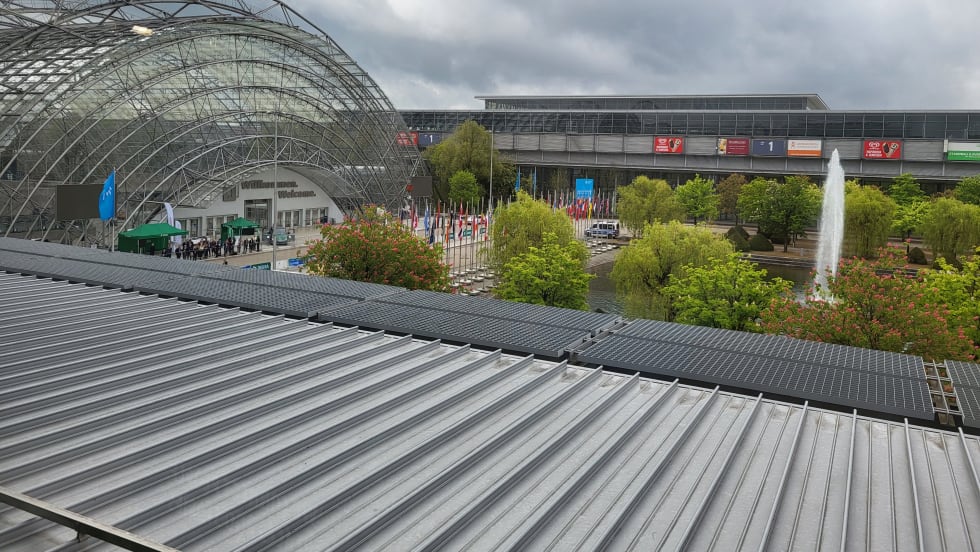
Inside ITF 2026: Transport Reacts to A Challenging World
Transport leaders from around the world gathered in Leipzig, Germany, for the 2026 International Transport Forum to discuss resilience, climate impacts, supply chains and the future of sustainable mobility.
Read More →
Every Ride Tells a Story — But You’re Not Just Selling the Ride
You’re selling the moment, the meaning, and the emotion behind it.
Read More →
How Digital Signage is Reshaping the Traveler Experience at Transportation Hubs
What was once a landscape of static signs has evolved into a responsive, immersive environment powered by real-time visual communication.
Read More →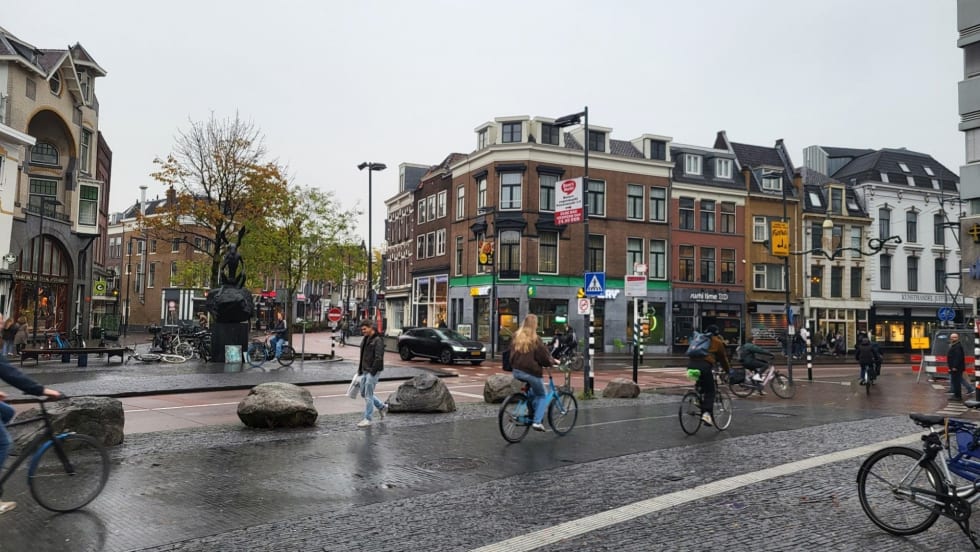
Latest Trends in Urban Mobility from Polis Conference 2025
Polis comprises cities and regions, as well as corporate partners, from across Europe, promoting the development and implementation of sustainable mobility. This year’s event had over a thousand attendees across various policy forums and an exhibition.
Read More →
Why Transit Leaders Require Better Tools for Operational Clarity In Today’s Tech-Fragmented Environment
Across North America and beyond, transit agency officials are contending with a perfect storm of operational headaches and strategic challenges that hamper daily service and long-term progress.
Read More →
The Powerless Brokers: Why California Can’t Build Transit
It is no secret that transit in the U.S. is slow and expensive to build.
Read More →
Why Transport Sustainability Should Focus on People Instead of Cars
Simply incentivizing electrification is not enough to make a meaningful impact; we must shift our focus toward prioritizing public transportation and infrastructure.
Read More →