



Opportunity Rarely Knocks…It Simply Passes By
Some have paraphrased it to suggest that "opportunity knocks but once," suggesting it will pass by unless acted upon and the window of opportunity closes. The phrase itself dates back to England in the 1600s, but has lived on and even been amplified, including by a 1990 movie starring Dana Carvey.


The fact of the matter is opportunity rarely knocks. Conversely, it casts a shadow as it passes by such that you may or may not even be aware of its presence.
Photo: Onkel Ramirez
We have all heard time and again the phrase "opportunity knocks."
Some have paraphrased it to suggest that "opportunity knocks but once," suggesting it will pass by unless acted upon and the window of opportunity closes. The phrase itself dates back to England in the 1600s, but has lived on and even been amplified, including by a 1990 movie starring Dana Carvey.
The fact of the matter is opportunity rarely knocks. Conversely, it casts a shadow as it passes by such that you may or may not even be aware of its presence.
Ray Kroc, the original CEO of McDonald's personified this when he, by happenstance, saw the opportunity that Mac and Dick McDonald had developed in their little restaurant in San Bernardino, Calif. A new model of fast-food restaurants. The opportunity never knocked, the McDonald brothers were wonderfully satisfied and had zero interest in a new business partner. Kroc saw the shadow.
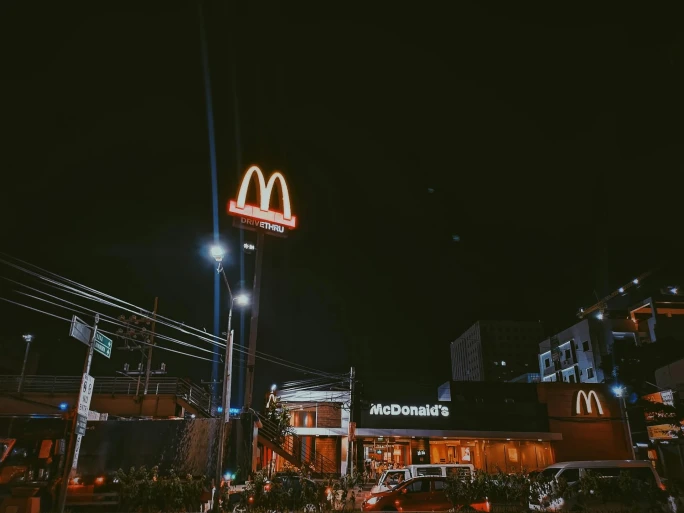
The McDonald brothers were doing what they had always done and it provided them with a comfortable life. Ray Kroc saw a new model. A model that would completely change the industry of fast-food restaurants that were blossoming across the nation.
Photo: Mikechie Esparagoza
Seizing The Opportunity
In the public sector, many executives are caught up in their "projects," the activities their organization is involved in. Is it on schedule? Is it on budget? Did we fill out the grant forms request properly? Rather than investing the time and energy to understand is there a new model.
The McDonald brothers were doing what they had always done and it provided them with a comfortable life. Ray Kroc saw a new model. A model that would completely change the industry of fast-food restaurants that were blossoming across the nation. He was playing a different game.
In public transportation, specifically, the success of the organization comes from improved performance. Period. Is customer satisfaction higher? Does the community find value in the public service that we provide? Did the taxpayer find a measurable return on their investment?
Installing a new milkshake machine isn't valuable any more than a new Wi-Fi network on a fleet of buses is. Will the customer find value? Will the community find value? Measurably versus episodically.
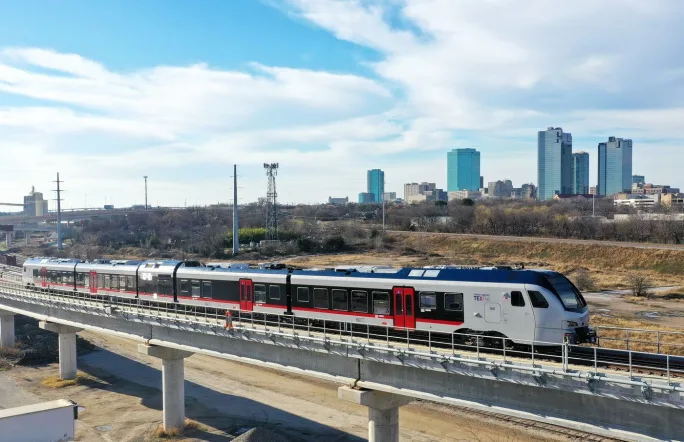
Opportunity will rarely knock. Knowing how to spot value versus distraction in the shadows requires sound strategy, clarity of outcomes, and the courage to drive performance rather than manage projects.
Photo: Trinity Metro
Distinguishing Opportunity from Distraction
There are several key criteria to distinguish opportunity from distraction.
Will it Deliver Desired Results – Am I clear on the outcomes I desire, and will this enhance or accelerate my organization's ability to produce those results?
Risk vs Reward – Does this put my core business at risk and is that a good or bad thing? If I succeed what are the likely results vs the damage if I fail?
Does it Distinguish – If everyone else in my industry is doing it, then how does it distinguish what I do?
Capacity to Engage – Do I have, or do I need, to create the capacity on my team and funding resources to invest in this opportunity?
Steve Jobs, former CEO of Apple, famously said: "What we decided not to do was every bit as important as what we decided to do." Apple didn't chase projects.
Darwin Smith, former CEO of Kimberley-Clark, was derided by Wall Street when he famously sold off their core business to invest more heavily in emerging technology and outperformed the market by four times. Kimberley-Clark didn't protect what had made them.
Steve Sasson, a 24-year-old engineer at Eastman Kodak invented digital photography, only to be told by the C-Suite "not to tell anyone." The drive to innovate that created Kodak had evaporated.
Opportunity will rarely knock. Knowing how to spot value versus distraction in the shadows requires sound strategy, clarity of outcomes, and the courage to drive performance rather than manage projects.
More Blog Posts
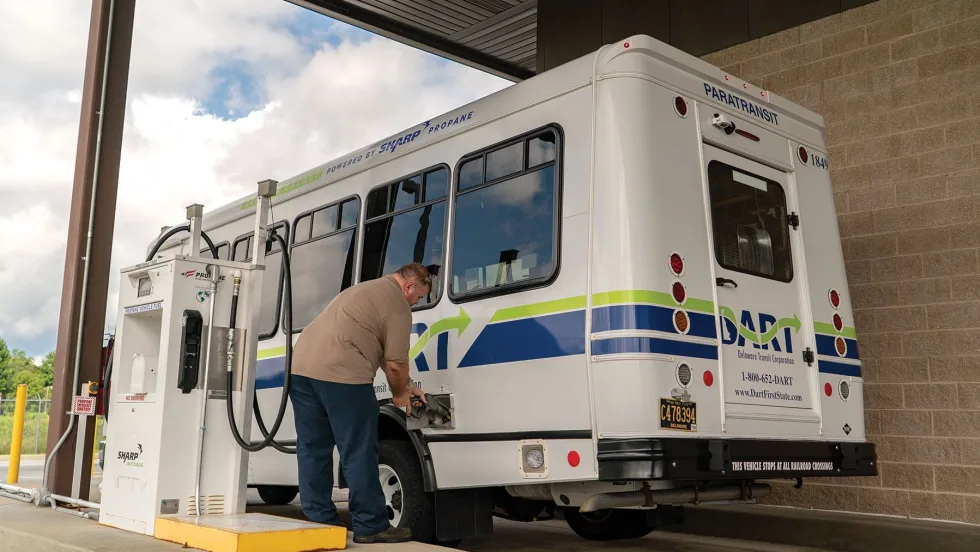
Building a Winning FTA Grant Proposal: Why Propane Autogas is the Pragmatic Choice for Fleet Resilience
With $610 million available through the FY 2026 Buses and Bus Facilities Competitive Program and the Low or No Emission Grant Program, agencies must build a compelling case before the September 21 deadline that balances environmental compliance with operational feasibility.
Read More →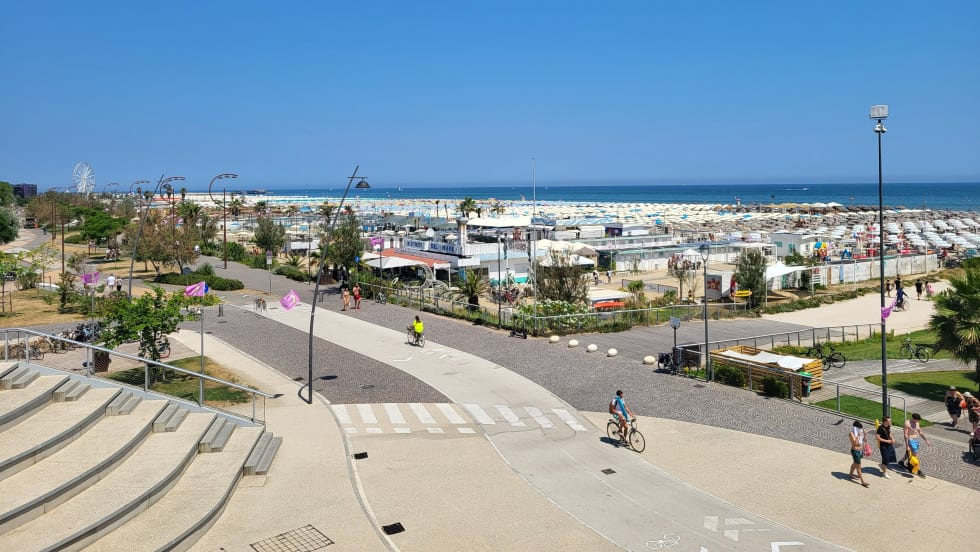
Velo-city Conference 2026: Latest Trends in Cycling as Part of Urban Mobility
The global cycling conference highlighted how cities are integrating bicycles into multimodal transportation networks, expanding cycle tourism and reshaping urban mobility.
Read More →
Kindness Isn’t Soft...It’s Strategic.
Mike Bismeyer — often known as “The Kindness Guy” — has spent more than 17 years in public transit and mobility, serving in industry leadership roles, speaking across North America, and advocating for stronger workplace cultures. But his message doesn’t come from theory. It comes from lived experience.
Read More →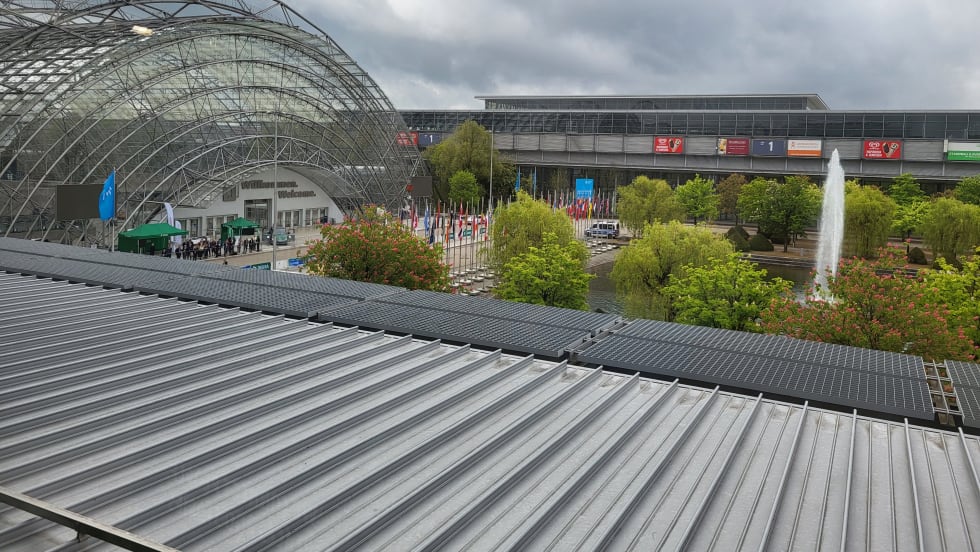
Inside ITF 2026: Transport Reacts to A Challenging World
Transport leaders from around the world gathered in Leipzig, Germany, for the 2026 International Transport Forum to discuss resilience, climate impacts, supply chains and the future of sustainable mobility.
Read More →
Every Ride Tells a Story — But You’re Not Just Selling the Ride
You’re selling the moment, the meaning, and the emotion behind it.
Read More →
How Digital Signage is Reshaping the Traveler Experience at Transportation Hubs
What was once a landscape of static signs has evolved into a responsive, immersive environment powered by real-time visual communication.
Read More →
Latest Trends in Urban Mobility from Polis Conference 2025
Polis comprises cities and regions, as well as corporate partners, from across Europe, promoting the development and implementation of sustainable mobility. This year’s event had over a thousand attendees across various policy forums and an exhibition.
Read More →
Why Transit Leaders Require Better Tools for Operational Clarity In Today’s Tech-Fragmented Environment
Across North America and beyond, transit agency officials are contending with a perfect storm of operational headaches and strategic challenges that hamper daily service and long-term progress.
Read More →
The Powerless Brokers: Why California Can’t Build Transit
It is no secret that transit in the U.S. is slow and expensive to build.
Read More →
Why Transport Sustainability Should Focus on People Instead of Cars
Simply incentivizing electrification is not enough to make a meaningful impact; we must shift our focus toward prioritizing public transportation and infrastructure.
Read More →