



Reach Out and Touch
Kids love vehicles — cars, trucks, construction equipment. But how often do children get a chance to “get up close and personal” with buses, big rigs and emergency responder units? “Touch-a-Truck” events, a relatively new type of community activity, are giving kids across the country the opportunity to sit behind the wheel.

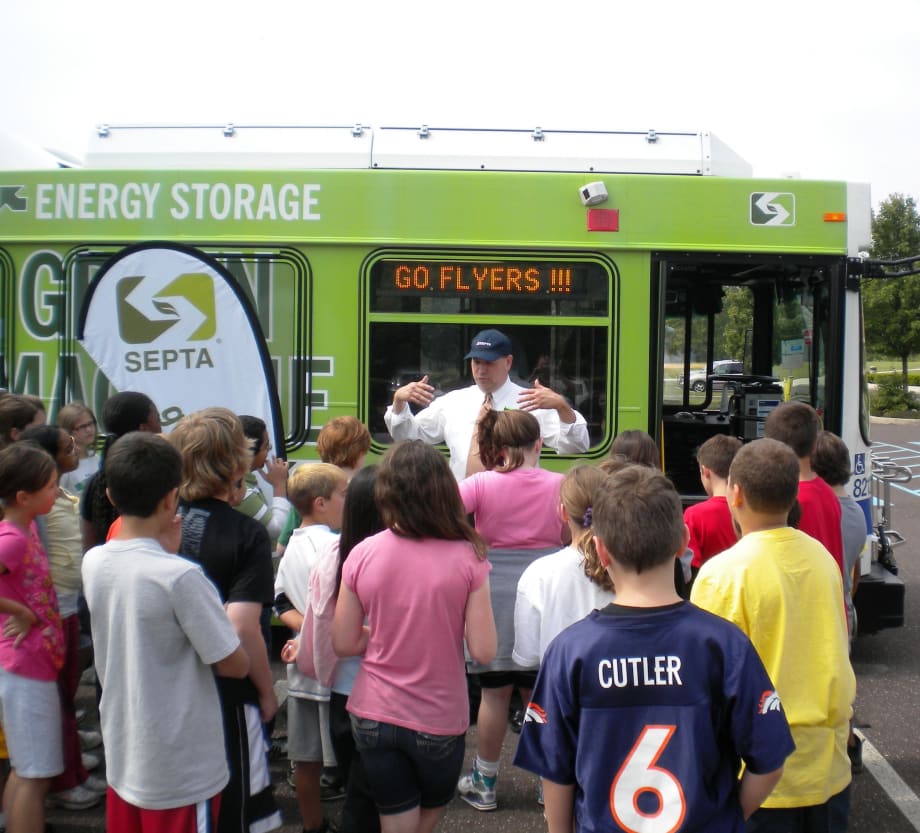
Kids love vehicles — cars, trucks, construction equipment. The bigger the ride, the better. But how often do children get a chance to “get up close and personal” with buses, big rigs and emergency responder units? “Touch-a-Truck” events, a relatively new type of community activity, are giving kids across the country the opportunity to sit behind the wheel.
In the Greater Philadelphia region, Southeastern Pennsylvania Transportation Authority (SEPTA) buses can regularly be found at Touch-a-Trucks alongside cement mixers, motorcycles, ambulances, police cars, tow trucks, military vehicles and more. Children climb aboard, honking horns, turning steering wheels and letting their imaginations take over as they pretend to drive down streets, picking up passengers, rescuing people, moving dirt or hauling trash.
Touch-a-Trucks don’t just allow children the chance to fulfill their fantasies of operating big machines — they also provide for unique learning experiences.
“The events are great educational tools,” said Rochelle Culbreath, a SEPTA constituent relations coordinator who often organizes the agency’s Touch-a-Truck participation. “Our operators are on hand to discuss their jobs, how to drive the bus, and the mechanical system and safety measures the public should take when riding on or being near a bus.”
Because Touch-a-Trucks are family-friendly, they have gained popularity as fundraisers for numerous community groups.
“Black-tie galas and luncheons are adults only,” said Culbreath. “But for a minimal amount, like $20 per family, parents can include their kids in a fun afternoon out for a good cause, with a little learning snuck in.”
SEPTA participates in about four Touch-a-Trucks annually — a number Culbreath anticipates will grow as the activities become more widespread in the agency’s service region.
“There is little cost for the organization hosting the program and the festive atmosphere is appealing to a wide audience,” she said “For SEPTA, since some of the children attending the events have never taken public transportation, we are able to introduce them to a whole new world of travel via mass transit. It’s a win-win for everyone.”
In case you missed it...
Read our METRO blog, "'Purdue to honor Delon Hampton" here.
More Blog Posts
Building a Winning FTA Grant Proposal: Why Propane Autogas is the Pragmatic Choice for Fleet Resilience
With $610 million available through the FY 2026 Buses and Bus Facilities Competitive Program and the Low or No Emission Grant Program, agencies must build a compelling case before the September 21 deadline that balances environmental compliance with operational feasibility.
Read More →
Velo-city Conference 2026: Latest Trends in Cycling as Part of Urban Mobility
The global cycling conference highlighted how cities are integrating bicycles into multimodal transportation networks, expanding cycle tourism and reshaping urban mobility.
Read More →
Kindness Isn’t Soft...It’s Strategic.
Mike Bismeyer — often known as “The Kindness Guy” — has spent more than 17 years in public transit and mobility, serving in industry leadership roles, speaking across North America, and advocating for stronger workplace cultures. But his message doesn’t come from theory. It comes from lived experience.
Read More →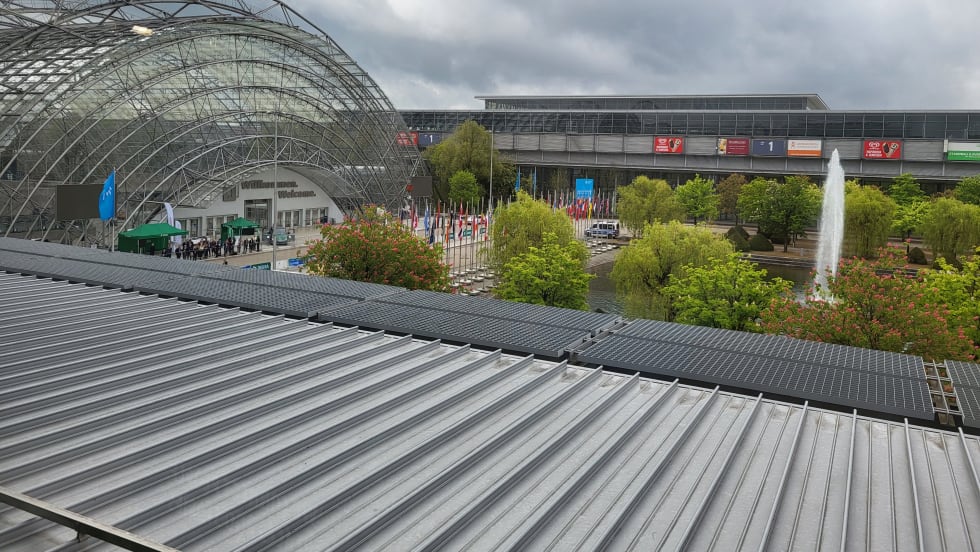
Inside ITF 2026: Transport Reacts to A Challenging World
Transport leaders from around the world gathered in Leipzig, Germany, for the 2026 International Transport Forum to discuss resilience, climate impacts, supply chains and the future of sustainable mobility.
Read More →
Every Ride Tells a Story — But You’re Not Just Selling the Ride
You’re selling the moment, the meaning, and the emotion behind it.
Read More →
How Digital Signage is Reshaping the Traveler Experience at Transportation Hubs
What was once a landscape of static signs has evolved into a responsive, immersive environment powered by real-time visual communication.
Read More →
Latest Trends in Urban Mobility from Polis Conference 2025
Polis comprises cities and regions, as well as corporate partners, from across Europe, promoting the development and implementation of sustainable mobility. This year’s event had over a thousand attendees across various policy forums and an exhibition.
Read More →
Why Transit Leaders Require Better Tools for Operational Clarity In Today’s Tech-Fragmented Environment
Across North America and beyond, transit agency officials are contending with a perfect storm of operational headaches and strategic challenges that hamper daily service and long-term progress.
Read More →
The Powerless Brokers: Why California Can’t Build Transit
It is no secret that transit in the U.S. is slow and expensive to build.
Read More →
Why Transport Sustainability Should Focus on People Instead of Cars
Simply incentivizing electrification is not enough to make a meaningful impact; we must shift our focus toward prioritizing public transportation and infrastructure.
Read More →