




RELATED: More From Scott Shepard
The Changing Urban Mobility is A Good Thing for Cities
An interview with METRO blogger Scott Shepard where discusses the state of transit in the U.S., trends, and more.
December 7, 2022
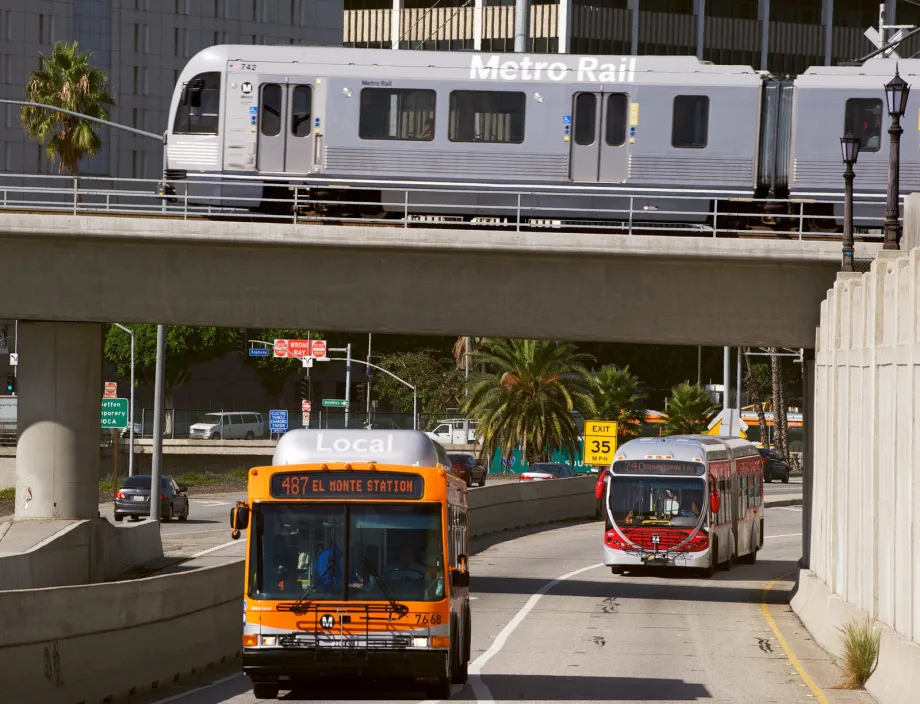
For agencies who are bouncing back quicker then expected, the priority should be in how they balance their transit networks and distribute riders across multiple lines.
Credit:
LA Metro
3 min to read
This interview with Scott Shepard and Luke Antonio was originally published in SmartCitiesWorld.
What are some of the overarching trends you’ve seen in transit emerging from the worst of the COVID-19 pandemic?
Scott Shepard: One of the most significant areas of focus for transit agencies now is passenger comfort — and to be more specific, the misalignment between agencies and passengers on what passenger comfort now needs to look like.
There are a few agencies in the U.S. that have higher ridership figures than they predicted they would at this stage of the pandemic recovery, but for those in that position, the priority should be in how they balance their transit networks and distribute riders across multiple lines.
For all transit agencies, including those in a better position than expected, the other area of focus has to be cost optimization and how to do more with less in terms of performance outcomes as they relate to operational expenditure. On the operational side, another part of this is the driver shortage and staffing cuts that have occurred as a result of the pandemic. How can transit agencies provide optimal quality services with fewer drivers and staff? That’s a question that Asistobe is working on answering at the moment.
Naturally, the question of on-demand transit services versus fixed route is still present. On-demand can be used to position feeder buses for fixed-route corridors or cover suburban areas with lower population density, but it always comes back to assessing the capital and cost expenditure, as well as any potential tradeoffs for existing fixed routes. It’s a question of find the right balance and not having one type of service cannibalize the other, and as it stands, I’m not sure that balance is right in North America. There’s a trend that’s somewhat troubling emerging where on-demand services are beginning to cannibalize fixed route, so there needs to be much more careful analysis in planning to enable transit agencies to strike the right balance and ensure they’re using everything in their mobility toolbox as effectively as possible.
What have these trends and shifts illustrated to you about the priorities for cities in the last few years?
I think it’s really been the opposite of what we saw circa 2017/2018, in terms of there being so many new and emerging technologies that were hitting the market without necessarily having a real problem to solve.
That script has completely flipped in the last two and half years due to COVID. We’re now seeing really pragmatic solutions being brought to market that fall in line with genuine business cases and their related challenges. It doesn’t mean that smart cities cease to exist — if anything, pragmatism makes them smarter. Bringing civic engagement and tactical urbanism to the fore has swung the pendulum to ensure that equity and inclusivity are much more significant parts of urban planning and planning urban services.
As part of that, MSPs and vendors have had to alter their approach to ensure that they’re putting cities and their citizens first. Using micromobility as the example again, when the market first took off, we saw companies essentially copying and pasting from the ride-hailing business model playbook. That worked for two or three years to get traction and a user base, which pleased the investors, but became obvious to cities and local authorities that it was unsustainable after the initial excitement.
From there, MSPs started taking a much more collaborative approach to rolling out their services, working with local authorities to get the balance and level of deployment right. It’s a much less adversarial market now as a result, albeit with bridges burned between some parties, but MSPs now know they cannot take that approach and they have to tailor what they’re doing to each bespoke city.
It’s changes like these that have helped technology providers and MSPs to prevail over the last couple of years, and it’s making cities and the services and experiences they can deliver better for it.
Subscribe to Our Newsletter
More Blog Posts
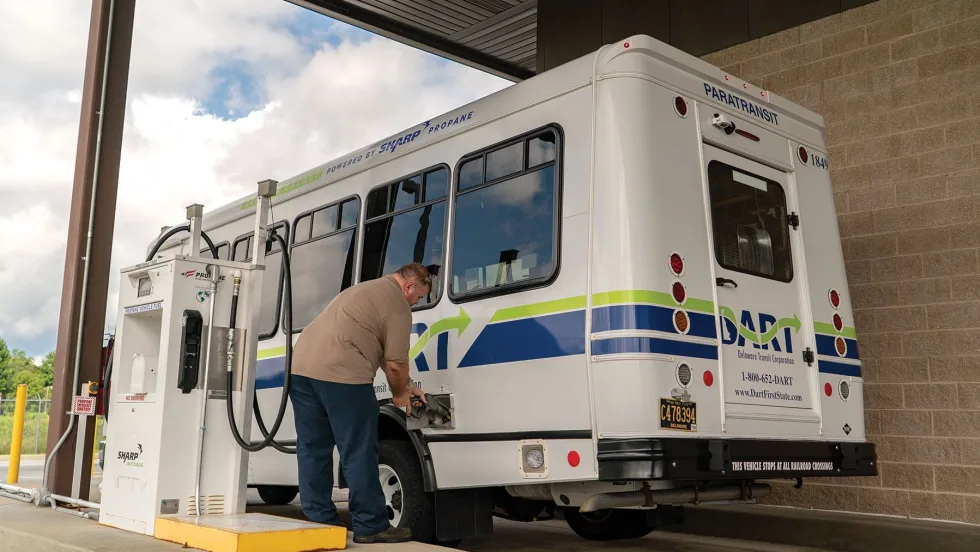
Building a Winning FTA Grant Proposal: Why Propane Autogas is the Pragmatic Choice for Fleet Resilience
With $610 million available through the FY 2026 Buses and Bus Facilities Competitive Program and the Low or No Emission Grant Program, agencies must build a compelling case before the September 21 deadline that balances environmental compliance with operational feasibility.
Read More →
Velo-city Conference 2026: Latest Trends in Cycling as Part of Urban Mobility
The global cycling conference highlighted how cities are integrating bicycles into multimodal transportation networks, expanding cycle tourism and reshaping urban mobility.
Read More →
Kindness Isn’t Soft...It’s Strategic.
Mike Bismeyer — often known as “The Kindness Guy” — has spent more than 17 years in public transit and mobility, serving in industry leadership roles, speaking across North America, and advocating for stronger workplace cultures. But his message doesn’t come from theory. It comes from lived experience.
Read More →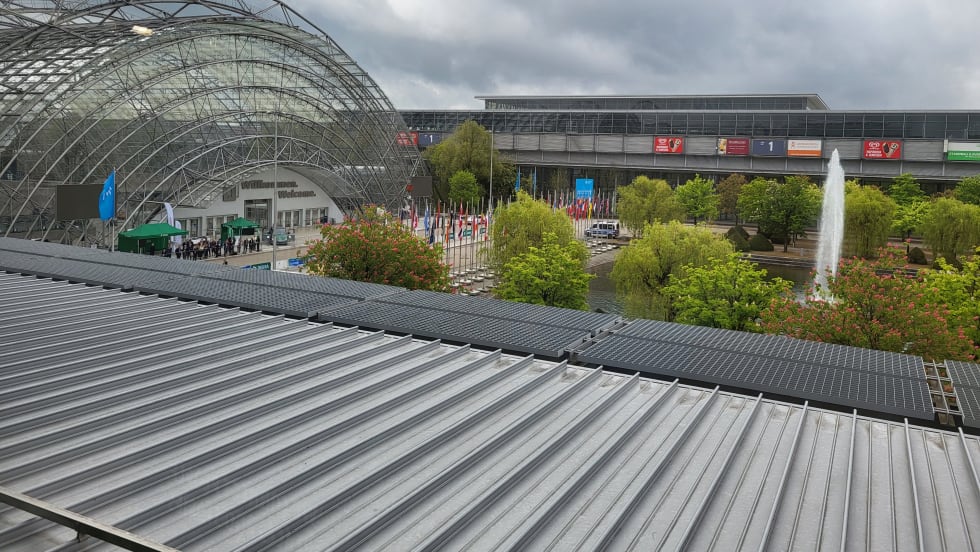
Inside ITF 2026: Transport Reacts to A Challenging World
Transport leaders from around the world gathered in Leipzig, Germany, for the 2026 International Transport Forum to discuss resilience, climate impacts, supply chains and the future of sustainable mobility.
Read More →
Every Ride Tells a Story — But You’re Not Just Selling the Ride
You’re selling the moment, the meaning, and the emotion behind it.
Read More →
How Digital Signage is Reshaping the Traveler Experience at Transportation Hubs
What was once a landscape of static signs has evolved into a responsive, immersive environment powered by real-time visual communication.
Read More →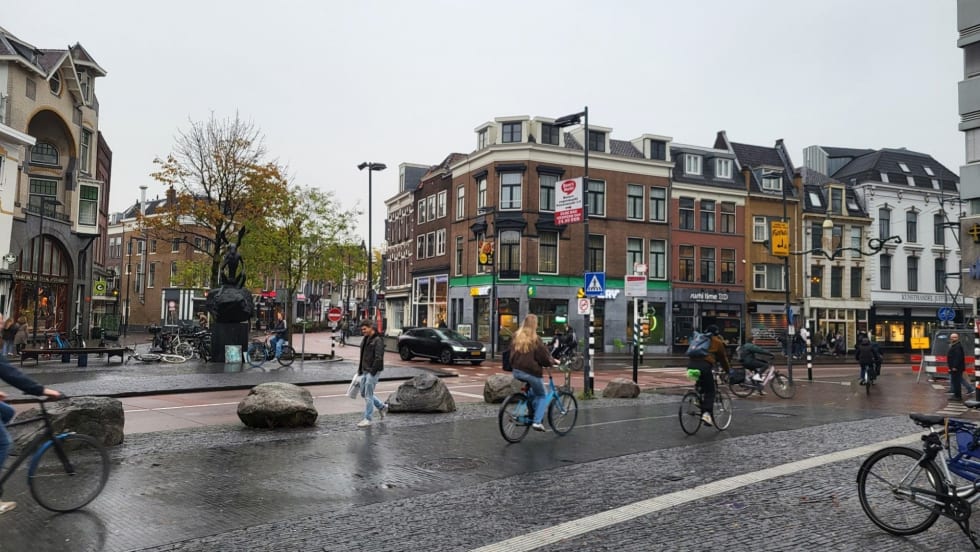
Latest Trends in Urban Mobility from Polis Conference 2025
Polis comprises cities and regions, as well as corporate partners, from across Europe, promoting the development and implementation of sustainable mobility. This year’s event had over a thousand attendees across various policy forums and an exhibition.
Read More →
Why Transit Leaders Require Better Tools for Operational Clarity In Today’s Tech-Fragmented Environment
Across North America and beyond, transit agency officials are contending with a perfect storm of operational headaches and strategic challenges that hamper daily service and long-term progress.
Read More →
The Powerless Brokers: Why California Can’t Build Transit
It is no secret that transit in the U.S. is slow and expensive to build.
Read More →
Why Transport Sustainability Should Focus on People Instead of Cars
Simply incentivizing electrification is not enough to make a meaningful impact; we must shift our focus toward prioritizing public transportation and infrastructure.
Read More →